10 Tips for Buying Kids Walkie Talkies?
Choosing the right Kids Walkie Talkies can make outdoor play safer, clearer, and more enjoyable. A good pair should match a child’s age, hand size, attention span, and usual play environment. However, colorful designs can hide weak microphones, confusing controls, or fragile battery covers.
This guide shares ten practical tips based on product specifications, hands-on comparisons, and common parent concerns. It examines communication range, sound quality, battery performance, durability, controls, and comfort. Range claims deserve careful attention. Walls, trees, hills, and nearby electronics can reduce performance sharply. A device advertised for several miles may work only a few blocks away in a neighborhood.
Small details matter. Can a child press the talk button while wearing gloves? Is the screen readable beside a sunny playground? Does the speaker remain understandable near a noisy backyard? These questions reveal more than packaging promises. Safety features also deserve attention, including volume limits, secure battery compartments, and simple channel settings.
Real use is rarely perfect. I once underestimated how quickly rechargeable batteries drained during a full afternoon outside. That mistake changed how I evaluate standby claims. Families should also consider charging time, replacement batteries, and storage between adventures. The best Kids Walkie Talkies are not always the most expensive models. They are reliable, simple, comfortable, and suitable for the child using them. A thoughtful purchase can prevent frustration and keep communication fun.
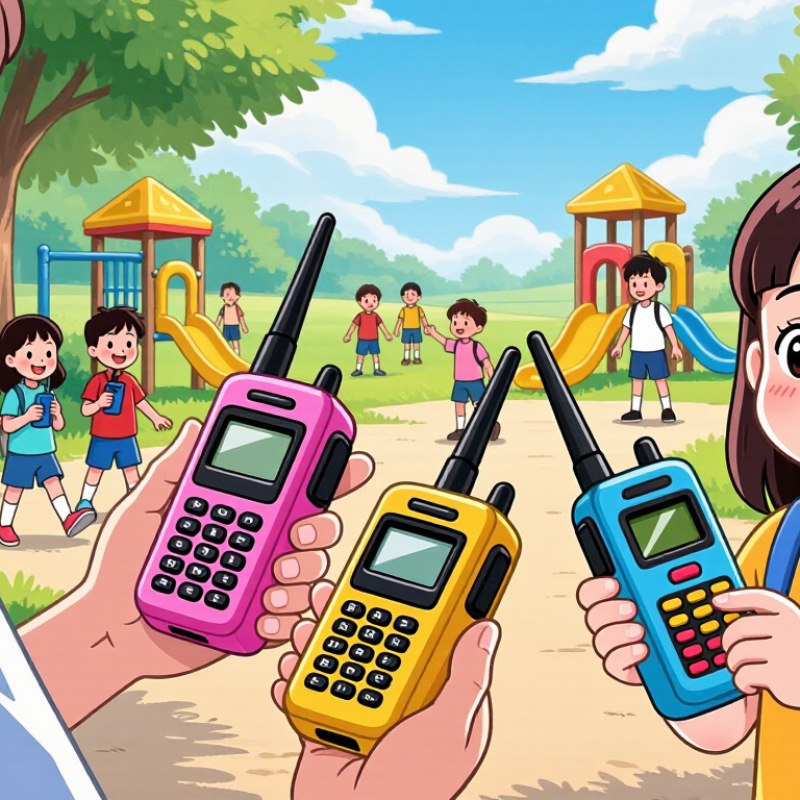
Define Your Child’s Needs and Intended Use
Before comparing features, define how your child will use the walkie talkie. A child playing in the backyard needs less range than one hiking with family. Age, reading ability, hand size, and attention span also matter. Younger children may need large buttons and simple controls. Older children might enjoy channel choices, but extra settings can create confusion. Think about real situations: communicating between rooms, staying connected at a campsite, or coordinating games with friends. Walls, trees, hills, and weather can reduce the advertised range. Treat range numbers as estimates, not promises.
Tip 1: Match the device to your child’s routine. A lightweight model suits small hands, while durable construction helps during outdoor play. Check whether the controls are easy to operate without adult help. Tip 2: Consider battery habits. Rechargeable batteries reduce waste, but replaceable batteries may help during long trips. A low-battery warning is useful. Very useful. Tip 3: Check communication needs before buying a multi-channel model. If siblings use the devices together, simple channel selection may be enough. Some families buy advanced features and rarely use them. I have found that simplicity often prevents frustration.
Review the instruction guide and confirm that the equipment follows local radio requirements. Avoid assuming every model works equally well in every country. Also check the volume range, since loud audio can disturb children’s hearing. Choose a device that encourages supervised communication, not unsupervised contact with strangers. My judgment can be imperfect here: children differ greatly, and a feature that helps one child may distract another. Watch how your child handles a borrowed unit for a few minutes before making the final choice.