2026 Best Cargo Electric Bikes for Global Buyers
The 2026 Best cargo electric bikes for Global Buyers guide examines practical transport, not showroom excitement. A cargo electric bike must carry children, groceries, tools, or parcels safely across changing streets and weather. It should also remain manageable when the battery is empty.
Mikael Colville-Andersen, an urban mobility expert, has said, “The bicycle is the most efficient machine ever created.” His observation becomes more meaningful when electric assistance meets real cargo demands. A strong motor helps on steep roads. A stable frame matters when a loaded front box turns slowly. Reliable brakes matter even more near crowded crossings.
This guide compares carrying capacity, motor response, battery range, charging time, weather protection, and repair access. It also considers frame height, wheel size, passenger restraints, lighting, and available accessories. These details often decide whether a bike works daily or stays unused beside the garage.
Global buyers face different roads, climates, service networks, and technical requirements. Therefore, no single model can be the best everywhere. A long-range battery may help in rural areas, while compact handling may matter more in dense cities. Some advertised ranges look impressive, but real payloads, hills, cold temperatures, and frequent stops reduce them.
We will question optimistic claims. We will also acknowledge an uncomfortable limitation: electric cargo bikes are not automatically affordable, effortless, or sustainable. Their value depends on maintenance, battery replacement, local support, and genuine daily use. The right choice is not the most powerful model. It is the one that fits your route, load, budget, and ability to keep it working.
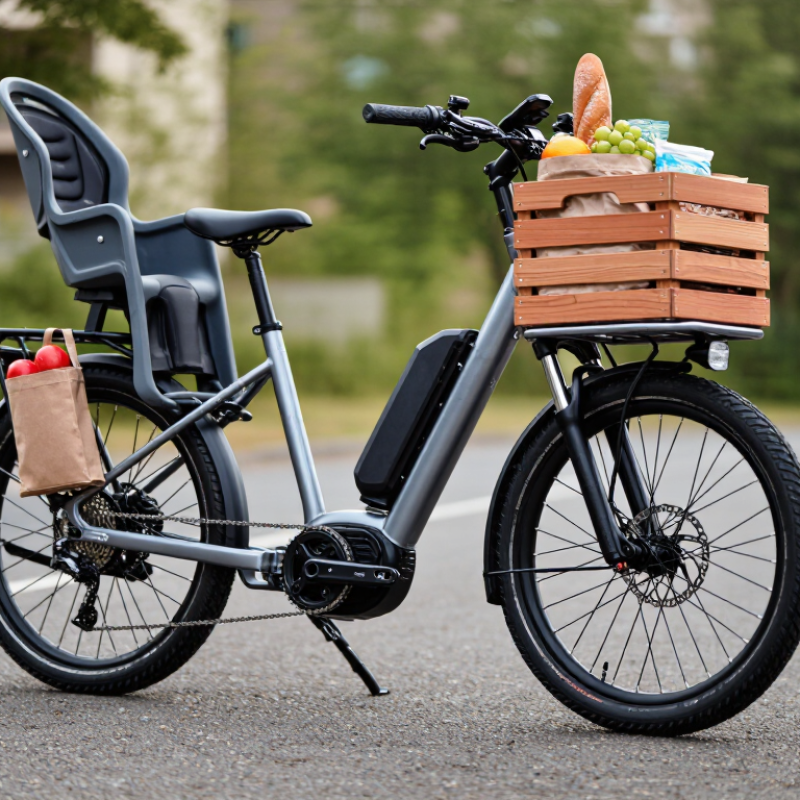
Global Cargo E-Bike Market: 2026 Demand and 20–30% Delivery Potential
2026 Best Cargo Electric Bikes for Global Buyers
Global cargo e-bike demand is moving beyond personal transport. In 2026, retailers, pharmacies, food operators, and local couriers may increase demand for compact delivery vehicles. A realistic opportunity is replacing 20–30% of suitable urban delivery trips with cargo e-bikes. This potential depends on route length, weather, road access, and charging availability. It does not represent the entire delivery market.
Practical testing matters more than catalogue claims. Buyers should inspect payload capacity, frame stability, battery safety, braking performance, and spare-part access. A 500-kilogram daily workload feels very different on flat streets than on steep roads. Smaller wheels can improve maneuverability, but they may reduce comfort on rough surfaces. Weather protection also matters. A wet driver loses time and concentration.
Tips: Map delivery routes before ordering. Measure doorways, lifts, storage areas, and charging points. Ask suppliers for verified test data and service procedures. Confirm local certification requirements with qualified authorities. Do not assume one battery supports a full working day; cold temperatures and heavy loads reduce range. The 20–30% delivery estimate is useful, but imperfect. Some cities may achieve more, while others may achieve far less. Pilot operations with a few vehicles first, then compare delivery time, maintenance cost, and rider feedback. Small errors become expensive when a fleet expands.