2026 Top Handlebar Electric Tricycle Types for Global Buyers?
For global buyers, 2026 brings more choices in utility, passenger, cargo, and mobility-focused electric tricycles. A Handlebar Electric Tricycle can serve farms, markets, campuses, delivery routes, and neighborhood transport. Its value depends on practical fit, not appearance alone. Frame strength, steering control, battery access, and braking performance deserve close attention.
This guide introduces the main Handlebar Electric Tricycle types available for international purchasing decisions. It considers rider capacity, cargo volume, motor output, battery range, wheel size, and weather protection. A compact model may suit narrow streets and small shops. A reinforced cargo model may perform better on uneven roads, but it can require more storage space and charging time. Passenger versions often need stable seating, strong footboards, and dependable lighting.
Real-world evaluation matters. A tricycle that feels stable on a showroom floor may behave differently on wet pavement or steep roads. Test reports, warranty terms, spare-parts access, and manufacturer communication can reveal important differences. Buyers should confirm voltage compatibility, charger specifications, battery chemistry, and local equipment requirements before ordering. These details are easy to overlook.
Some advertised range figures seem optimistic. Actual distance can change with rider weight, hills, temperature, tire pressure, and stop-and-go traffic. That limitation should remain visible. Reliable suppliers should provide measurable specifications, clear manuals, and traceable quality information. This overview helps buyers compare 2026 types with greater confidence, while recognizing that the best choice depends on operating conditions, budget, maintenance skills, and daily transport goals.
Defining Handlebar Electric Tricycles and Their Main Applications
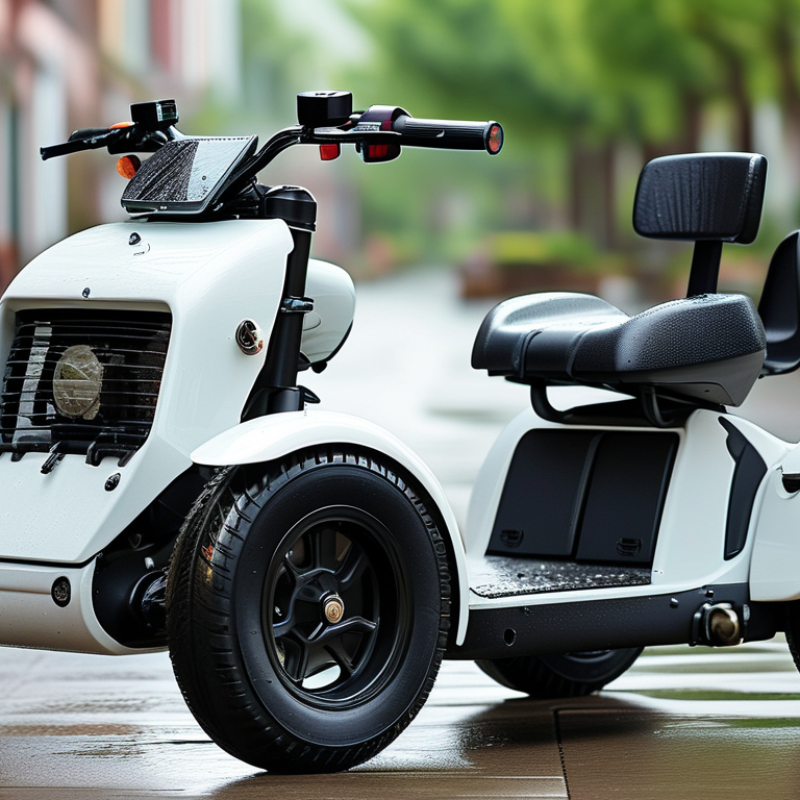
A handlebar electric tricycle is a three-wheeled vehicle steered with handlebars and powered by a rechargeable motor. Unlike a bicycle, it offers a wider stance and useful low-speed balance. Its frame may carry a front basket, rear cargo box, passenger seat, or accessible step-through platform. Most models combine pedal assistance with a battery, controller, brakes, lights, and a display. Actual stability still depends on wheel layout, load position, road surface, and rider skill. That detail is often underestimated.
In practical use, these tricycles serve local deliveries, market shopping, campus transport, farm errands, and assisted mobility. Cargo versions handle cartons, tools, or produce on short urban routes. Passenger versions can support family travel or community shuttle work, where permitted.
Mobility-focused designs favor a low step, comfortable saddle, mirrors, and predictable braking. Buyers should check payload, range under real loads, charging time, turning width, and replacement-part access. A quoted range may shrink in cold weather or on hills.
Tips: Test the tricycle with its intended load before purchase. Ride slowly through a tight turn, because some layouts feel different when leaning is impossible. Confirm local requirements for speed, lighting, helmets, parking, and road access. Ask for battery safety documents and clear warranty terms. More wheels do not guarantee effortless handling. New users may need a quiet practice area, especially when reversing or braking downhill. Specifications help, but hands-on testing reveals uncomfortable truths.