2026 Best Heavy Lift Drone Frames for Global Buyers?
Choosing the best Heavy Lift Drone Frame for 2026 requires more than comparing payload ratings. Buyers must examine structure, endurance, serviceability, and regional support. A frame carrying 20 kilograms may perform poorly in wind if its arms flex or its landing gear vibrates.
Drone Industry Insights reported continued growth in commercial drone adoption, driven by inspection, mapping, logistics, and public-safety applications. MarketsandMarkets also forecasts strong expansion in the commercial drone sector through 2028. However, these reports often measure complete aircraft, not frames alone. That difference matters. Forecasts can look precise while frame-level purchasing data remains limited.
Colin Snow, founder of Drone Analyst, has repeatedly emphasized a practical principle: “The drone is a tool, not the mission.” It is a useful warning for global buyers. A carbon-fiber frame with folding arms may suit rapid field deployment. A reinforced coaxial frame may better support heavy sensors, batteries, and redundant motors. The best choice depends on the mission, not marketing language.
Real-world testing should include loaded takeoff, repeated landings, motor vibration, battery heat, and transport damage. Inspectors should check arm joints after every trial. Small cracks can become expensive failures.
Weight figures also need careful reading. Some suppliers publish empty-frame capacity, while others include batteries, payload systems, and avionics. That inconsistency weakens direct comparisons. Buyers should request test conditions, material specifications, fatigue data, and replacement-part availability before ordering.
This 2026 guide compares leading Heavy Lift Drone Frame options for international users. It also questions exaggerated specifications, because reliable performance is built through evidence, not impressive numbers.
Heavy Lift Drone Frames: Definition, Structure, and Core Functions
2026 Best Heavy Lift Drone Frames for Global Buyers?
Heavy Lift Drone Frames: Definition, Structure, and Core Functions
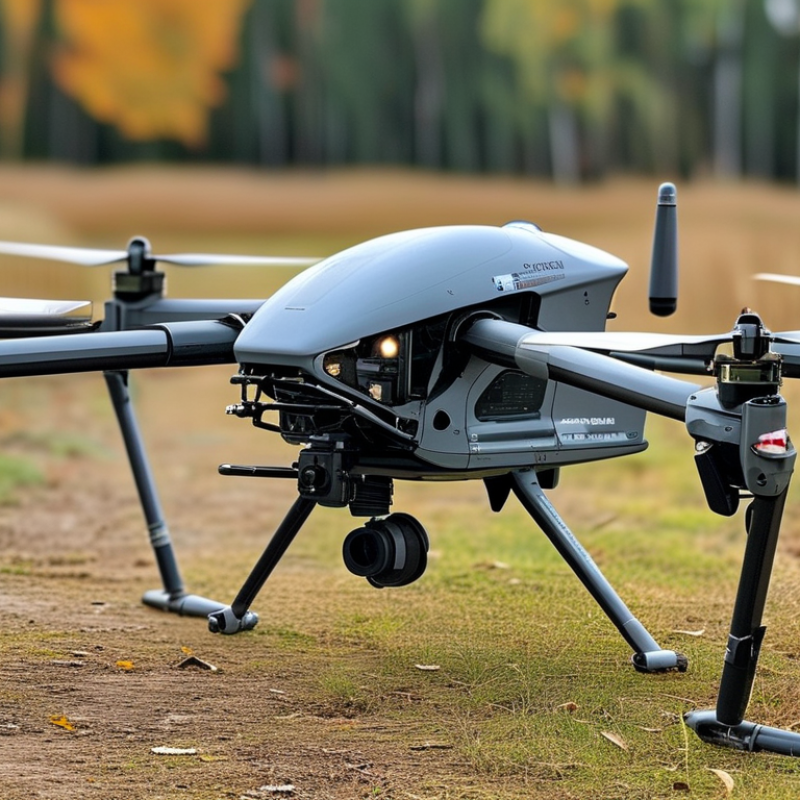
A heavy lift drone frame is the load-bearing skeleton of an unmanned aircraft. It connects the motors, arms, landing gear, battery system, controller, and payload. Unlike lightweight frames, it must resist bending, vibration, sudden acceleration, and repeated landings. The frame should carry weight without becoming unnecessarily heavy. That balance is difficult.
A practical structure usually includes a rigid center plate, reinforced arms, vibration isolators, and protected equipment bays. Motor mounts need accurate alignment because small errors can increase vibration. Landing gear should support the aircraft while leaving enough clearance for cameras, sensors, or delivery equipment. Useful frames also provide accessible wiring paths and replaceable arms. Serviceability matters.
During evaluation, buyers should inspect fastener access, material data, surface quality, and load-test records. A simple test can reveal arm flex under a controlled load. Not perfect, but informative. Frame strength alone does not guarantee safe operation. Propulsion compatibility, battery placement, thermal management, and flight-control settings also affect performance. Global buyers should confirm transport dimensions, spare-part availability, environmental ratings, and local operating requirements. Supplier documentation should clearly state tested limits, not optimistic estimates. Some advertised payload figures may exclude batteries, landing gear, or mounting hardware. That detail deserves careful questioning.