2026 Top Solar PV Battery Types for Global Buyers
Choosing the right Solar Pv Battery is becoming a practical challenge for global buyers in 2026. Solar systems now serve homes, farms, factories, islands, and remote telecommunications sites. Each application demands a different balance between safety, cost, cycle life, and power output.
Dr. Imre Gyuk, a recognized energy-storage specialist, has described storage as “a key enabler of the clean energy transition.” His point matters because solar generation changes with clouds, seasons, and local electricity demand. A battery can store midday power and release it after sunset. However, it cannot correct poor system design.
Lithium iron phosphate, or LFP, remains a leading choice for residential and commercial projects. It offers strong cycle life and avoids nickel and cobalt. NMC batteries can provide high energy density, but buyers must examine thermal management and operating conditions carefully. Lead-acid batteries still suit limited budgets and simple installations, although their shorter service life can raise replacement costs. Sodium-ion and flow batteries deserve attention in selected markets, but availability and supplier experience remain uneven.
Look beyond the chemistry.
A reliable comparison should include usable capacity, round-trip efficiency, warranty terms, degradation assumptions, inverter compatibility, and after-sales support. A battery rated at 10 kilowatt-hours may deliver less usable energy after reserve settings and conversion losses. Temperature also matters. A dusty, poorly ventilated enclosure can reduce performance faster than expected.
This guide compares the top Solar Pv Battery types for global buyers. It also recognizes an uncomfortable reality: the cheapest quotation is rarely the lowest lifetime cost. Market data changes quickly, and no single battery chemistry wins everywhere.
Solar PV Battery Basics and Their Role in Modern Energy Systems
A solar PV battery stores surplus electricity for later use. During sunny hours, panels may produce more power than a home or facility needs. The battery charges through an inverter, then discharges after sunset, during outages, or during expensive tariff periods. Its practical value depends on usable capacity, depth of discharge, round-trip efficiency, and response time. A 10 kWh battery does not always deliver 10 kWh to the load. Conversion losses and reserve settings reduce the available energy.
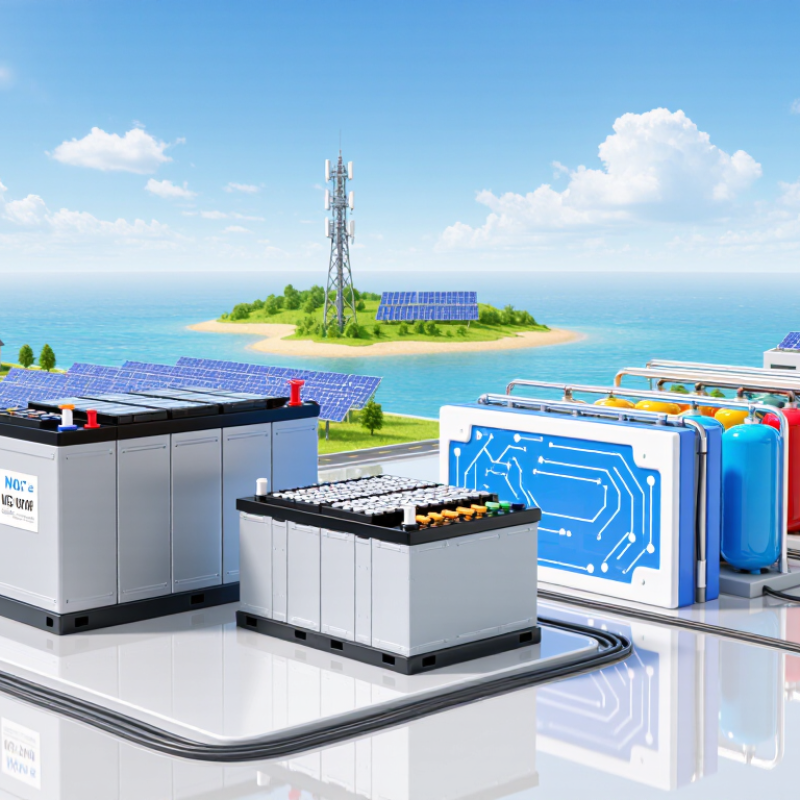
Lithium iron phosphate batteries are widely considered for daily cycling because they offer stable chemistry and long service life. Lithium nickel manganese cobalt batteries can provide high energy density, but thermal management demands closer attention. Lead-acid systems remain relevant where upfront cost matters, although their usable capacity and cycle life are often lower. Flow batteries suit some larger installations needing long discharge periods and flexible scaling. No chemistry wins everywhere. Context matters.
From project evaluations, I would check the battery management system, operating temperature range, warranty conditions, and replacement pathway. A shaded, ventilated room can protect performance in hot climates. Cold weather can slow charging and requires suitable control settings. Buyers should compare delivered energy, not only advertised capacity. Grid rules, fire protection, installer competence, and recycling arrangements also influence the real project outcome. Even careful forecasts can miss seasonal demand. That uncertainty deserves a margin.