


2026 Top Port Logistics Providers for Global Buyers
Ports are where global supply chains meet the real world: vessel schedules, cranes, customs documents, and trucks must align. The UN Trade and Development’s Review of Maritime Transport 2024 reports that maritime transport carries over 80% of world trade by volume. That scale makes port logistics a practical concern for buyers, not just a shipping-industry term. A delayed container can disrupt production, miss a retail window, or leave inventory waiting inland.
Choosing a provider takes more than comparing quoted rates. Buyers should examine port coverage, carrier relationships, cargo visibility, inland connections, and how clearly exceptions are handled. The World Bank and S&P Global Market Intelligence’s 2023 Container Port Performance Index assesses 405 container ports, offering a useful view of operational efficiency. But an index cannot tell a buyer everything about communication, pricing transparency, or support during a disruption. Those details matter.
This guide introduces leading port logistics providers for global buyers in 2026, with attention to their capabilities and fit for different shipping needs. Compare service scope, track-record evidence, and reporting practices against your own routes and cargo volumes. Ask for specifics. A polished dashboard is not the same as a dependable handoff at the terminal. Rankings can help narrow a shortlist, but no provider is best for every buyer. That judgment deserves a second look.
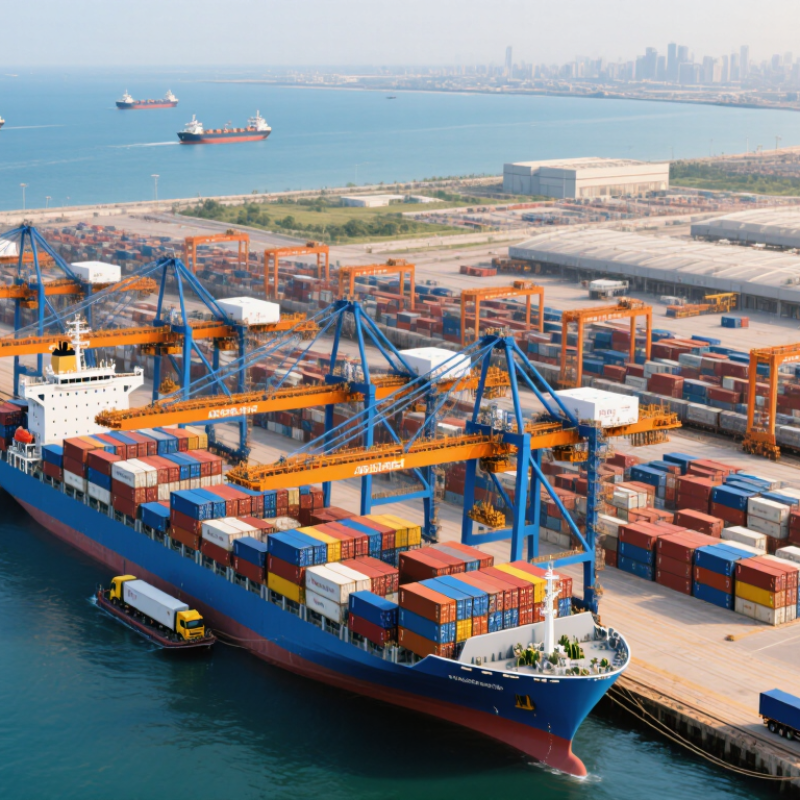
Port Logistics Providers: Roles and Core Functions
Port logistics providers connect ships, terminals, warehouses, and inland transport. Their work starts before a vessel arrives. Teams review cargo details, estimate handling needs, and coordinate berth, labor, and equipment plans. A delayed arrival can shift several schedules, so clear updates matter. Small timing errors add up.
At the terminal, providers arrange container moves, yard storage, inspections, and loading or discharge. They may also coordinate customs documentation, trucking appointments, and rail transfers, while clients remain responsible for accurate shipment information. For example, a refrigerated container needs a powered slot and temperature checks, not just space on the quay. Port teams track these details through operating systems and direct communication, though system records can lag behind events on the ground. That gap deserves attention.
For global buyers, useful measures include cargo dwell time, handling accuracy, schedule reliability, and the speed of exception updates. A capable provider explains delays with timestamps and practical options, rather than offering vague assurances. Coverage and service quality can vary by port, season, and cargo type, so one provider may not suit every route. Even careful planning cannot remove every bottleneck.
