2026 Top Railway Freight Companies for Global Buyers
Global buyers are rethinking freight networks as fuel costs, port congestion, and climate targets reshape procurement decisions. Railway Freight offers dependable long-distance capacity, especially across inland corridors linking factories, ports, and distribution hubs. The International Energy Agency reports that rail carries about 7% of global freight activity while producing a far smaller share of transport emissions. That contrast matters.
The World Bank’s Logistics Performance Index 2023 also shows that reliability, tracking, and border efficiency strongly influence supply-chain performance. These factors guide our 2026 selection. The leading railway freight companies are assessed through corridor coverage, wagon availability, intermodal services, digital visibility, delivery consistency, and sustainability reporting. Real operating experience matters. A perfectly designed route can still fail when terminals lack cranes or schedules change without warning.
“Rail is the backbone of sustainable mobility,” says François Davenne, Director General of the International Union of Railways. His statement reflects rail’s strategic value, but it should not become an assumption. Railway Freight is not automatically faster or cheaper. Weather, gauge differences, terminal capacity, and border procedures can alter the final result.
This guide compares major providers for global buyers seeking practical, compliant, and scalable solutions in 2026. It considers published UIC data, World Bank logistics indicators, company disclosures, and corridor-level performance evidence. Some rankings remain imperfect. Public data is uneven. Buyers should verify current schedules, insurance terms, equipment standards, and service commitments before signing contracts. Reliability begins with details.
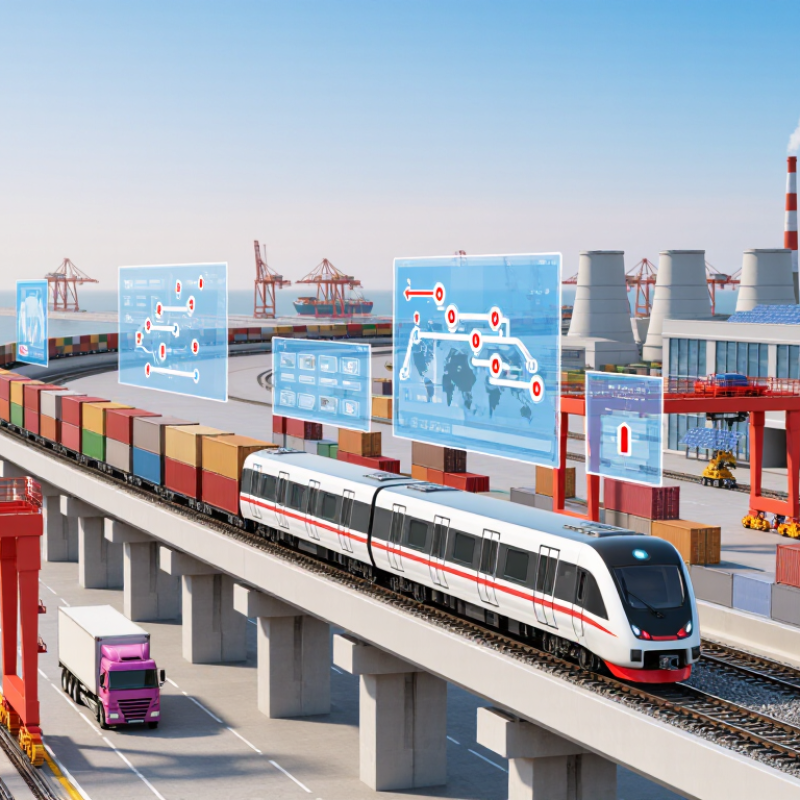
Global Railway Freight Market: Scope, Routes, and Buyer Priorities
2026 Top Railway Freight Companies for Global Buyers
Global Railway Freight Market: Scope, Routes, and Buyer Priorities
Railway freight now connects inland production zones with seaports, border terminals, and regional distribution hubs. Its strongest value appears on medium and long-distance routes, where road transport can become costly or inconsistent. Common movements include machinery, consumer goods, automotive parts, and temperature-sensitive products. A 40-foot container may cross several borders, so schedules depend on terminals, customs procedures, gauge changes, and local rail capacity.
From practical shipment reviews, buyers usually examine transit time, departure frequency, container availability, and damage-control procedures. A low quoted rate can hide storage fees or extra handling at a border terminal. Ask for a route map. Request recent performance data. Buyers should also check cargo insurance, tracking quality, documentation support, and contingency plans for weather or congestion. Legal compliance remains essential at every crossing, including accurate product descriptions and complete customs records.
Route selection needs more than a published timetable. A direct service may be faster, yet a multi-terminal route can offer better equipment availability. This is easy to miss. I have seen planning decisions change after one terminal introduced a two-day inspection delay. Buyers should compare total landed logistics cost, not only the rail charge. They should also test a small shipment before committing regular volumes. Even reliable corridors experience weak weeks, and that uncertainty deserves a clear place in the purchasing plan.