7 Tips for Choosing Hand Controls for Cars?
Choosing hand controls for cars is not a simple matter of picking a lever from a catalog. The right system must match your strength, mobility, vehicle layout, driving habits, and future needs. A control that feels smooth during a five-minute demonstration may become tiring after an hour in traffic.
Ralph Braun, founder of BraunAbility and a pioneer in vehicle accessibility, captured the purpose of adaptive mobility with a simple statement: “I just wanted to drive.” That goal still matters. Hand controls for cars should support independence without creating new risks. This guide examines seven practical considerations, including control type, mounting position, braking effort, steering assistance, installation quality, driver evaluation, and regular maintenance. Certified mobility dealers and driver rehabilitation specialists can identify details that online descriptions often miss. Seat distance matters. Knee clearance matters. Even the texture of a grip can affect confidence during rain or heavy traffic.
No checklist catches everything. A promising control may feel awkward in your own vehicle. Some drivers may also underestimate fatigue, especially when the accelerator requires continuous pressure. That is an easy mistake to make. A careful trial, professional fitting, and honest feedback can prevent costly changes later. The safest choice is not always the most advanced option. It is the one you can operate consistently, comfortably, and without distraction. This introduction provides a practical foundation for comparing systems with greater confidence and clearer expectations.
Assess Your Driving Needs and Physical Requirements
Choosing hand controls starts with your body, not the vehicle.
The World Health Organization estimates that 1.3 billion people live with significant disability worldwide. That figure reminds us that mobility needs vary widely. Can you grip a control firmly for thirty minutes? Can your shoulder repeat a pushing motion without pain? Measure these details honestly. Weak grip, limited knee movement, tremors, or slower foot response may require different control layouts.
The 2022 American Community Survey estimated that about 42.5 million Americans had a disability. Yet statistics cannot select equipment for one driver. A driver rehabilitation specialist or occupational therapist can assess strength, range of motion, reaction time, and transfer ability.
Ask for a practical evaluation in traffic, not only a quiet parking lot. Check whether the control position blocks your wheelchair transfer or makes mirror adjustment difficult. Small problems become tiring on longer trips.
A push-pull control may suit drivers with limited leg use, while a different arrangement may better match reduced hand strength. Test acceleration and braking repeatedly. Your palm should stay supported, and the movement should feel predictable.
The first setup may feel awkward. That matters. Do not dismiss discomfort as poor technique. It may signal an unsuitable position, excessive resistance, or a need for adjustment. NHTSA guidance on adaptive equipment emphasizes professional installation and driver training, but real-world confidence still develops gradually. Allow extra practice time, and reassess after several drives.
Compare Hand Control Types and Operating Methods
7 Tips for Choosing Hand Controls for Cars
Choosing hand controls starts with movement, not appearance. WHO’s 2022 Global Report on Health Equity for Persons with Disabilities estimates that 1.3 billion people live with significant disabilities. Their needs vary widely. Compare push-pull, push-rock, trigger, and electronic systems. A push-pull lever may suit drivers with steady arm strength. A push-rock design can reduce repeated wrist movement. Electronic controls often require less force, but they depend on sensors, wiring, and battery power. More technology is not always better.
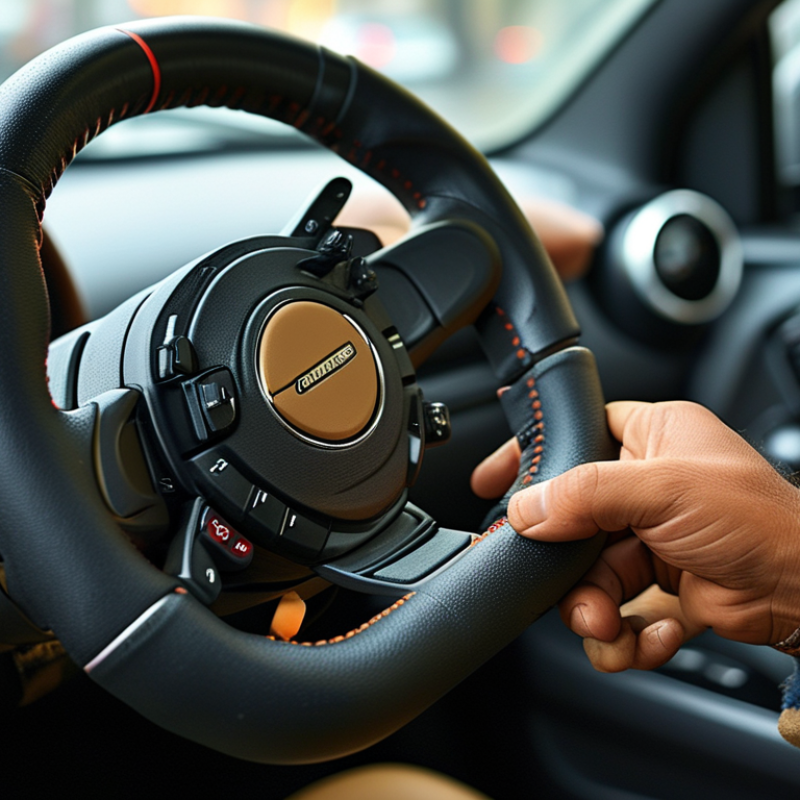
Test the operating method inside the actual vehicle. Check whether braking feels natural with your palm, fingers, or forearm. Confirm the accelerator direction before driving. Some systems use forward pressure; others use a lever or trigger. Mounting position matters too. The control should sit near the steering wheel without blocking gauges, airbags, or knee space. NHTSA’s Driver Fitness Medical Guidelines emphasize qualified assessment, installation, and training. Do not skip the road test.
NHTSA’s Traffic Safety Facts 2022 recorded 42,514 U.S. traffic deaths. That number makes predictable control response essential. Ask about mechanical backup, return-to-neutral action, and adjustment range. A qualified mobility technician should inspect cable tension, fasteners, and pedal clearance.
A short test may expose shoulder fatigue after ten minutes. That matters. I would not choose a control only because it feels smooth in a showroom. Rain, gloves, tight turns, and sudden braking can change the experience. Recheck the setup after real-world practice, because the first choice may be imperfect.
Check Vehicle Compatibility and Installation Requirements
Choosing hand controls starts with the vehicle, not the accessory. Check the car’s make, model year, transmission, pedal spacing, steering-column shape, and available legroom. Electronic throttle systems may require different solutions than mechanical linkages. Some vehicles also have limited space beneath the dashboard. That can affect knee clearance and emergency access.
NHTSA’s Traffic Safety Facts 2022 recorded 42,514 U.S. roadway deaths. Fit and installation deserve serious attention. A qualified mobility-equipment installer should inspect the brake pedal, accelerator position, wiring, airbags, and steering components. Ask for written confirmation that the installation follows applicable vehicle and equipment requirements. Local inspection rules may also apply. A clean-looking installation is not automatically a safe one.
Request a hands-on compatibility assessment before buying. Sit in the driver’s seat with your normal shoes. Can you reach the control without twisting your wrist? Does the lever move smoothly? Can another driver use the original pedals safely, if permitted? The World Health Organization reported about 1.19 million road deaths globally each year in its Global Status Report on Road Safety 2023. Small control errors can carry serious consequences. A short test drive should include parking, braking, reversing, and repeated stops. The first adjustment may feel awkward. That is useful feedback, not failure. Recheck fasteners and control travel after installation, because comfort alone cannot prove reliable operation.
Prioritize Safety, Comfort, Adjustability, and Ease of Use
7 Tips for Choosing Hand Controls for Cars
Safety should guide every decision when choosing hand controls. Select a system that supports smooth braking and acceleration without delaying your response. A qualified mobility specialist should assess your strength, reach, coordination, and driving position. Professional installation matters because loose hardware can affect control during sudden stops. Ask whether the controls allow normal steering without blocking airbags, switches, or leg movement.
Comfort is equally important during longer journeys. The handle should fit your palm without creating pressure points. Check the grip, resistance, and operating angle while seated naturally. Adjustability helps different drivers share one vehicle. Look for settings that change easily but stay firmly locked during use. Test the controls with gloves, if you regularly drive in cold weather. Small details matter.
Ease of use can prevent fatigue and hesitation. Practice gentle starts, controlled braking, parking, and emergency stops in a quiet area. I have found that a control may feel intuitive during a short test, then become tiring after thirty minutes. That possibility deserves attention. Ask an instructor to observe your hand position and reaction time. Recheck the setup after installation, especially if your seat position changes. The best choice is not always the most advanced one. It is the system you can operate consistently, comfortably, and safely.
7 Tips for Choosing Hand Controls for Cars
This practical checklist gives the greatest priority to safety and vehicle compatibility, followed by comfort, adjustability, and ease of use. Always confirm that the equipment does not interfere with airbags, seat belts, pedals, steering, or other original vehicle controls, and seek a qualified assessment before installation.