


10 Best Carburetor Cleaners for Global Buyers
Carburetor Cleaner remains a practical maintenance product for workshops, farmers, motorcycle owners, and classic-car enthusiasts worldwide. Deposits can appear as dark varnish around throttle plates, sticky residue inside float bowls, or a rough idle after seasonal storage. Buyers need more than a powerful spray. They need verified material compatibility, clear safety instructions, consistent pressure, and reliable cleaning performance.
Industry data supports careful product selection. Grand View Research’s automotive aftermarket analysis identifies maintenance chemicals as an established replacement category. Fortune Business Insights also reports continued growth in global automotive aftermarket spending, supported by longer vehicle ownership and repair activity. These reports do not measure Carburetor Cleaner alone. That limitation matters. Market figures are often broader than the product itself.
Automotive writer and ASE-certified technician Larry Carley offers a useful maintenance warning: “The right cleaner must remove deposits without damaging sensitive components.” His point reflects workshop experience. Rubber seals, plastic linkages, painted surfaces, and oxygen sensors may react differently to strong solvents. One spray cannot fit every engine.
This guide compares ten products for global buyers. It examines cleaning strength, nozzle control, residue, evaporation, packaging, documentation, and regional availability. Safety Data Sheets receive special attention. So do user reviews, although reviews can be inconsistent and difficult to verify. Some products promise dramatic results. Real performance may depend on deposit age, temperature, and application technique. Buyers should test cautiously, ventilate the work area, and follow local chemical-handling requirements. Reliability begins with realistic expectations.
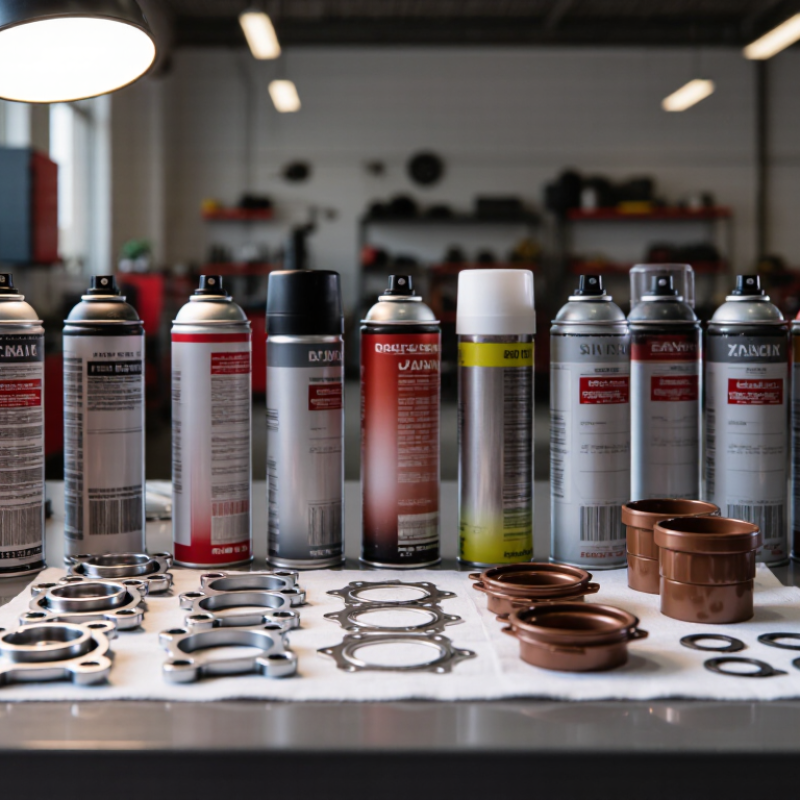
What Carburetor Cleaners Do and Why Global Buyers Need Them
Carburetor cleaners remove varnish, fuel residue, carbon deposits, and fine dust from carburetor passages. These deposits can restrict fuel flow and cause hard starting, rough idling, or uneven acceleration. Effective formulas loosen contamination quickly, helping restore airflow and fuel delivery without replacing a serviceable component.
Global buyers need more than cleaning power. They must check compatibility with aluminum, rubber seals, plastic parts, and painted surfaces. Local fuel quality, storage conditions, and climate can change residue buildup. Humid regions may also increase corrosion risks. Always review the safety data sheet, ventilation requirements, transport rules, and language on the label before purchasing.
Small details matter.
A suitable cleaner should provide controlled spray, clear instructions, and consistent performance across routine maintenance tasks. Aerosol pressure, nozzle design, and drying speed affect practical results. However, cleaner cannot repair worn jets, damaged gaskets, or incorrect adjustments. This is where many buyers expect too much. A careful inspection should follow every cleaning job. Test the engine only after the solvent has fully evaporated, and keep ignition sources away during use. Product claims deserve verification through technical documents, user feedback, and supplier support. The cheapest option may create extra work if it attacks sensitive materials or leaves residue.
