What Are the Best Cosmetic Squeeze Tubes in 2026?
Choosing the best Cosmetic Squeeze Tubes in 2026 means balancing product protection, easy dispensing, appearance, and practical cost. A tube that looks polished on a shelf may still leak in a travel bag or leave thick cream trapped near the seal. Small details matter: cap fit, opening size, wall flexibility, and how the tube behaves when nearly empty.
This guide compares common tube materials, closures, and formats, while explaining what to check before choosing packaging for a specific formula. Compatibility should be confirmed with supplier guidance and product testing; a material that works well for one lotion may not suit another formulation. There is no perfect tube. Recyclability, barrier performance, decoration options, and price can involve trade-offs, and marketing claims deserve a closer look. A sample run can reveal issues that a specification sheet misses, such as uneven flow or a cap that is difficult to open with wet hands. Those checks are not glamorous. They are useful. The goal is not to name one universal winner, but to help brands and buyers judge options using clear criteria and evidence. Where performance depends on the formula, storage conditions, or filling process, this article will say so rather than imply certainty.
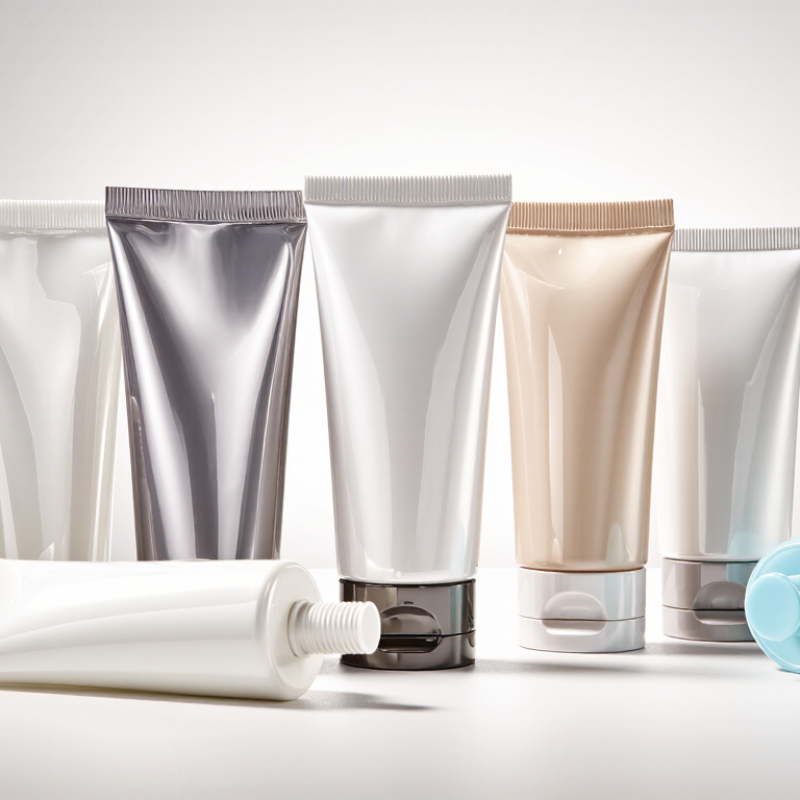
What Cosmetic Squeeze Tubes Are and How They Work
What Are the Best Cosmetic Squeeze Tubes in 2026?
What Cosmetic Squeeze Tubes Are and How They Work
Cosmetic squeeze tubes are flexible containers that hold products such as creams, cleansers, and gels. A typical tube has a body, a shoulder, an opening, and a closure. When you press the body, pressure pushes the product through the opening. Release your grip, and the tube generally stays partly collapsed, limiting how much air returns inside. It is simple, but not every tube dispenses equally well.
The tube’s material and opening size affect how it feels in use. A thick balm may need a wider orifice than a light lotion. A narrow nozzle can help control small doses, but it may frustrate people using dense formulas. Small detail, big difference. Some tubes use multiple material layers to improve protection from light, oxygen, or moisture; suitability depends on the formula and construction. The cap also matters: a flip-top can be convenient with one hand, while a screw cap may close more securely. In practical product development, teams should test the actual formula in the selected tube, checking dispensing, leakage, and changes in texture or scent over time. A tube that looks sturdy on a sample table can behave differently after repeated squeezing. That part is easy to underestimate.
What Are the Best Cosmetic Squeeze Tubes in 2026? - What Cosmetic Squeeze Tubes Are and How They Work
Cosmetic squeeze tubes are flexible packages that dispense product when the user presses the tube wall. The best construction depends on the formula, required protection, dispensing needs, and local recycling options.
| Tube construction | How it works | Barrier characteristics | Typical cosmetic fit | Key advantages | Trade-offs and end-of-life considerations |
|---|---|---|---|---|---|
| Monolayer polyethylene (PE) | A flexible PE tube collapses as it is squeezed, pushing product through the shoulder and nozzle. A cap or other closure seals the opening between uses. | Provides basic containment, but generally offers less protection from oxygen and some volatile ingredients than barrier-layer structures. | Suitable for many lotions, creams, gels, and cleansers when the formula does not require a high barrier. | Simple construction, good flexibility, and potential compatibility with PE recycling streams where accepted. | Recycling depends on local collection and sorting systems, as well as the cap, label, decoration, and overall package design. Not a fit for every sensitive formula. |
| Co-extruded PE with a barrier layer | Multiple polymer layers are formed together. A thin barrier layer, often EVOH, is enclosed by PE layers that make up much of the tube structure. | Can reduce oxygen transmission compared with a basic PE tube; actual performance depends on layer design, thickness, and the complete package. | Useful for formulas that need more protection from oxygen, including some active or oxidation-sensitive products. | Combines a flexible PE-rich structure with improved barrier performance for suitable formulations. | Barrier layers and package components can complicate recycling. Recyclability should be checked against local requirements and the specific tube design. |
| Plastic barrier laminate (PBL) | A flexible laminated web is formed into a tube and sealed along a longitudinal seam. The laminate layers provide structure and product protection. | Barrier performance varies by laminate construction; plastic barrier layers can limit oxygen or aroma transfer. | Often considered for creams, gels, and other products needing more protection than a basic single-layer tube provides. | Can support printed decoration and a range of barrier specifications without an aluminum layer. | Multiple bonded materials may be difficult to separate in conventional recycling systems. Check the exact laminate and local acceptance rules. |
| Aluminum barrier laminate (ABL) | A thin aluminum foil layer is bonded between polymer layers in the tube wall. The tube deforms as product is squeezed out. | The foil layer provides a strong barrier to light, oxygen, and moisture when the tube and its seals are properly designed. | Considered for products that need substantial protection from light or air, subject to formula compatibility testing. | Offers strong barrier protection in a squeezable format. | The bonded foil-and-plastic structure is generally not compatible with standard single-material plastic recycling. Verify disposal options locally. |
| PE tube containing post-consumer recycled (PCR) PE | Recycled PE is incorporated into some or all of the PE layers. The tube still dispenses through wall pressure and a nozzle or orifice. | Barrier performance depends on the full layer structure; PCR content by itself does not establish a specific barrier level. | May suit compatible products where recycled content is a packaging objective and the tube meets appearance and performance requirements. | Can reduce reliance on virgin PE, depending on the amount and source of recycled material used. | Color, odor, consistency, and processing properties can vary with recycled feedstock. Confirm quality, formula compatibility, and local recyclability for the finished package. |
How to choose: Match the tube’s barrier level to the formula’s stability needs, then assess compatibility, dispensing, closure, decoration, and local recycling guidance. Performance and recyclability vary by supplier specification and finished-package design.