What Are the Best Electric Cargo Bikes from China?
Choosing the best electric cargo bike from China requires more than comparing prices and motor ratings. China has a broad manufacturing base, from established bicycle exporters to smaller factories serving regional markets. This variety creates useful options, but it also makes careful evaluation essential. A polished product photo proves very little.
This guide examines electric cargo bikes through practical details that affect daily use. We will consider frame strength, battery capacity, motor performance, braking systems, weather protection, and replacement parts. A bike carrying children, groceries, or delivery boxes needs different support from a compact urban model. Payload claims should be checked against frame design, wheel size, suspension, and braking performance.
Real use matters.
A 500-watt motor may feel strong on flat streets, yet hills, heavy loads, and frequent stops can change that experience. Battery range also depends on rider weight, temperature, tire pressure, and riding assistance. These details are easy to overlook. They should not be.
The discussion will also address manufacturer communication, warranty terms, certification records, assembly quality, and after-sales support. Reliable suppliers should provide clear specifications and consistent documentation. Independent testing or a careful inspection remains valuable, especially when importing directly. Not every low-cost model is a poor choice, and not every premium model deserves trust. That is where judgment becomes important.
By comparing real-world capability with published claims, readers can identify which electric cargo bike models suit family transport, business deliveries, or mixed city riding. Some conclusions may remain imperfect, because local service networks and regulations vary. A careful buyer should verify the final details before purchase.
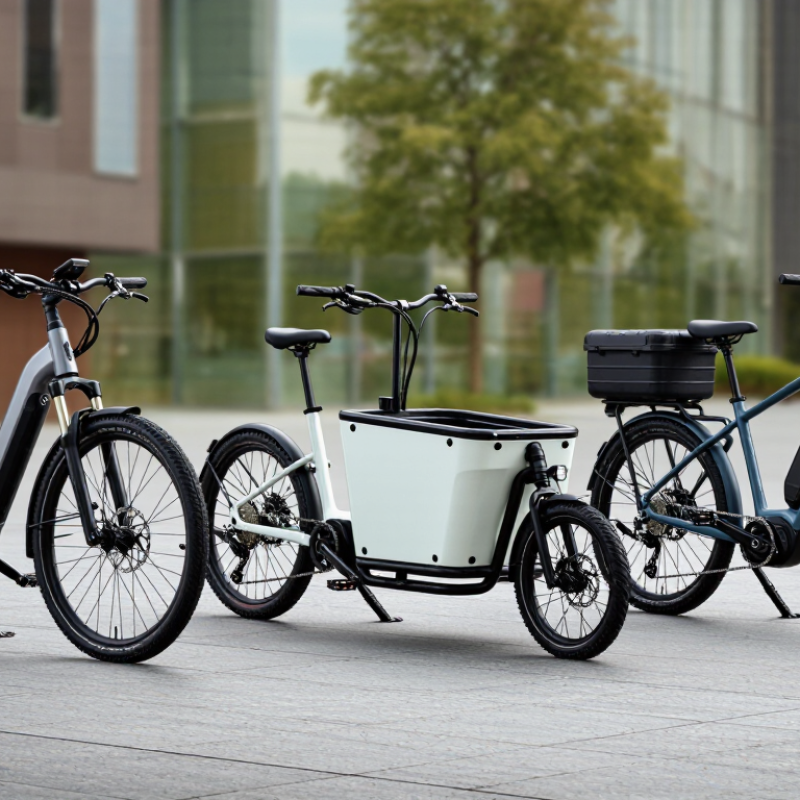
Define “Best” by EN 15194, UL 2849, and 250 W/25 km/h Limits
“Best” should mean verified fit for your market, not simply a large battery or a heavy-duty frame. For many European riders, check whether the electric cargo bike is assessed to EN 15194 and whether its continuous rated motor power is 250 W or less. Assistance should cut off at 25 km/h. These figures describe a common EPAC category; they do not prove that every bike is compliant or suitable for every use.
For electrical safety, look for clear documentation showing what UL 2849 covers. It evaluates an e-bike’s electrical system, including components such as the battery, charger, and wiring. Ask for test records tied to the exact configuration you are buying. A certificate for a similar model is not the same thing. Check the charger label, battery casing, and frame identification, too. Paperwork can be dull. It matters when a bike carries children or heavy groceries.
Tips: Ask the seller for the relevant certificates and rated-power details before paying. Test the loaded bike on a short hill, and check that the brakes feel controlled. Standards are a useful filter, not a substitute for inspection. I would still look closely at cable routing and welds; small details are easy to overlook.