Best Explosion Proof Forklift Manufacturer in China?
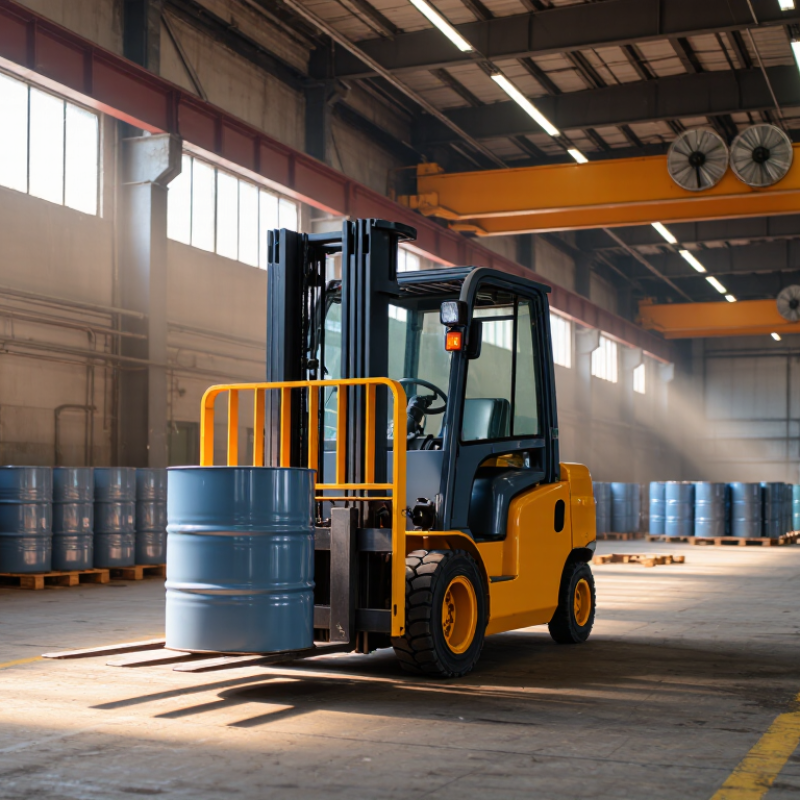
Choosing the best explosion-proof forklift manufacturer in China takes more than comparing prices or polished product photos. An Explosion Proof Forklift is built for defined hazardous work areas, where ignition risks must be carefully controlled. The label alone proves little; protection depends on the truck’s exact configuration and the environment it is intended to serve. Picture a forklift carrying a steel drum through a dusty production bay: safe selection starts with site conditions, not slogans. Small details matter.
This guide examines how to compare Chinese manufacturers through verifiable product documents, engineering capability, and after-sales support. Check whether testing and certificates cover the exact model, attachments, power system, and intended operating conditions—not merely a product family. Ask how the supplier addresses rated load, braking, electrical enclosures, maintenance access, and replacement-part availability. Clear answers should be supported by records, not sales assurances. Requirements vary by site and market, so qualified technical review is essential.
No single factory is automatically the best for every warehouse, chemical process, or dusty workshop. A dependable comparison weighs intended use, documented protection, build quality, lead times, and service response. Some specifications may look impressive yet remain difficult to verify; that is a reason to pause and ask better questions. The sections ahead offer a practical way to assess manufacturers, spot gaps, and shortlist suppliers with evidence.
What Is an Explosion-Proof Forklift?
What Is an Explosion-Proof Forklift?
An explosion-proof forklift is built for workplaces where flammable gases, vapors, or combustible dust may ignite. Its electrical and mechanical components are designed to reduce ignition risks. Depending on its certification, protection may include sealed enclosures, controlled surface temperatures, and measures that prevent sparks from reaching the surrounding atmosphere. The truck must match the specific hazard; “explosion-proof” does not mean suitable for every hazardous area.
OSHA’s powered industrial truck guidance cites an Industrial Truck Association estimate of about 85 forklift-related deaths and 34,900 serious injuries each year in the United States. These figures are broad, older estimates, not counts of explosion-related incidents. They still underline why equipment selection and operator training matter. Standards such as NFPA 505 and the IEC 60079 series help define classifications and protection requirements. Check the truck’s certification against the site’s gas or dust classification, temperature limits, and operating conditions.
Look closely at practical details: protected wiring, brakes, tires, battery systems, and maintenance procedures. Small mismatches matter. A truck certified for one atmosphere may not suit another, even if both areas appear similar. A label alone is not enough; verify the documentation with a qualified safety professional. I would also review how often the truck enters the hazardous zone. That step is easy to overlook.