


What Is the Best Heavy Duty Truck Radiator in 2026?
A dependable Heavy duty truck radiator is not simply the largest or most expensive unit. It must remove engine heat under real operating conditions, from slow climbs with a loaded trailer to long idling periods in summer traffic. Small details matter: core dimensions, tube and fin design, material choice, pressure rating, mounting points, and access for cleaning. Cooling matters.
The American Trucking Associations’ American Trucking Trends 2024 reports that trucks moved 72.7% of U.S. freight by weight in 2022. That scale makes dependable equipment important to fleets, drivers, and maintenance teams. The American Transportation Research Institute’s 2024 operational-cost report also tracks repair and maintenance as a distinct trucking expense category. These reports do not rank radiators, and that distinction matters. Broad industry data cannot prove that one radiator lasts longer than another.
This article compares radiator options using practical criteria: vehicle compatibility, heat-rejection capacity, durability, serviceability, warranty support, and total ownership cost. A radiator that looks robust on a product page may still be a poor fit for a specific engine or duty cycle. Check the manufacturer’s specifications and confirm fitment before buying. Real operating conditions vary. There is no universal winner, and even a careful comparison leaves room for uncertainty.
How Heavy-Duty Truck Radiators Work
What Is the Best Heavy Duty Truck Radiator in 2026?
How Heavy-Duty Truck Radiators Work
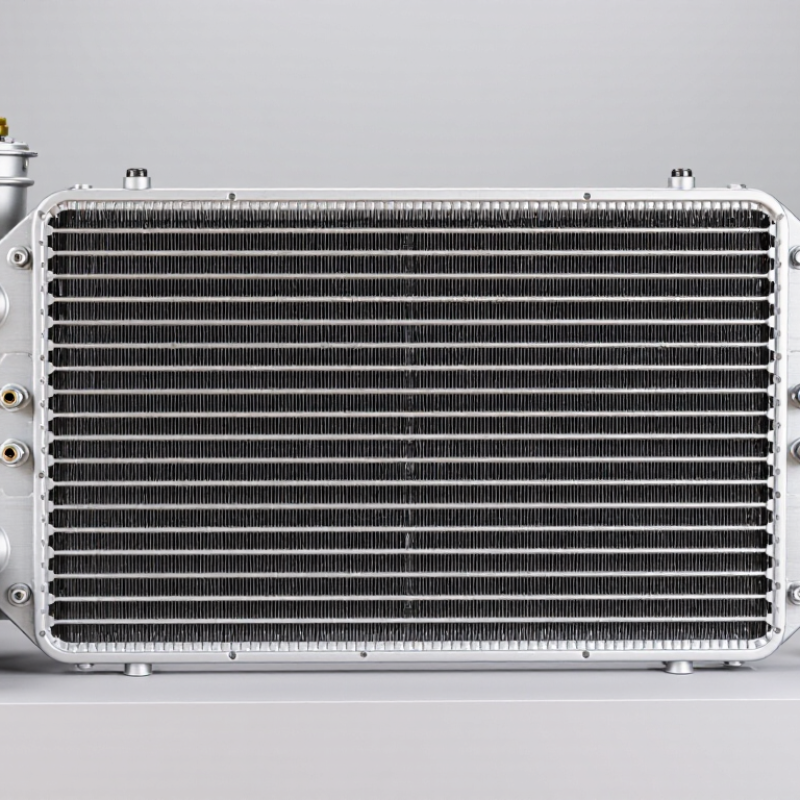
A heavy-duty truck radiator moves engine heat into the surrounding air. Coolant absorbs heat as it passes through channels in the engine. A water pump keeps that coolant moving through the cooling system. When it reaches the radiator, the fluid flows through narrow tubes. Thin metal fins around those tubes help transfer heat to passing air.
Airflow matters. At road speed, air passes through the radiator core. During slow climbs or idle periods, a fan helps maintain airflow. A thermostat controls when coolant flows through the radiator, helping the engine reach and hold its operating temperature. The pressure cap also matters: it keeps the system pressurized, which raises coolant’s boiling point. Small parts, big effect.
Heavy Loads and Cooling Performance
Heavy loads, dusty roads, and long uphill pulls can challenge the system. Debris between the fins may restrict airflow, while low coolant or a worn hose can reduce cooling performance. A rising temperature gauge is a warning, not a diagnosis. Check for leaks, damaged fins, and blocked airflow, but let the engine cool before opening the system. Hot coolant can cause serious burns. Radiator design and capacity vary by truck, so fitment and cooling requirements should match the vehicle’s engine and workload. I’ve found that airflow gets overlooked; it is easy to blame the radiator alone.
