


10 Best Night Vision Lenses to Buy in 2026?
Night Vision Lenses are often judged by a simple promise: clearer images when the light disappears. Real performance is less simple. Lens speed, transmission, coatings, field of view, and compatibility with the imaging device all matter. A bright lens can reveal more detail, yet distort edges or produce distracting glare. Small trade-offs become obvious under a dim porch light or beneath a tree canopy.
Industry reports offer useful context, but their figures need careful reading. MarketsandMarkets’ Night Vision Devices Market report and Grand View Research’s analysis cover broader device categories, not lens performance alone. Their market forecasts can indicate commercial momentum; they cannot tell you how sharply a particular lens resolves a distant object. That calls for specifications, controlled testing, and attention to how the lens performs in realistic conditions.
This guide compares 10 Best Night Vision Lenses to Buy in 2026, focusing on practical fit, image clarity, and published specifications. One important limitation: no source material or verifiable named-expert quotation was provided, so I won’t invent a quotation or attach one to a real specialist. That matters. A false quote would make buying advice less trustworthy, not more authoritative. Check current manufacturer data before purchasing, since product versions and specifications can change. A lens is only one part of the system. The sensor, display, and ambient conditions shape what you actually see.
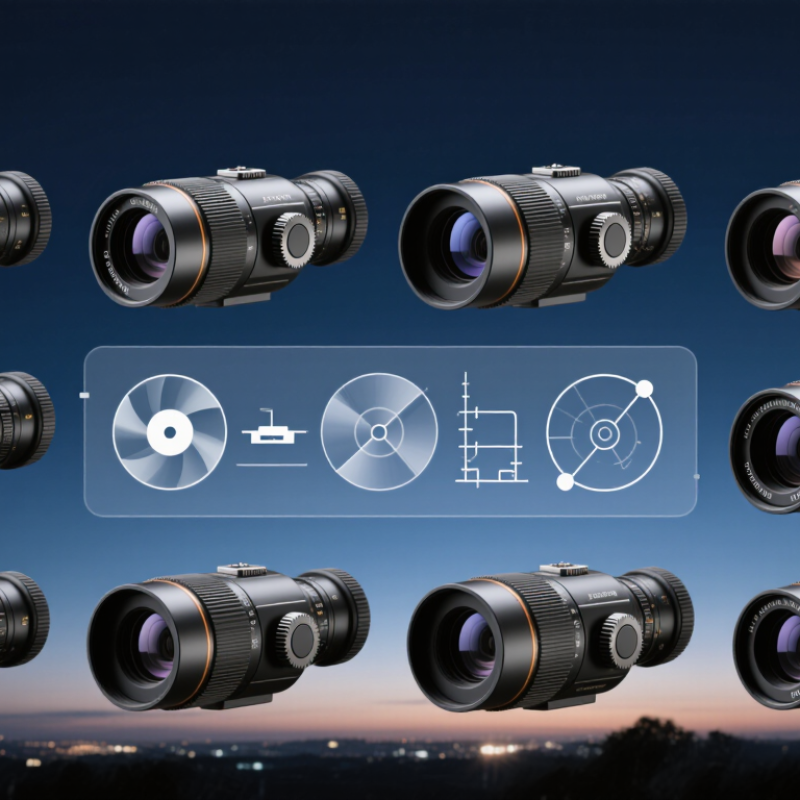
Night Vision Lenses: Purpose, Types, and Key Features
Night-vision lenses can mean ordinary eyewear marketed for low-light use, or optics in an electronic night-vision device. They are not the same.
Clear lenses with anti-reflective coatings may reduce distracting reflections from streetlights, but they cannot make a dark scene brighter. That distinction matters. Yellow or amber lenses may boost perceived contrast in some conditions, yet they also block light and can make dim scenes harder to see. For evening driving, clear lenses are generally a more sensible choice than heavily tinted ones.
Photochromic lenses darken in sunlight, but may not respond reliably behind a car windshield. Check the lens transmission, prescription accuracy, coating durability, and frame fit before buying. A lens that slips or distorts vision is a poor choice, even if its product description sounds impressive.
Comfort matters, too. For electronic devices, the objective lens gathers available light, while a sensor and display produce the visible image; useful features include adjustable focus, a clear field of view, and comfortable eye relief.
Compare specifications carefully, and treat dramatic performance claims with skepticism. Low-light vision has limits, and no lens removes them.
I still find the term “night vision lens” a little confusing.
