


7 Best Rail Freight Companies for Global Shipping?
Choosing among the 7 best Rail Freight companies for global shipping takes more than comparing route maps. A train crossing a border can move containers efficiently, but the full journey may also depend on port access, customs coordination, terminal capacity, and a reliable truck connection. Small delays matter. A container waiting beside a busy rail yard can disrupt a carefully planned delivery window.
Rail Freight specialist Ian Jefferies, President and CEO of the Association of American Railroads, has emphasized that “freight rail is the most fuel-efficient way to move goods over land.” That advantage is important, but it does not make every provider the right fit. Shippers should examine network reach, transit-time consistency, tracking tools, cargo handling, and support when schedules change. They should also ask who manages transfers between rail operators and other transport partners.
This guide compares seven companies through those practical details, rather than treating size alone as proof of quality. Some providers specialize in cross-border corridors; others connect major ports, inland hubs, and regional networks. Service availability can vary by origin, destination, and shipment type. No ranking can replace a route-specific quote. And a polished website is not evidence of smooth operations. The comparisons ahead offer a starting point, with trade-offs worth checking before booking.
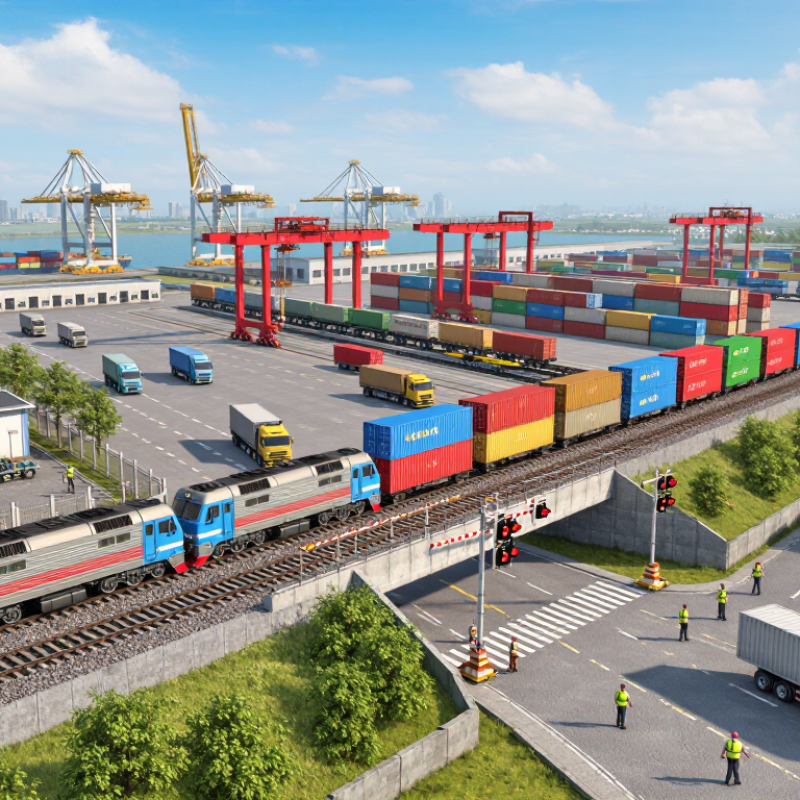
Understanding Rail Freight in Global Shipping
Rail freight connects inland production centers with ports, distribution hubs, and neighboring markets. For global shipping, it can balance cost and transit time, especially when cargo moves over long distances in steady volumes. It is not simply a train ride. A shipment may travel in a container, cross several borders, and transfer between rail networks before reaching its destination.
Details matter. Ask how often departures run, which terminals serve the route, and whether container handling is included. A few hours’ drive from a terminal can add a day or more to delivery. Differences in track gauge may also require cargo or containers to transfer between trains at a border. That handoff can affect schedules. Not every route is equally predictable.
When comparing rail freight providers, look beyond advertised transit times. Check how they report delays, track shipments, and coordinate road transport for pickup and final delivery. Request a route-specific estimate that includes terminal fees and likely transfer points. Small print counts. Rail can be a strong option for planned shipments, but urgent or highly time-sensitive cargo may need another mode. Even a carefully planned route can run late, so leaving a little schedule buffer is sensible.
