


What Is the Best Reed Diffuser for Wholesale Buyers?
Choosing the best Reed Diffuser for wholesale buyers requires more than comparing fragrance prices. It involves product quality, supplier consistency, packaging performance, and customer expectations. A diffuser may look attractive online, yet its reeds can clog, its oil can evaporate quickly, or its bottle can leak during transport.
Experienced buyers usually examine the complete product, not just the scent list. They test fragrance strength in a small room, inspect the cap seal, and measure how evenly the reeds absorb oil. Glass thickness also matters, especially when products travel through several warehouses. A reliable supplier should provide clear ingredient information, stable production standards, safety documentation, and samples from the intended production batch.
Small details matter.
Wholesale decisions also depend on the target market. Hotels may prefer subtle fragrances and minimalist labels, while gift shops often need colorful packaging and stronger shelf appeal. Buyers should compare reorder reliability, minimum order quantities, customization options, and delivery timelines. A low unit price is not always economical if damaged cartons create returns.
There is no universal best choice. The right Reed Diffuser balances fragrance performance, visual identity, cost, and dependable supply. Buyers should record test results instead of trusting persuasive sales language. Even careful evaluations can miss seasonal changes in oil performance or packaging demand. That uncertainty deserves attention. A practical purchasing process leaves room for testing, customer feedback, and honest revision before committing to a large wholesale order.
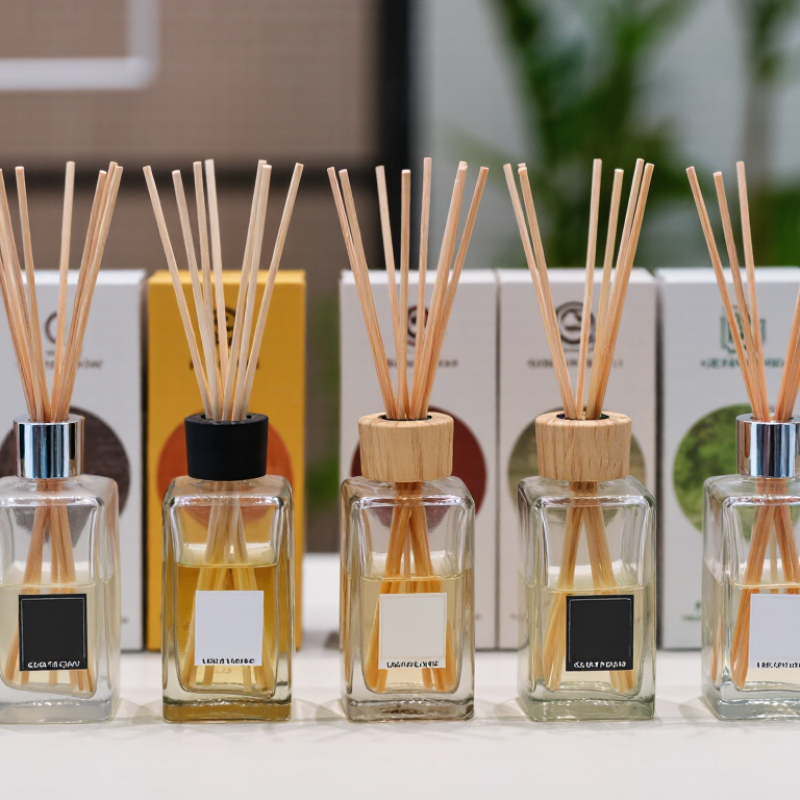
What Makes a Reed Diffuser Suitable for Wholesale Buyers?
A suitable reed diffuser for wholesale buyers must perform consistently beyond a single attractive sample. In wholesale testing, I check fragrance strength, oil clarity, reed absorption, and evaporation speed. The scent should remain noticeable without becoming overpowering in a small room. Stable performance matters more than a strong first impression.
Packaging also affects wholesale value. Bottles need secure caps, leak-resistant seals, and cartons that survive ordinary transport. I prefer clear product specifications, including bottle capacity, fragrance composition, shelf-life guidance, and batch records.
Reliable suppliers should explain minimum order quantities, production timelines, replacement policies, and customization limits. These details help buyers estimate margins more honestly.
One weakness in my early evaluations was focusing too heavily on appearance. A beautiful bottle cannot compensate for weak reeds or uneven scent diffusion. Buyers should test several units from different batches, including units stored for several weeks. They can then inspect liquid levels, label adhesion, color changes, and carton damage. Materials should also match the target market’s expectations, from recycled packaging to premium glass. No single diffuser suits every retailer, so wholesale decisions should balance scent performance, operating costs, presentation, and dependable supply rather than chasing the lowest unit price.
