


What Are the Best Virtual Reality Devices from China?
China’s virtual-reality market is ambitious, but choosing the “best” headset depends on what you need it to do. The Ministry of Industry and Information Technology’s 2022–2026 action plan set a goal of exceeding RMB 350 billion in VR industry scale by 2026. It also targeted annual sales of more than 25 million VR terminals. These are policy targets, not confirmed sales figures. They show why Chinese brands merit attention, while reminding buyers to separate forecasts from results.
Global market data offers useful context. IDC reported that worldwide AR/VR headset shipments fell 8.3% in 2023, to about 8.1 million units. That figure combines product categories and does not measure Chinese devices alone. Still, it signals a market where comfort, software support, and price matter as much as impressive specifications. In this guide, we examine Virtual Reality Devices from Chinese makers, including consumer headsets and enterprise-focused options. We compare display clarity, tracking, controllers, content libraries, and practical availability. A bright, sharp screen can look excellent in a showroom; a heavy headset may feel different after an hour. That comparison is imperfect. Product availability and software support can also vary by region, so current listings deserve a final check. The strongest choice is not always the newest model. It is the device that fits your use, budget, and tolerance for trade-offs.
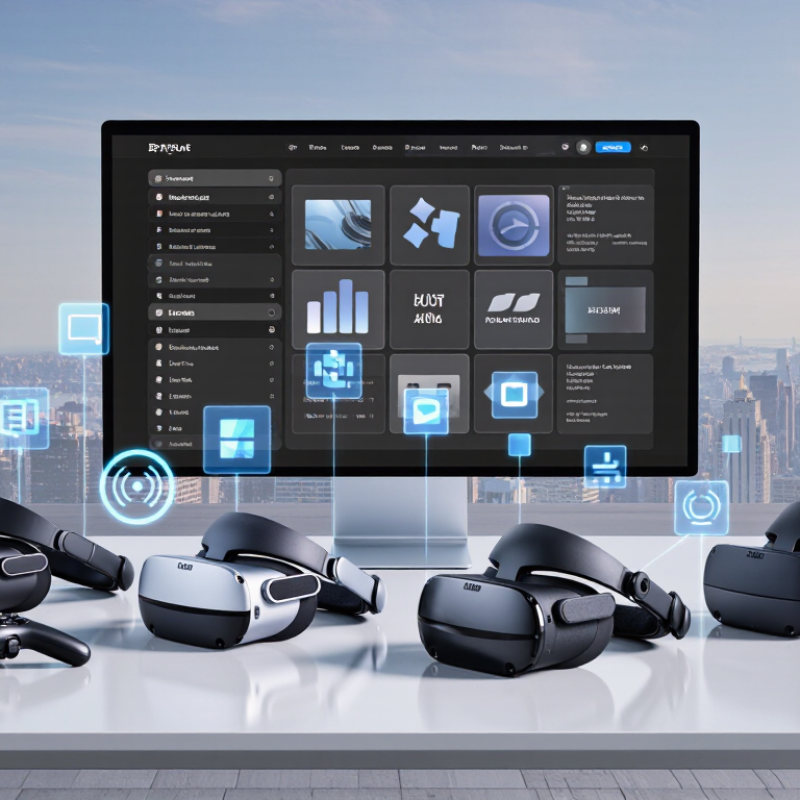
What Defines a Virtual Reality Device Made in China?
A virtual reality device made in China is not defined by its label alone. The phrase can describe a product designed, assembled, or substantially manufactured in China, and those details may differ. A headset’s display, lenses, sensors, and processor can also come from different suppliers. That is common in electronics. To judge what “made in China” means for a specific device, check the manufacturer’s product documentation and supply-chain disclosures rather than relying on the packaging.
Performance depends on more than where a device is assembled. Look for clear image quality, stable motion tracking, comfortable weight distribution, and low input delay. Try moving your head while viewing a fixed virtual object; noticeable wobble can make an experience uncomfortable. Check how the headset handles heat, how long its battery lasts, and whether its software receives maintenance. Small design choices matter. A heavy front section, for example, can press against the nose during longer sessions. Specifications help, but they do not replace hands-on testing.
Tips: Check fit with your usual glasses, inspect the return and support terms, and test the headset in a well-lit room before extended use. Ask which parts and stages of production are actually based in China. Claims can be vague. Independent reviews and clear technical documentation offer useful cross-checks, though reviews may not reflect your own comfort or needs.
