10 Best WiFi Carbon Monoxide Detectors for 2026
Carbon monoxide is invisible and odorless, so a dependable alarm matters even when everything at home seems normal. A Wifi Carbon Monoxide Detector can add phone notifications to an audible alert, helping you notice a warning while away. But Wi-Fi is not a safety guarantee. A weak signal, power loss, or disconnected router may interrupt remote alerts.
This guide to the 10 Best WiFi Carbon Monoxide Detectors for 2026 looks at practical differences that affect everyday use. We consider sensor type, alarm volume, app setup, backup power, smart-home compatibility, and the clarity of maintenance instructions. We also look for products that identify relevant safety certifications and direct buyers to follow the manufacturer’s placement guidance. For example, a detector near a bedroom hallway may serve a different purpose than one near a furnace or attached garage. Small details matter.
Remote access is useful. It is not a substitute for a working local alarm, routine testing, or an emergency plan. We cannot know every home’s layout, Wi-Fi coverage, or household needs, and no product list can make that judgment for you. That limitation deserves attention. The comparisons below are intended to help readers ask better questions before buying, not to promise that one device fits every space. Check current product specifications, replacement timelines, and app requirements before choosing a detector.
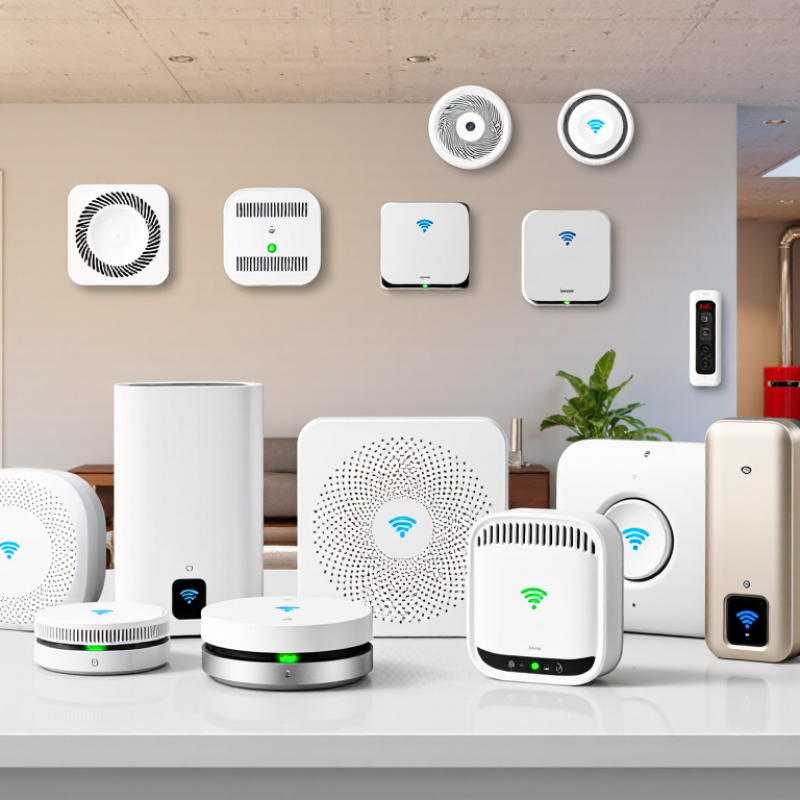
How Wi-Fi Carbon Monoxide Detectors Work
A Wi-Fi carbon monoxide detector uses a sensor to monitor carbon monoxide in the surrounding air. Many models use an electrochemical sensor, which reacts to the gas and produces a measurable electrical signal. The detector evaluates that signal over time, since alarm thresholds can depend on both concentration and exposure duration. If readings reach the unit’s alarm criteria, its built-in siren sounds. Some models also send a notification to a connected phone.
Wi-Fi adds remote communication, not extra sensing power. The detector connects to a home router and sends alerts through an app, which can help when nobody is near the alarm. But a weak signal, router outage, or phone setting may delay notifications. The local alarm should remain the main warning. Check the product’s instructions for sensor type, alert behavior, backup power, and recommended placement. Details vary between devices.
Tips: Test the alarm regularly, keep vents clear, and follow the manual’s placement guidance. Don’t assume an app alert proves the sensor is working. A practical check is to test the unit before relying on remote alerts. I still find setup instructions easy to skim too quickly; that can mean missing a small but important Wi-Fi requirement.