


Best RFID Tool Tracking Systems in China?
Tool rooms rarely lose everything at once. A wrench goes missing after maintenance, a drill returns without its battery, or a calibration tool sits on the wrong shelf. These small gaps can delay production and complicate inventory checks. Rfid Tool Tracking systems use tagged assets, readers, and software to make tool location and movement easier to verify.
Market momentum offers useful context, but not a guarantee of performance. Grand View Research estimated the global RFID market at USD 14.5 billion in 2023 and projected an 11.9% compound annual growth rate from 2024 to 2030. This figure covers many RFID applications, not tool tracking alone. Still, it signals growing investment in identification and visibility technologies. A large market does not automatically make a system suitable for a busy workshop.
This guide compares RFID tool tracking systems available in China, focusing on practical details: tag durability, read accuracy, handheld and fixed readers, software integration, and after-sales support. A metal cabinet can affect radio signals. So can crowded tool carts. Buyers should test tags on the actual tools and shelves they use, rather than rely only on a vendor demonstration. That advice may sound cautious. It is. The best choice depends on the worksite, budget, and asset-control process—not simply the longest feature list. The systems below are assessed against those real operating needs, with attention to what suppliers document and what buyers should verify before deployment.
What RFID Tool Tracking Systems Are and How They Work
Best RFID Tool Tracking Systems in China?
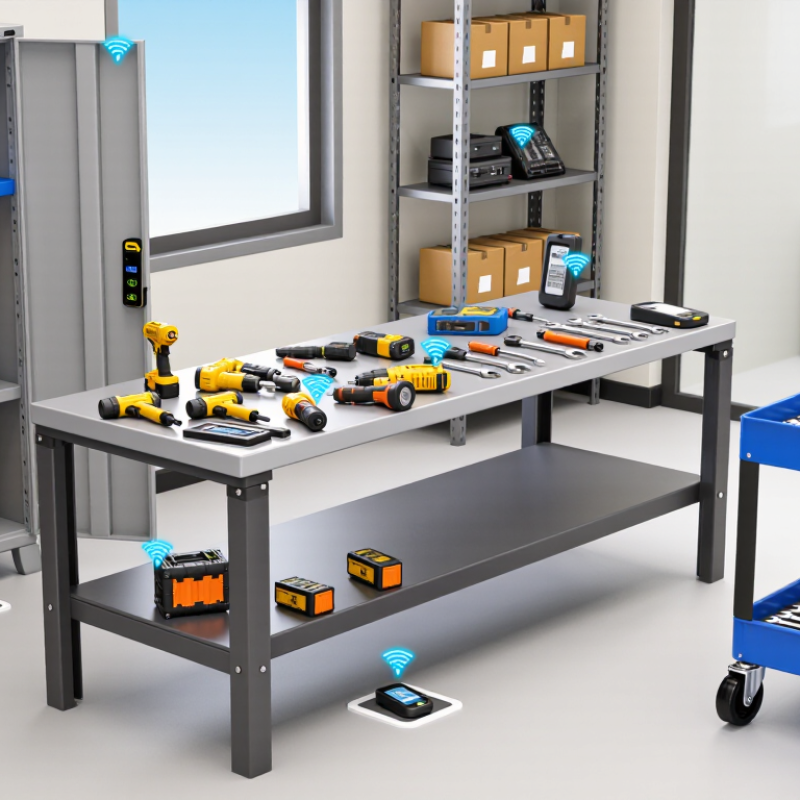
An RFID tool tracking system links tagged tools, readers, and inventory software. Each tool carries a small tag with a unique identifier. A reader sends radio waves; passive tags reply using reflected energy, so they need no battery. Software matches each read to a tool record, user, and time. Fixed readers can monitor cabinets or doorways, while handheld readers help staff locate equipment across a workshop. The GS1 EPC Gen2 standard defines UHF RFID operation across 860–960 MHz. RAIN Alliance reported 44.8 billion RAIN RFID tags shipped worldwide in 2022, showing the technology’s broad industrial scale—not a guarantee of tool-room accuracy.
In practice, a technician might scan a cabinet, see a missing torque wrench, and check its last recorded zone. Read performance depends on tag placement, reader setup, and the surrounding materials. Metal toolboxes and tightly packed tools can create missed reads or confusing results. A dashboard may look precise while the physical count is wrong. That deserves regular testing. Pilot the system with real tools and daily workflows before expanding it.
Tips: Test tags on metal tools, not just plastic samples. Set clear check-in rules, then compare system records with a manual count each week.
