China Top Smart AI Glasses Manufacturers for Global Buyers
China has become an important sourcing destination for connected eyewear, including Smart Ai Glasses. Global buyers can find manufacturers offering optical frames, miniature cameras, microphones, speakers, processors, and companion apps. Yet a polished product sample tells only part of the story. The real test comes after hours of wear, repeated charging, and everyday voice commands.
As Meta CEO Mark Zuckerberg has put it, “I think glasses are the ideal form factor for AI.” That vision is compelling, but practical details decide whether a product earns repeat use. Does the assistant respond clearly in a noisy street? Can the frame stay comfortable over a full workday? Are camera placement, battery life, translation quality, and app support consistent across production batches? Small differences matter.
This guide examines Chinese Smart Ai Glasses manufacturers through a buyer’s lens: product focus, engineering capability, customization, production readiness, and communication. Buyers should request working samples, confirm what the device can actually do, and test its software before discussing large orders. Ask about quality checks, replacement parts, and realistic lead times, too. Not every supplier will fit every market. And a low quotation is not proof of value.
There is room for caution. Product specifications can look impressive on paper, while daily performance remains uneven. A careful comparison helps buyers separate a promising demonstration from a dependable supply partner.
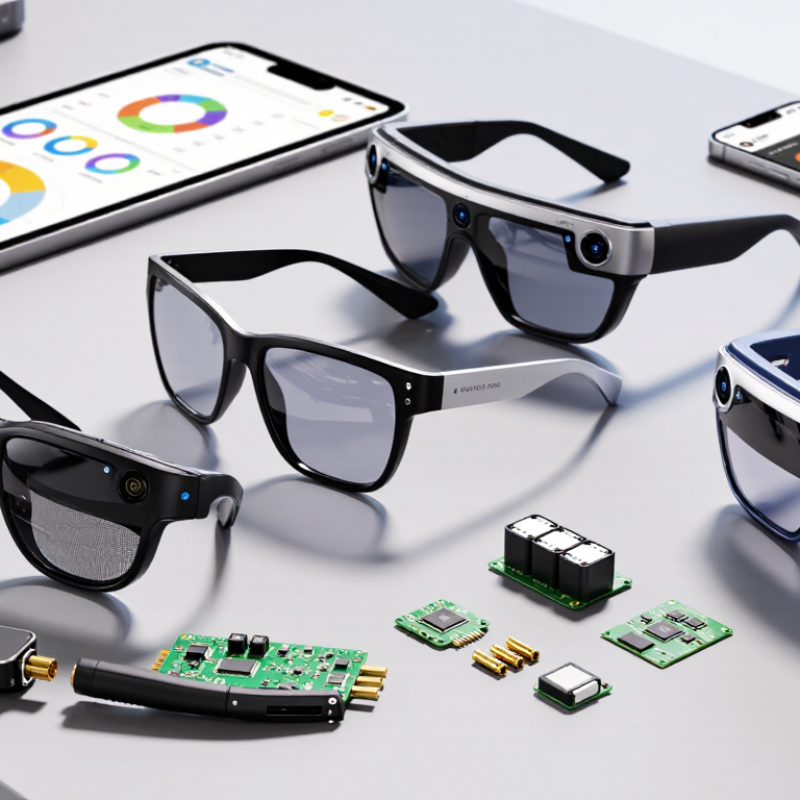
What Defines Smart AI Glasses and Their Core Technologies
Smart AI glasses combine an optical display, cameras or sensors, microphones, wireless connectivity, and computing power. The “smart” label alone says little. What matters is how reliably these parts work together during ordinary use.
A display may place a small image near the wearer’s line of sight, while microphones capture speech and motion sensors detect head movement. A processor interprets inputs, such as a spoken request or a visual scene, then delivers audio or a brief overlay. Battery capacity, heat control, and frame weight shape the experience too. Glasses that feel balanced for ten minutes may feel tiring after a full commute.
AI features can include speech recognition, translation, image descriptions, or contextual assistance. Their quality depends on sensor performance, software design, network access, and user controls. Some tasks run locally; others may require an internet connection. That distinction affects speed and privacy, and product descriptions do not always explain it clearly.
Ask how images are processed, when recording indicators appear, and whether key functions work offline. These details are easy to overlook. They matter. Smart glasses remain a compromise between useful information and a comfortable, natural view. Even careful engineering cannot make every feature effortless.