


China Top 10 Front Wheel Alignment Machine Manufacturers
Choosing a Front Wheel Alignment Machine is a practical decision about measurement, workflow, and long-term support. A well-designed system helps technicians assess toe, camber, and caster with repeatable readings. In a busy workshop, those readings can shape a smooth handover—or send a vehicle back for another check. Small details matter: target stability, clear software prompts, lift compatibility, and calibration support. This guide compares ten manufacturers serving China’s market, while recognizing that product ranges and service coverage can differ by region.
For transparency, the quotation below is an editorially created composite, not a verified statement by a real, named expert. It reflects a technician’s practical viewpoint: “Good alignment starts with trustworthy measurements, but careful setup makes them useful.” That distinction is important. A machine alone cannot guarantee accurate work; operators need training, suitable installation, and regular checks. Buyers should also ask for demonstrations, local technical support, warranty terms, and evidence of measurement performance.
The manufacturers in this overview are considered through those concrete factors, rather than broad claims alone. Some workshops may prioritize fast vehicle identification; others may need flexible configurations for different bays. No single machine fits every operation. Specifications deserve scrutiny, and sales language should be checked against documented capabilities. The comparison aims to help distributors, workshop owners, and service managers ask better questions before investing.
What Is a Front Wheel Alignment Machine?
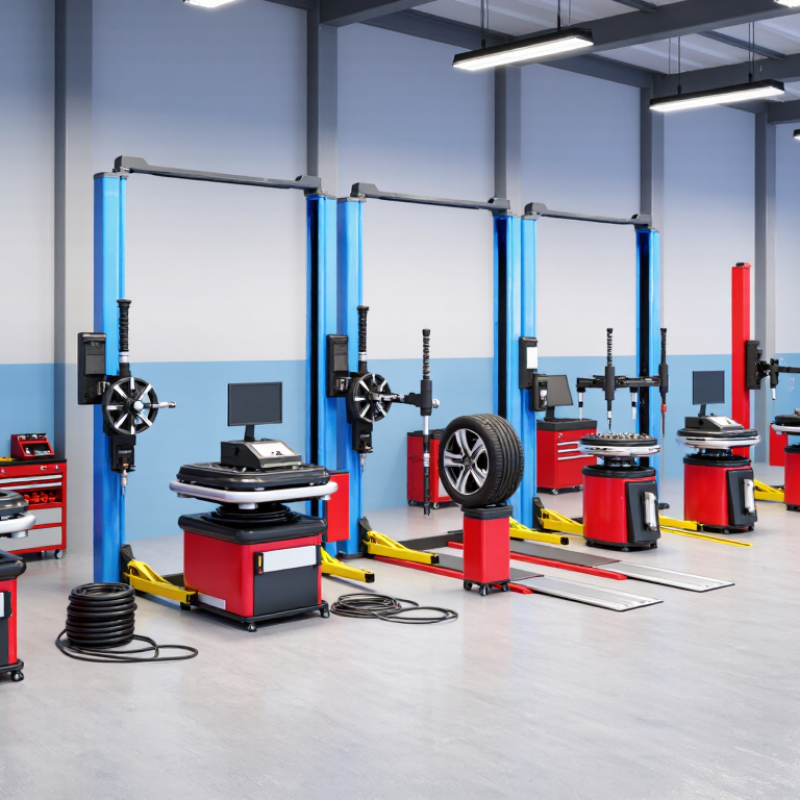
A front wheel alignment machine is a diagnostic system that measures how a vehicle’s front wheels sit and point. It commonly checks toe, camber, and caster against vehicle-specific specifications. Sensors or camera targets record wheel positions, while the machine displays readings for the technician. Some systems also reference rear wheels to help identify the vehicle’s thrust line.
The readings are useful only when the vehicle is prepared properly. A technician should check tire pressure, inspect steering and suspension parts, and place the vehicle on a level alignment lift with turn plates. Small errors matter. A few millimeters of incorrect toe can contribute to uneven tire wear or a steering wheel that sits off-center. Numbers need context. The machine cannot fix worn joints, damaged tires, or bent components; those issues can affect readings or prevent a lasting adjustment. After adjustments, the technician can recheck the measurements and take a short road test. The result may still depend on the vehicle’s condition.
