China Top 10 SIP Video Door Phone Manufacturers
Choosing a Sip Video Door Phone manufacturer is not only a matter of comparing screen sizes or catalog prices. Buyers should also check SIP compatibility, audio clarity, camera performance, installation options, and long-term technical support. Small details matter. An indoor monitor may look polished, yet still prove difficult to integrate with an existing intercom or access-control system. Compatibility should be confirmed against actual devices and software, not assumed from a product label.
China has a wide range of manufacturers, from established security-equipment suppliers to specialists serving building projects and private-label brands. This guide introduces ten companies for closer evaluation. It considers practical factors such as product range, manufacturing capabilities, customization, quality-control practices, and the availability of documentation and after-sales assistance. These factors help buyers form useful questions before requesting quotations or samples. They do not replace technical checks, reference calls, or a review of project requirements.
A ranked list can never fit every project. A small residential installation may value simple setup, while a large property may need centralized management and dependable integration. Even a detailed product page leaves questions unanswered. Buyers should verify current specifications, test representative equipment where possible, and clarify warranty and support terms in writing. The right supplier is not always the one with the longest catalog; sometimes, an overlooked integration detail changes the decision. There is room for judgment. This comparison aims to make that judgment more informed, while recognizing that supplier capabilities and product lines can change over time.
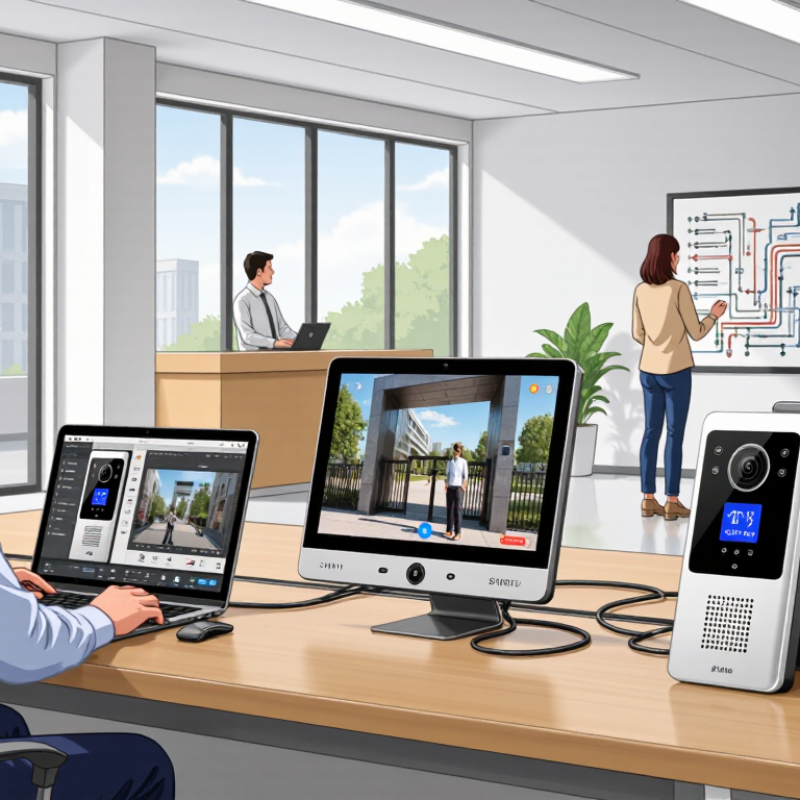
SIP Video Door Phones: Definition and Core Components
A SIP video door phone is an entrance device that lets a visitor call an indoor screen or another configured endpoint over an IP network. SIP, or Session Initiation Protocol, manages the call setup and termination; it does not carry the video itself. That distinction matters when checking compatibility. At the entrance, a camera captures the visitor, while a microphone and speaker support two-way conversation. A call button starts the request. Useful details include camera angle, night visibility, and clear audio near a busy sidewalk. Small parts matter.
Inside the unit, a processor handles call control, and a network interface connects it through Ethernet or Wi-Fi. Video and audio travel using separate media protocols, commonly over the same network. An indoor monitor, mobile client, or compatible phone can answer, depending on the system design. Many models also include a relay output for a connected door lock, but the phone itself does not guarantee secure access. Power may come through a network cable or a separate supply. Installation can look simple on paper. In practice, network quality, echo, weather exposure, and wiring affect daily performance. Test calls at the actual entrance reveal problems that a specification sheet may not.