


How to Choose a Great Will Dash Cam Manufacturer?
Choosing the right dash cam manufacturer can shape your product quality, customer trust, and long-term business results. It is not only about comparing factory prices. A dependable partner should understand image sensors, night recording, storage stability, firmware updates, and real driving conditions.
Jason Lin, a product specialist with Great-will, says, “A reliable dash cam begins with stable recording, not flashy packaging.” This point deserves attention. A camera may look impressive in a showroom, yet fail after heat exposure, vibration, or repeated memory-card use. Ask manufacturers for sample footage, testing details, warranty terms, and clear answers about production consistency.
Look closely at the small details. Can the lens capture readable plates at dusk? Does the device restart correctly after a sudden power cut? Are the mobile application and user instructions easy to understand? These questions reveal practical experience. They also separate a real supplier from a simple trading company.
A capable Great-will wholesale dash cam manufacturer should offer flexible branding, responsive communication, and dependable quality control. Certifications matter, but they should support actual performance. They should not replace it.
Experience matters more.
Review the manufacturer’s factory process, product range, and previous export markets. Request a physical sample before approving a large order. Check packaging strength, cable length, mounting quality, and recorded audio. These details can expose weaknesses early.
No supplier is perfect. Even an experienced manufacturer may need improvement in software, delivery planning, or technical support. That is worth discussing honestly. A transparent partner admits limitations and proposes workable solutions. The best choice is usually not the cheapest factory. It is the supplier that can deliver consistent products, useful support, and fewer unpleasant surprises.
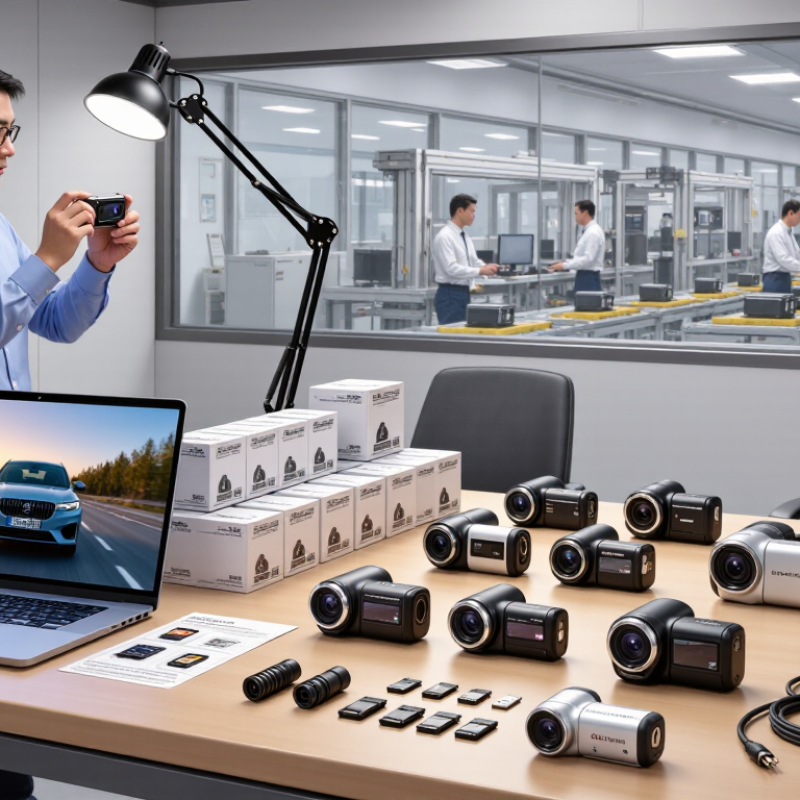
Define Your Dash Cam Requirements and Intended Use
How to Choose a Great Will Dash Cam Manufacturer?
Define your dash cam requirements before comparing manufacturers. A daily commuter may need clear daytime recording, simple controls, and reliable loop storage. A delivery vehicle may require wider coverage, stronger heat resistance, and longer recording hours. Parking protection is useful, but it can increase power consumption and installation complexity. Decide what matters most.
Test the camera in realistic conditions.
Check plate clarity at dusk, glare through a wet windshield, and image stability on rough roads. Night footage matters. So does audio control. Consider storage capacity, video format, mounting strength, and app usability. If several drivers will use the system, clear instructions and steady firmware support become important. A detailed warranty and responsive technical service also reveal a manufacturer’s reliability.
Do not choose from specifications alone.
A high resolution number cannot fix poor exposure or weak software. Ask whether the manufacturer provides sample footage, product testing data, installation guidance, and replacement procedures. Look for consistent quality control and transparent limitations. I once treated a longer feature list as better value, but daily use exposed unnecessary settings and confusing alerts. That mistake is worth remembering. Your intended use should guide every question, from sensor performance to after-sales support. Test carefully. Revised requirements may be wiser.
