How to Choose the Best Hand Controls for Cars for Mobility?
When it comes to choosing hand controls for cars, the task can feel overwhelming. Many options exist, each designed to enhance mobility for individuals with disabilities. These adaptations can change lives by providing freedom and independence on the road. Selecting the right hand controls requires careful consideration of specific needs, preferences, and safety.
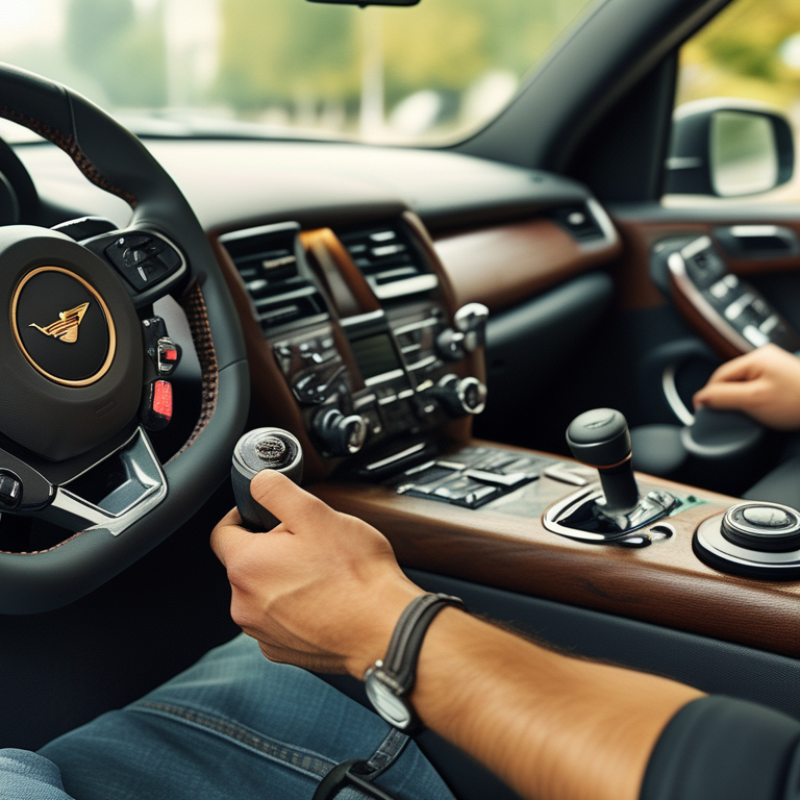
Understanding the various types of hand controls for cars is essential. For example, push-pull systems allow drivers to accelerate and brake with minimal strain. Other models may offer levers or knobs designed for easier grip. However, not every solution suits every user. It’s crucial to consult with professionals who specialize in adaptive driving aids to ensure the best fit for your situation.
Ideally, testing out different hand controls before making a purchase can reveal what feels most comfortable. This process may bring about some trial and error, which is perfectly normal. Reflecting on your experience will help you make a more informed decision. Ultimately, the right hand controls for cars enhance safety and comfort, bringing an essential sense of autonomy to every driver.
Understanding Mobility Needs and Preferences
Understanding mobility needs is crucial when selecting hand controls for vehicles. Adjustments for various disabilities vary significantly from person to person. For example, according to the National Highway Traffic Safety Administration, about 5.5 million people in the U.S. have mobility impairments. Each of these individuals may require unique adaptations to operate a vehicle safely.
User preferences also play a key role in choosing the right controls. Those with limited upper body strength may benefit from lighter touch controls, while others might need controls positioned in a specific way for ease of access. A recent study from the University of Michigan indicates that 70% of individuals with disabilities express dissatisfaction with available adaptations. This highlights the importance of tailoring solutions to meet individual preferences and enhancing user experience.
The landscape of hand controls continuously evolves. New technologies offer promising directions, yet many still face challenges in comfort and usability. It's not uncommon for individuals to go through several adjustments before finding the right fit. This trial-and-error process can be frustrating but essential for achieving optimal independence and confidence on the road. Listening to user feedback and staying informed about developments can lead to better, more personal solutions in mobility.
Types of Hand Controls Available for Vehicles
Hand controls for cars are essential for people with mobility challenges. Several types are available, each designed for specific needs. The two most common types include push-pull systems and spinner knobs. Push-pull hand controls allow the driver to accelerate by pulling the control towards themselves and brake by pushing it away. This design mimics natural movements, offering better control. Spinner knobs, on the other hand, provide easier steering, especially for those with limited grip strength. According to the National Highway Traffic Safety Administration, these adaptations can improve driving safety significantly for individuals with disabilities.
When choosing hand controls, it's important to consider comfort and usability. Many options are adjustable, enabling personalized setup. Users should test different models in a controlled environment. A study by the National Mobility Equipment Dealers Association found that nearly 30% of individuals experience difficulty with control adjustments after initial installation. Trial and error in selecting controls can enhance a user’s long-term driving experience.
Consider obtaining expert advice when selecting hand controls. Professional installers can provide valuable insights into the best options based on individual needs. Test drives with various systems can ensure proper setup. Seek feedback from other users to gauge effectiveness. A thoughtful approach to choosing hand controls can lead to more confident and secure driving experiences.
Factors to Consider When Selecting Hand Controls
When selecting hand controls for cars, consider various essential factors. Durability is paramount. You need controls that withstand frequent use. Look for materials that resist wear and tear over time. Different environments can affect performance too.
Comfort is another critical element. Controls should feel good in your hands. Adjustability is vital as well. Not every user has the same needs. Some might require extended reach; others may prefer a lower profile. Testing the controls before purchasing can help identify the best fit.
Also, think about installation ease. Some hand controls can be complicated to install. You might want something straightforward, no need for extensive tools or expertise. Complexity can lead to frustration. Consider your personal skills and comfort level with installation. A thorough understanding of your own requirements will lead to a better choice in the long run.
Installation and Compatibility with Your Vehicle
Choosing the right hand controls for mobility vehicles is crucial. Installation and compatibility directly impact safety and comfort. Before making a decision, review vehicle specifications. Each vehicle is unique, with different requirements for installing hand controls. Consulting your vehicle manual can provide vital information on compatibility.
According to a 2021 study by the National Mobility Equipment Dealers Association, 78% of users found that proper installation improved their driving experience. This statistic highlights the importance of ensuring that chosen controls align with your specific vehicle model. Professional advice can help navigate complex installation processes, especially for adaptive devices.
Incompatibility can lead to potential hazards. Misalignment or improper fitting can increase the risk of accidents. Some controls may not interact well with your vehicle's existing systems. This can lead to frustration and increased costs for reinstallation or repairs. It’s essential to prioritize thorough research and expert consultations to avoid these pitfalls.
How to Choose the Best Hand Controls for Cars for Mobility? - Installation and Compatibility with Your Vehicle
| Hand Control Type |
Installation Difficulty |
Vehicle Compatibility |
Adjustment Features |
Cost Estimate ($) |
| Push-Pull Hand Controls |
Moderate |
Most Mid-size Sedans |
Height Adjustable |
800 - 1200 |
| Finger Control Systems |
Easy |
Compact Cars & Hatchbacks |
Customizable |
600 - 1000 |
| Electronic Control Units |
High |
Luxury Cars & SUVs |
Fully Programmable |
1500 - 2500 |
| Toggle Hand Controls |
Moderate |
Airflow Models |
Standard Adjustment |
700 - 1100 |
| Quad-Directional Hand Controls |
High |
Large Vehicles |
Flexible Positioning |
1200 - 1800 |
Testing and Adjusting Hand Controls for Optimal Use
When testing hand controls for cars, start by evaluating your comfort level. Adjust the position of the controls to ensure easy reach. This can significantly enhance driving safety and control. It's essential to test hand controls in a controlled environment first. Familiarize yourself with the functionality before hitting the road.
Next, consider the sensitivity of the controls. Different controls respond to various levels of pressure. Some may feel too responsive, while others lack the necessary sensitivity. Take time to explore these nuances. Try driving in an empty parking lot to gauge how the controls respond to your input.
Test the hand controls under different conditions. Driving at varying speeds can reveal issues not obvious at slower rates. Look for places where you feel tension or strain. Reflect on any challenges you encounter. Small adjustments can make a notable difference in handling and comfort. Keep notes on what works and what doesn’t. Your feedback is valuable in fine-tuning the controls for your needs.