How to Choose the Best Waterproof Emergency Light for Your Needs?
Choosing the right Waterproof Emergency Light can be challenging. There are many products on the market. You may wonder what features to look for.
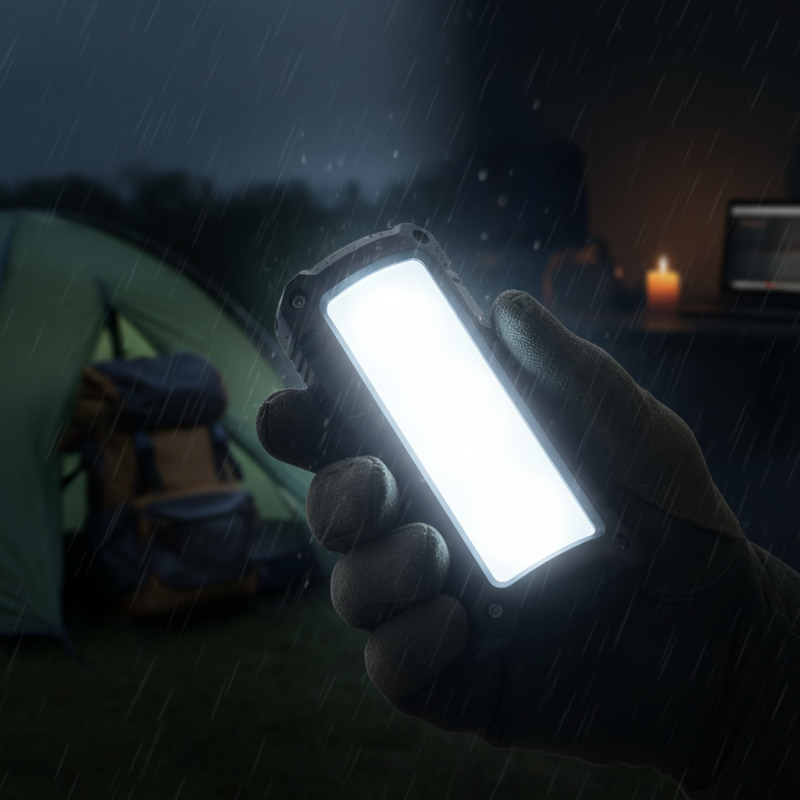
Consider where you will use the light. Will it be for camping, power outages, or emergencies? A bright light is essential in all situations. Waterproof capabilities are crucial too. You need to ensure it can withstand the elements.
Think about the size and weight. A compact light may be easier to carry but might lack power. Battery life matters as well. How often will you need to recharge? Evaluate your specific needs before making a decision. Research various options, but keep it simple. Sometimes, the most popular choice isn’t the best for you. When you reflect on your needs, the right Waterproof Emergency Light will become clearer.
Understanding Waterproof Ratings: IPX Standards Explained
Choosing a waterproof emergency light involves understanding its waterproof rating, particularly IPX standards. The IPX rating tells you how well a product can resist water. For instance, IPX4 can handle splashes from any direction. It’s suitable for moderate rain. On the other hand, IPX7 is more robust. It means the device can withstand being submerged in water for a short period.
Selecting the right rating is crucial. If you often face severe weather, you may need an IPX8 rating. This ensures protection against continuous water exposure. Examine the environment where you plan to use the light. If you need portability, consider size and weight too. Small, lightweight options may be convenient but could lack sturdiness.
Sometimes, products may not meet their claims. Users might find that lights labeled IPX7 fail after a brief immersion. It's vital to read reviews and gather real-world experiences. Sometimes, what seems perfect on paper doesn't perform well in practice. Always weigh features against actual needs and consider what aspects truly matter for your situation.
Evaluating Brightness: Lumens vs. Watts for Emergency Lighting
When it comes to selecting a waterproof emergency light, understanding brightness is crucial. The most common metric for measuring brightness is lumens. A light that emits 800 lumens can illuminate an area effectively, providing enough visibility in dark situations. In contrast, watts measure energy consumption, which does not directly correlate with brightness. For example, a traditional 60-watt bulb may only produce about 800 lumens.
According to industry reports, emergency lights with high lumen output are essential for safety. During power outages, a light with 1200 lumens can penetrate the darkness in larger spaces. It’s worth noting that some consumers still equate watts with brightness, leading to confusion. This misunderstanding can lead to purchasing a less effective emergency light.
Ultimately, choosing the right emergency light means prioritizing lumens over watts. A product with at least 600 lumens ensures that you will see clearly in any emergency. However, many overlook this detail. They may focus more on design or brand, which is a mistake. It’s important to reflect on what truly matters when ensuring safety in darkness.
Battery Life Considerations: Comparing Rechargeable and Disposable Options
When selecting a waterproof emergency light, battery life stands as a crucial factor. Rechargeable lights often boast longer usage periods. A study from the National Electrical Manufacturers Association indicates that rechargeable batteries can last up to 8 hours after a full charge. Contrast this with disposable batteries, which typically provide around 3 to 5 hours of illumination. The time difference can significantly affect your safety during emergencies.
However, rechargeable options might not always be the best choice. They require regular charging, which could lead to unexpected darkness if forgotten. Disposable batteries can be more reliable in unpredictable situations. A survey by the American Battery Council found that 45% of users prefer disposables for their simplicity and immediate availability. Reliability in critical moments often trumps convenience. It's essential to weigh these factors based on personal needs and potential emergency scenarios.
Durability Features: Materials and Build Quality for Harsh Conditions
Choosing the right waterproof emergency light involves considering its durability. When facing harsh conditions, the materials used play a crucial role. Look for lights made from high-impact plastic or aluminum. These materials resist damage from drops and bumps. Some lights also feature rubberized exteriors. This adds extra protection against scratches and impacts.
Build quality is equally important. A well-constructed light will withstand rain, dust, and extreme temperatures. Check for tight seals and sturdy connections. Water-resistant ratings offer insight into performance. A rating of IP67 indicates it can handle submersion. Yet, keep in mind that not all waterproof lights are equally robust.
Don’t ignore the importance of weight. A heavy light may feel durable, but it can be cumbersome in emergencies. On the other hand, lightweight options might seem less durable, but they’re easier to carry. Assess your specific needs. Think about where you’ll use the light. Will it be outdoors during a storm, or indoors during a blackout? Your usage scenario greatly influences your choice.
Type and Mode of Light: Selecting LED, Strobe, or Flood Options
Choosing the right type and mode of light is crucial for a waterproof emergency light. LED lights stand out for their energy efficiency and longevity. They offer bright illumination suitable for various situations, from power outages to outdoor activities. In a tight spot, an LED can be more reliable than traditional bulbs.
On the other hand, strobe lights can be beneficial in emergencies. Their flashing pattern catches attention quickly. This is useful when signaling for help or attracting attention during a rescue. However, strobe lights can be disorienting. It's important to consider this before selection.
Flood lights provide a broad beam, useful for lighting large areas. They’re excellent for outdoor settings where visibility is essential. But they tend to consume more power. Their brightness can sometimes be overwhelming in confined spaces. Balancing the type of light with your specific needs will determine the best choice for you. Think about the situations you might face. Each mode has its strengths and weaknesses. Reflecting on these will help you make an informed decision.
Comparison of Different Types of Waterproof Emergency Lights
This chart compares the brightness levels of different types of waterproof emergency lights: LED, Strobe, and Flood. LED lights offer the highest brightness at 1000 lumens, followed by Strobe lights at 800 lumens and Flood lights at 600 lumens. This information can help you select the best option for your specific needs.