


How to Choose Beverage Can Ends in 2026?
Choosing a Beverage Can End in 2026 is a technical decision, not a minor line-item choice. The end must match the can body, filling conditions, product characteristics, opening experience, and production line. A mismatch can show up as poor seaming, difficult opening, or wasted material. Small details matter: the score line, tab shape, end diameter, and coating all affect performance.
Industry data makes the wider context clear. The Can Manufacturers Institute and The Aluminum Association reported a 43% U.S. aluminum beverage-can recycling rate for 2023. That figure concerns cans overall, not ends alone, but it highlights why material efficiency and compatibility with established recycling streams deserve attention. Buyers should also request current technical specifications and test results from suppliers; a product sheet cannot replace line trials. Check seam measurements, pressure performance, opening force, and consistency across production runs.
Robert Budway, president of the Can Manufacturers Institute, is a relevant industry voice on beverage-can recycling and manufacturing. However, no source material was provided here to verify a word-for-word quotation from him, so an exact quote should not be invented. That restraint matters. Choosing an end by price alone may look efficient on paper, yet a small compatibility issue can disrupt a fast-moving line. This guide compares the practical criteria buyers should verify before selecting a Beverage Can End for 2026.
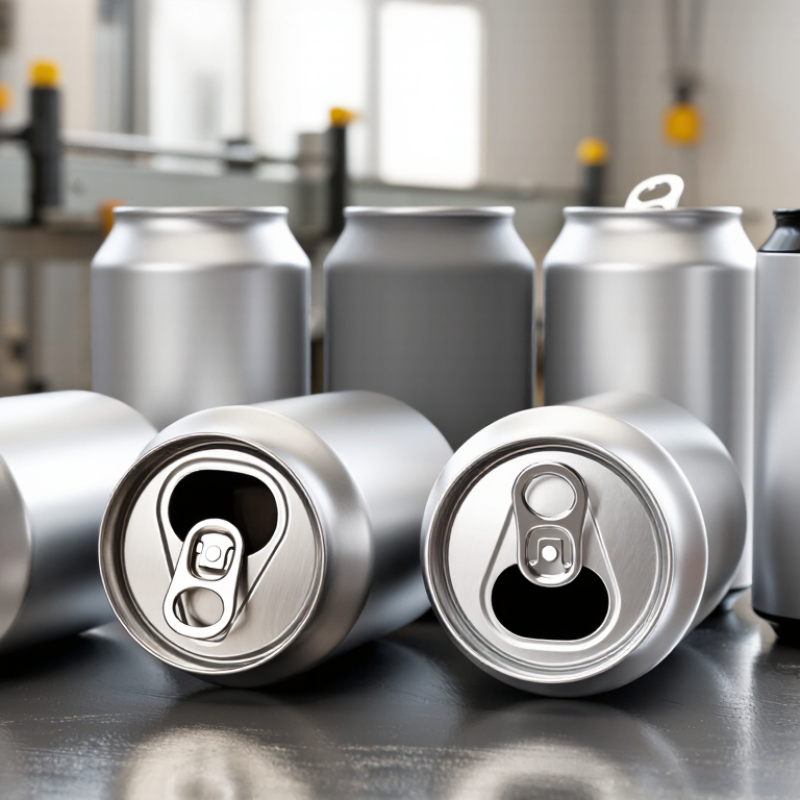
What Beverage Can Ends Are and How They Function
How to Choose Beverage Can Ends in 2026?
What Beverage Can Ends Are and How They Function
A beverage can end is the metal closure fitted to the can body. Its rim is joined to the body with a double seam, creating a tight seal. Many ends include a scored opening panel, a pull tab, and a small rivet that holds the tab in place. When lifted, the tab presses against the panel and breaks the score line. The opening stays attached rather than falling into the drink. Small parts matter. The end must contain internal pressure while remaining practical to open.
End design affects filling-line performance, product protection, and the drinking experience. Selection depends on the can’s dimensions, the seaming equipment, and the beverage’s pressure and handling needs. A mismatch can cause sealing problems or slow production. Check technical drawings and seaming specifications with the can supplier, then confirm performance through production trials. A sample that opens smoothly by hand may behave differently on a fast line. That detail is easy to overlook.
Tips: Inspect the seam for consistent formation, and test opening force across several samples. Check for leaks after handling and storage trials. Record the end type and setup used; otherwise, comparisons can become unreliable. Don’t rely on appearance alone.
