China Top AGV Chassis Manufacturers How to Choose?
China has become a major source of mobile robot components, including compact and heavy-duty Agv Chassis platforms. Choosing a manufacturer, however, requires more than comparing online prices. The chassis must match your vehicle’s payload, dimensions, floor conditions, navigation method, and operating schedule. A small mistake can cause repeated wheel slippage, unstable turning, or premature battery drain.
Practical evaluation should begin with technical evidence. Ask for rated payload data, motor specifications, wheel material, suspension details, braking performance, and controller interfaces. Request test reports from realistic conditions, such as polished concrete, narrow aisles, ramps, and uneven joints. A sample chassis can reveal vibration that brochures often hide. Check whether the supplier supports custom mounting holes, battery compartments, emergency stops, and communication protocols. These details affect integration time.
Manufacturer reliability also matters. Review factory capacity, quality-control procedures, spare-parts availability, and response times from previous customers. Certification documents should be current, traceable, and relevant to your target market. Do not accept vague claims without verification. A low quotation may look attractive, but weak after-sales support can become expensive. Very expensive is not automatically better.
Some buyers focus too heavily on maximum load. That is understandable, but incomplete. Real performance depends on speed, center of gravity, duty cycle, and floor friction. A reliable decision combines engineering fit, documented testing, transparent communication, and long-term service. The “best” China Agv Chassis manufacturer may not be the largest one. It may be the supplier that understands your application, admits limitations, and improves the design when field results expose a weakness.
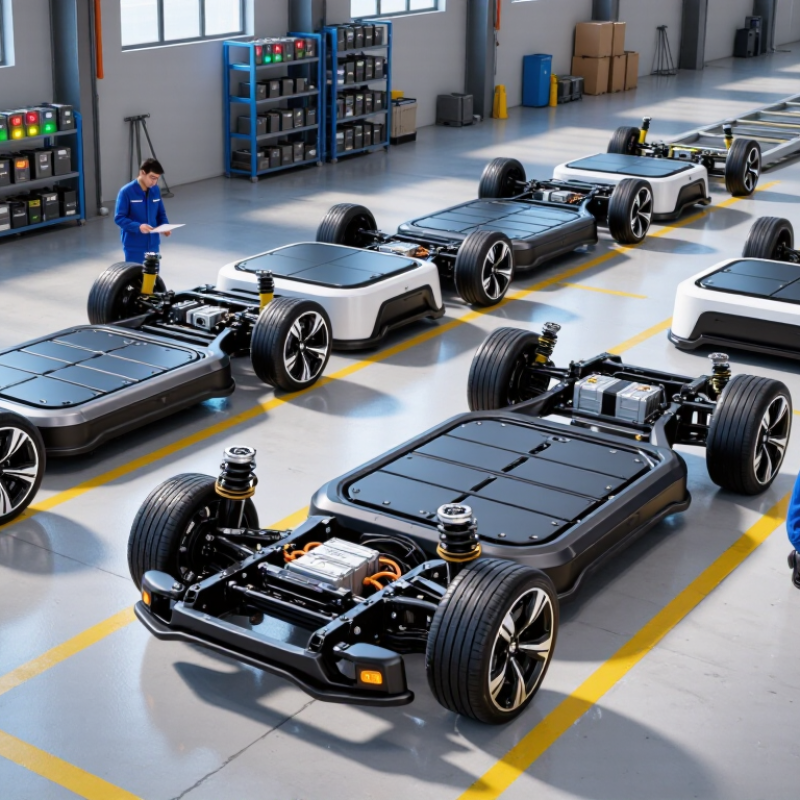
What Is an AGV Chassis and Why Does Manufacturer Selection Matter?
An AGV chassis is the mobile foundation of an automated guided vehicle. It carries the battery, drive system, sensors, controller, and payload. Think of it as the vehicle’s skeleton. Its frame affects stability, turning radius, ground clearance, and service access. A strong chassis must handle repeated starts, stops, uneven floors, and daily warehouse traffic.
Manufacturer selection matters because a chassis is rarely a simple catalogue purchase. The supplier should understand your load distribution, aisle width, floor conditions, and operating hours. Ask for verified load tests, dimensional drawings, wiring details, and maintenance guidance. Check how the drive wheels perform under partial loads. Also review safety integration, spare-part availability, software compatibility, and response times. A low initial price may hide weak documentation or difficult repairs. That mistake can become expensive.
Tips: Request a sample test or factory acceptance test. Place weighted loads on the chassis and observe braking, noise, vibration, and turning accuracy. Discuss future changes, too. No chassis is perfect, and one design may sacrifice speed for stability. I have seen technically attractive solutions fail because technicians could not reach the battery quickly. Manufacturer reliability should include engineering communication, honest limitations, and consistent quality control. Ask difficult questions before signing. Clear answers are valuable evidence.