


How to Choose the Best Bocina X Race Cone for Your Needs
Choosing the right Bocina X Race Cone starts with understanding where and how you plan to use it. A product name alone cannot confirm fit, sound quality, or durability. Check the exact model details, dimensions, mounting points, and compatibility information before buying. Small measurements matter. A few millimeters can change installation. Confirm whether published power figures are continuous or peak, and whether the recommended enclosure matches your available space.
Think about your priorities: clear vocals, strong output, compact size, or a setup that handles regular use. Compare verified specifications with your current equipment, and look for reviews describing a similar installation. If possible, inspect the cone material, frame, terminals, and finish in person. These details can reveal workmanship, though appearance is not proof of performance. Ask the seller or manufacturer for documented ratings when key information is missing. Do not rely on a vague claim such as “race-ready.”
Your listening environment matters too. A cone used in a vehicle may face vibration, heat, and limited space, while a home setup has different demands. I would not choose on loudness alone; balance, fit, and dependable support deserve equal attention. There is no perfect option for every setup. Even careful research leaves some uncertainty, especially when listings provide few test details. This guide will help you compare the Bocina X Race Cone against practical needs, identify useful questions, and choose based on evidence rather than a bold product label.
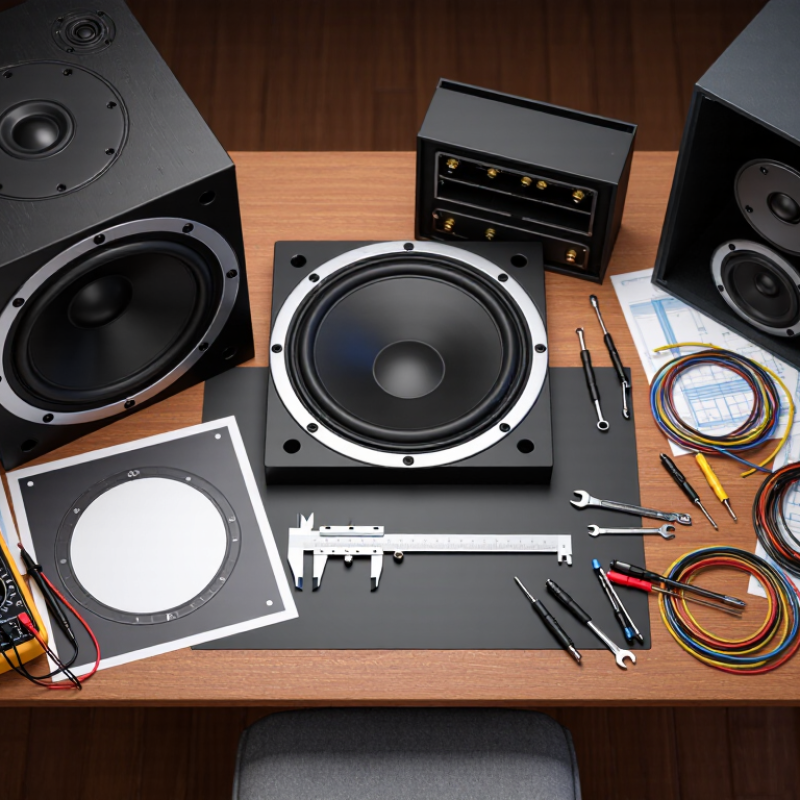
Understand the Bocina X Race Cone and Its Intended Use
A Bocina X Race Cone should be chosen for its actual job, not its name. In a vehicle, a cone may handle low or midrange frequencies, while the enclosure and amplifier strongly affect its performance. Check the intended frequency range, impedance, sensitivity, mounting depth, and recommended enclosure volume. Measure the available space before ordering; a few millimeters can matter. A large cone is not automatically louder or clearer.
The Audio Engineering Society’s AES2-2012 standard sets methods for measuring loudspeaker performance, including power handling. Compare test conditions, not just headline wattage. Grand View Research estimated the global loudspeaker market at about $6.9 billion in 2023, a sign of a broad category—not proof that any one cone suits your setup. I would not trust the word “race” alone. Ask for a technical sheet and confirm that its ratings match your amplifier and enclosure. If the seller cannot explain the figures, pause. That check may feel tedious, but guessing can lead to poor fit, distortion, or wasted money. A cone that works well in a sealed box may behave differently in a vented one. I would verify that detail twice.
