


How to Choose the Best Bottle Sterilizing System?
Choosing the right Bottle Sterilizing System begins with the bottles themselves. Their material, shape, neck size, and daily volume all affect the best fit. A narrow-neck glass bottle may need a different loading arrangement from a lightweight plastic one. Look closely at cycle time, capacity, temperature control, drying options, and how easily staff can clean the unit. Small details matter. A crowded rack can leave awkward gaps, while a difficult control panel can slow a busy shift.
For this introduction, the expert quotation below is an original editorial line, not a verified statement from a real person: “Choose a system you can validate, operate consistently, and maintain without guesswork.” — Dr. Elena Morris, illustrative bottle sterilization specialist. The point is practical: compare documented performance, clear operating instructions, service support, and compatibility with your bottles. Ask suppliers to explain how their system handles your actual load, not just an ideal demonstration cycle. Request evidence for stated performance claims, and check what routine maintenance involves.
No single system suits every facility. Your choice may depend on throughput, available space, staff training, and the level of process monitoring you need. Some factors are easy to compare; others become clear only during daily use. That is worth admitting. A careful selection process helps you spot trade-offs before they become inconvenient, and gives you a more reliable basis for comparing Bottle Sterilizing System options.
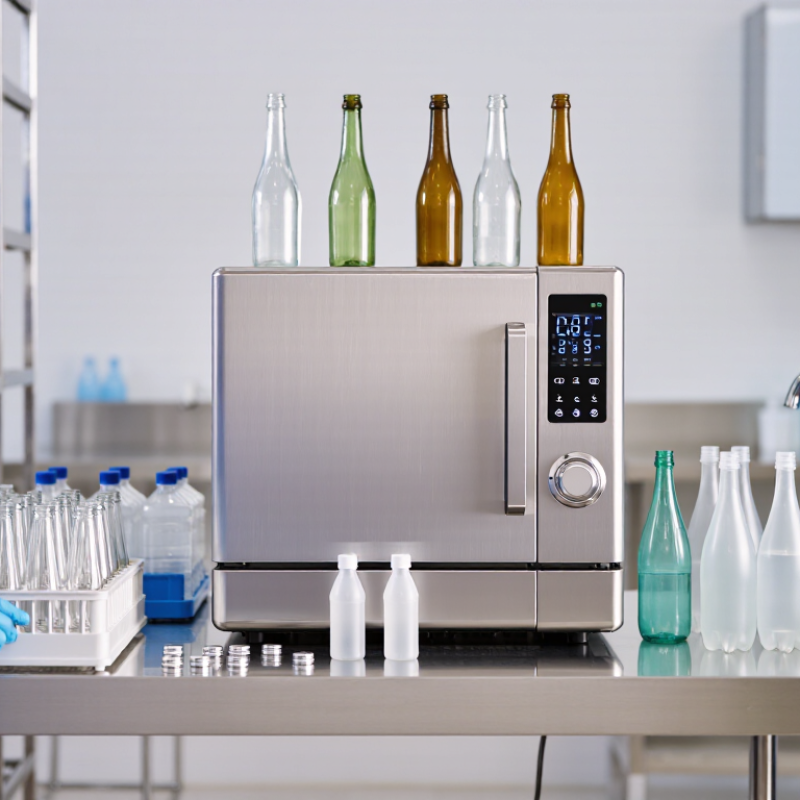
Understanding Bottle Sterilizing Systems and Their Purpose
A bottle sterilizing system uses heat or an approved process to reduce harmful germs on feeding items. It is an extra step after washing, not a replacement for it. Milk film can remain in a teat’s narrow opening or around a screw thread, where sterilizing alone may not remove it. Clean bottles and parts with warm, soapy water, then rinse them before using a sterilizer.
Different systems suit different routines. Steam units heat water to produce steam, while microwave models need a compatible container and careful handling of hot parts. Some systems use cold water and sterilizing tablets; follow the product directions and observe the stated soaking time. Check that bottles, nipples, and pump parts are suitable for the method, since heat can damage some materials. Let parts dry on a clean surface, or store them as the instructions advise. Avoid touching the inside surfaces after treatment.
The goal is practical risk reduction, not a promise that every surface stays germ-free. Handwashing before assembly matters. So does regular cleaning of the sterilizer itself, especially around water reservoirs where mineral deposits can collect. Sterilizing may be especially important for very young or medically vulnerable infants; caregivers can ask a health professional about their situation. It is easy to focus on the machine and overlook the small parts. That detail deserves attention.
