How to Choose the Best Lithium Battery Supplier in 2026?
Choosing the best Lithium Battery supplier in 2026 requires more than comparing prices on a spreadsheet. Battery technology is advancing quickly, while supply risks remain difficult to predict. A reliable supplier should demonstrate practical manufacturing experience, stable quality systems, and clear communication. Look for evidence, not attractive promises.
In real sourcing projects, small details often reveal a supplier’s professionalism. Ask about cell chemistry, energy density, cycle-life testing, thermal management, and production capacity. Request recent test reports, traceability records, warranty terms, and relevant safety certifications. A serious supplier should explain how batteries are inspected before shipment. They should also describe quality controls for cells, battery management systems, connectors, and protective enclosures. Factory audits and sample testing can expose differences that brochures hide.
Cost still matters, but the lowest quotation may create expensive problems later. Delayed deliveries, inconsistent capacity, or weak after-sales support can disrupt an entire product launch. Check the supplier’s financial stability, communication speed, replacement process, and experience with similar applications. Customer references are useful, although they should not be accepted without independent verification. No checklist is perfect. I have seen technically strong suppliers struggle with documentation and responsiveness. That weakness deserves honest attention. The right decision balances performance, compliance, scalability, service, and long-term trust. This guide will help buyers ask sharper questions and recognize dependable partners before signing a contract.
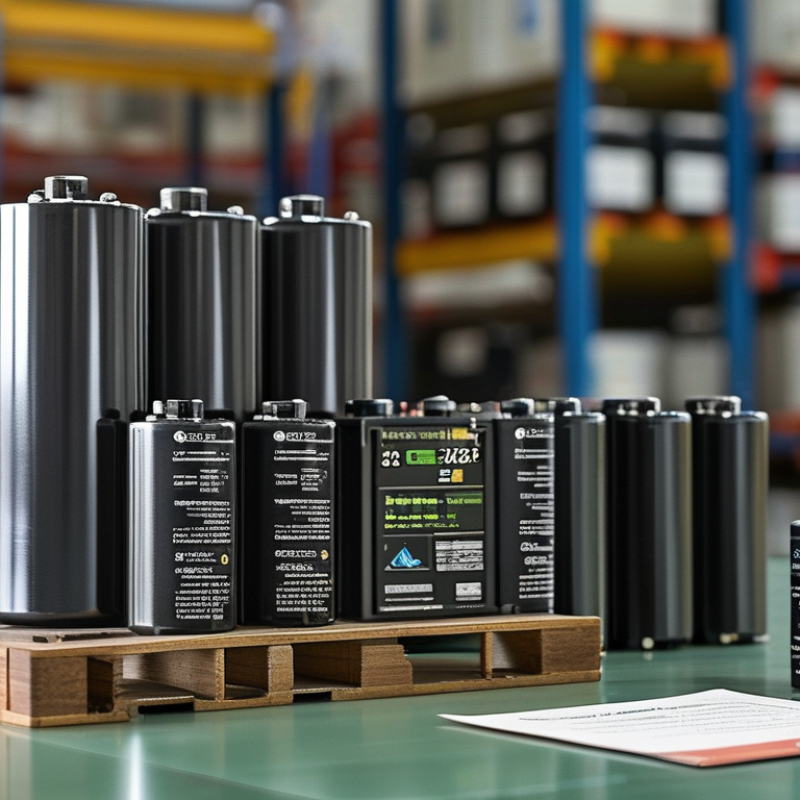
Define Battery Requirements: Voltage, Energy, C-Rate, and 2,000+ Cycle Life
Choosing the best lithium battery supplier in 2026 starts with precise requirements, not attractive pricing.
Define nominal voltage, operating voltage, usable energy, and peak power. A 48 V battery delivering 100 Ah stores about 4.8 kWh before efficiency losses. Confirm the real usable capacity at your temperature and discharge rate. The IEA reported that global electric car sales exceeded 17 million in 2024, increasing pressure on supply quality and traceability.
C-rate deserves careful attention. A 1C discharge empties a battery in roughly one hour; a 2C load demands twice the current. Ask for continuous and peak C-rate data, tested at a stated temperature. Also request cycle-life results using your actual depth of discharge.
“2,000 cycles” means little without conditions. At 80% depth of discharge, 2,000 cycles could deliver approximately 3,200 full-cycle equivalents. BloombergNEF’s 2024 Battery Price Survey reported an average pack price of 115 dollars per kWh, but low cost should never replace verified testing.
Tips: Request independent test reports, production samples, cell traceability, thermal data, and warranty definitions. Check whether capacity means initial or guaranteed capacity. Ask how the supplier handles failed cells. A spreadsheet can still lie. I would also compare ten samples, not one. Small variations often reveal weak process control. Ensure the supplier documents protection limits, balancing methods, storage conditions, and transport compliance. Performance claims without test conditions deserve skepticism.