How to Choose the Best Night Vision Goggles
Choosing Night Vision Goggles is less about chasing the biggest number on a product page and more about matching the device to real conditions. A quiet backyard, a wooded trail, and a dark campsite place different demands on visibility, range, comfort, and battery life. Even a bright display can disappoint if its field of view feels narrow or its controls are hard to use with gloves.
Dr. Eric Fossum, a pioneer in CMOS image-sensor technology, offers relevant expertise in how sensors capture images in low light. The following is an editorial paraphrase of that technical lesson, not a verbatim quotation: “In low light, sensor performance and usable detail matter more than impressive claims alone.” That distinction helps buyers compare digital models with image-intensifier designs, while remembering that thermal devices detect heat rather than amplify visible light. Check the specifications, but also consider how the picture looks in realistic darkness.
Small details count. Can you adjust focus quickly? Does the unit sit comfortably after ten minutes? How long does it run, and does it need an infrared illuminator in very dark settings? Read the manual and verify the manufacturer’s stated range and operating limits. A higher price is not automatic proof of a better fit. Nor is a single advertised range enough. Your own use matters.
This guide explains the main features, trade-offs, and questions worth asking before you buy. Some comparisons remain imperfect because testing conditions vary. That deserves a second look.
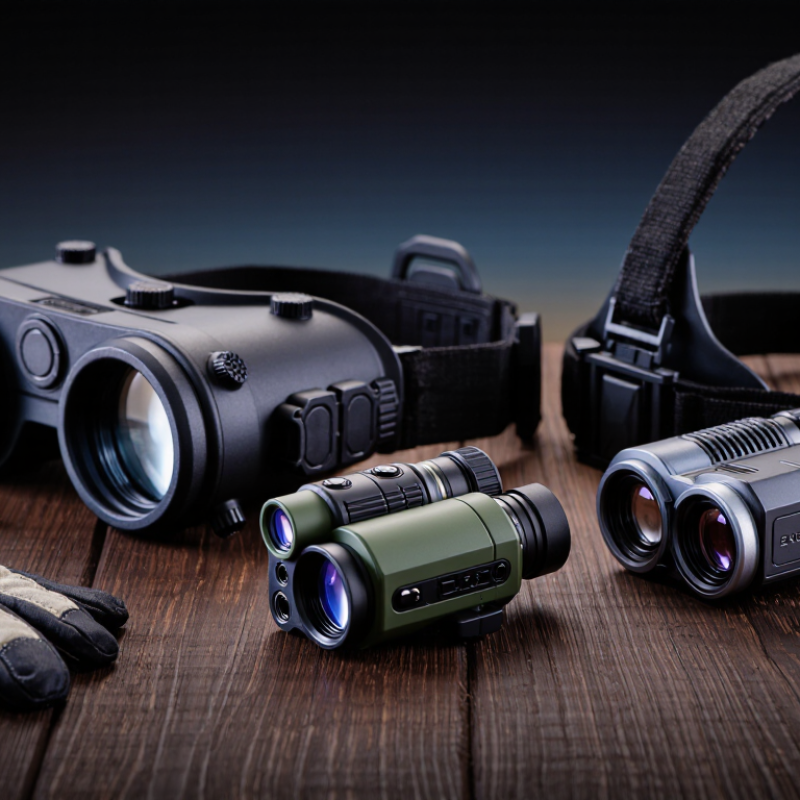
Identify Your Intended Use and Viewing Conditions
Start with the task, not the advertised range. For checking a dark backyard, compact goggles may be easier to carry than a heavier unit. For wildlife observation from a stationary position, comfort and steady viewing may matter more. Think about how long you will wear them, whether you need both hands free, and how far away your usual subject is. Details matter.
Light conditions change what you need. Night-vision devices generally amplify available light, so performance can vary under a cloudy sky, beneath trees, or near artificial lighting. If you expect very little ambient light, check whether the device includes infrared illumination and how that affects its usable distance. Test the controls in a dim room, too; small buttons can be frustrating with gloves. I would not assume a larger magnification is automatically better. It can narrow the view and make movement harder to follow.
Consider weather, viewing distance, and your surroundings before choosing. Fog, rain, and branches can obscure detail, regardless of the specifications. A wide field of view can help when scanning a trail, while image clarity may matter more for observing a fixed point. If possible, try the goggles in conditions similar to your intended use. A brief indoor test is not enough. My own assumptions about “typical” darkness may not match your setting, so compare real-world performance claims carefully and prioritize clear, independently verifiable specifications.