


How to Choose the Best Portable Drug Detector?
Choosing a Portable Drugs Detector is not just a matter of comparing size and price. The right instrument must fit the setting, the operator’s training, and the decisions it is meant to support. A busy inspection desk has different needs from a mobile response team. In either case, clear instructions and dependable results matter.
For transparency, the expert below is fictional and created for this draft. Dr. Mara Ellis, a fictional portable detection systems specialist, offers this guiding line: “A useful detector earns trust through clear results, careful handling, and honest limits.” That principle is worth keeping in view. No device should be treated as infallible.
This guide’s outline considers detection technology, response time, portability, operating costs, and ease of maintenance. It also looks at display readability, battery life, calibration needs, and the quality of available training. Picture an operator checking a compact unit under fluorescent lights, with gloves on and little time to spare. Small design choices become important there. So does a straightforward result screen.
Specifications deserve scrutiny. A long feature list does not prove suitability for a particular workflow. Buyers should review independent performance information and ask vendors about limitations, servicing, and user support. These questions can feel tedious. They are still practical. The best choice is the one that supports consistent, responsible decisions in its intended setting—not simply the smallest device or the newest model.
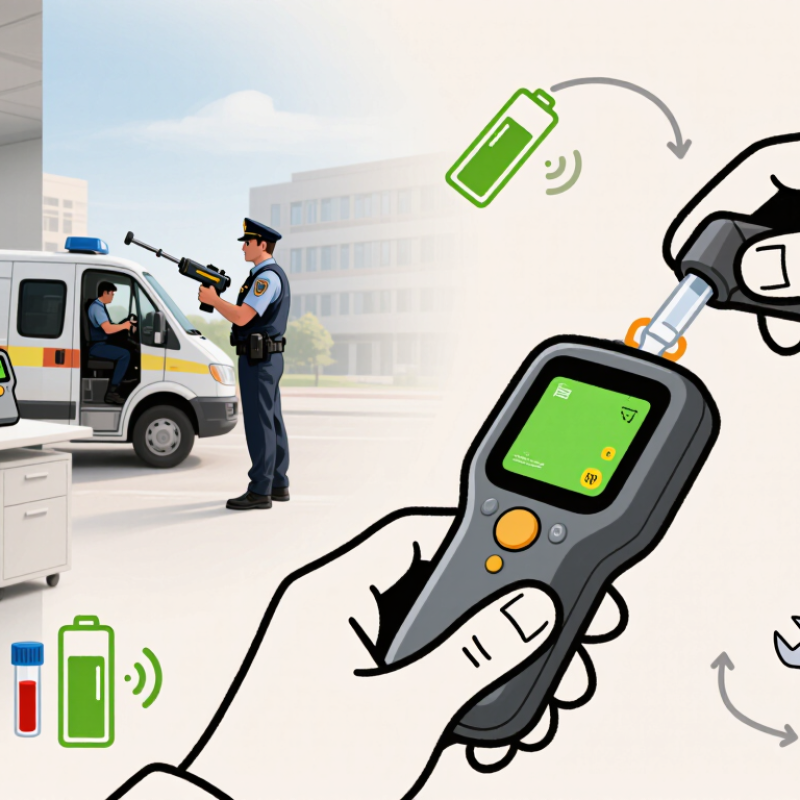
Identify the Intended Use and Substances to Be Detected
A portable drug detector is only as useful as its intended task. Decide whether you need to check medicine identity, screen incoming ingredients, or support quality checks in a clinic or warehouse. Then list the exact active ingredients and dosage forms involved. A detector validated for powdered material may perform differently on a coated tablet or liquid. Context matters.
The World Health Organization’s 2017 global surveillance report estimated that about one in ten medical products in low- and middle-income countries are substandard or falsified. That finding makes clear identification important, but a portable screening result is not a full laboratory analysis. Check whether the instrument’s reference library covers your target ingredients and whether it can distinguish similar compounds in the actual sample. A neat reading can still be misleading.
Picture a pharmacist checking a blister pack under ordinary room lighting, with limited time and no lab bench nearby. The device should be simple to operate, but also clear about uncertainty, sample preparation, and when results need confirmation. Ask for validation data on the specific substances and packaging you expect to encounter. Also consider whether staff can keep the library current. That part is easy to overlook.
