How to Choose the Best Wheelchair Accessible Vans for You?
Choosing the best wheelchair accessible vans is an important decision. It requires careful consideration of various factors. The right van can significantly impact mobility and independence for individuals with disabilities.
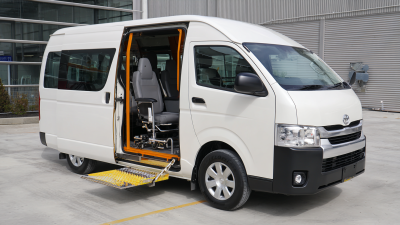
When selecting a wheelchair accessible van, think about your specific needs. Factors like the type of wheelchair, available space, and ramp options matter greatly. A van must be comfortable and easy to use. Many options exist, but not all will be suitable for everyone.
It’s essential to research reputable dealers. Look for those with a solid track record. Read reviews and seek recommendations. Remember, a good van can enhance your quality of life, while the wrong choice may lead to frustration. Ultimately, your unique situation should guide your decision-making process.
Understanding Your Mobility Needs and Requirements
Choosing the right wheelchair accessible van requires careful consideration of your specific mobility needs. Understanding your requirements ensures that you select a vehicle that meets your lifestyle. Consider how often you travel, the number of passengers, and the type of terrain you usually navigate. Each of these factors plays a crucial role in determining what features are necessary for your mobility.
The interior space is vital for comfort. Ensure the van allows easy entry and exit. Ramp types may vary, including those that are manual or automatic. Think about whether you have assistance when entering or if you prefer independence. Reflect on your daily challenges and how the vehicle can support you. Safety features are also non-negotiable. Look for proper restraints and secure storage for mobility aids.
These elements can feel overwhelming, and it’s okay to take your time. The best choice may not come immediately. Engage with various options and seek guidance from professionals in mobility solutions. The right fit is a balance of your requirements and available options. Don't hesitate to revisit your needs as they may change. Remember, it’s about what works best for you.
Evaluating Different Types of Wheelchair Accessible Vans
When evaluating different types of wheelchair accessible vans, consider various factors that affect usability and comfort. From ramp types to vehicle size, each option serves different needs. A report by the National Mobility Equipment Dealers Association highlighted that nearly 20% of wheelchair users find standard vehicles inadequate for their requirements. This statistic emphasizes the importance of choosing a van that accommodates personal mobility devices effectively.
Ramp systems can be either manual or automatic. Manual ramps are often less costly but may require more effort to operate. Automatic ramps offer convenience but can have maintenance issues. According to a study by the National Institute of Health, 25% of users experienced issues with automatic systems after a year of use. This statistic serves as a reminder to assess long-term reliability.
Space is another critical aspect. Smaller vans may be economical but can restrict movement. Larger vans provide more room but may affect fuel efficiency. The American Automobile Association notes that larger vehicles could average 20% lower fuel efficiency compared to compact models. Understanding the trade-offs is vital in making an informed decision. Balancing budget, convenience, and personal needs often leads to more satisfactory outcomes.
How to Choose the Best Wheelchair Accessible Vans for You?
| Type of Van |
Ramp Type |
Seating Capacity |
Conversion Cost ($) |
Ease of Use |
| Standard Van |
Foldable Ramp |
2-5 |
5,000 - 15,000 |
Moderate |
| Full-size Van |
Power Ramp |
5-7 |
20,000 - 40,000 |
Easy |
| Minivan |
In-Floor Ramp |
4-6 |
15,000 - 30,000 |
Very Easy |
| SUV Conversion |
Manual Ramp |
5 |
25,000 - 35,000 |
Moderate |
Key Features to Consider When Choosing a Wheelchair Van
When choosing a wheelchair accessible van, it's crucial to focus on key features that suit your needs. Experience shows that the size of the van matters. A spacious interior ensures adequate room for movement. Consider the weight capacity of the ramp as well. A robust ramp can support heavier wheelchairs and provide safety during use.
Another detail to reflect on is the type of access. Some vans offer side entry, while others have rear entry. Side entry allows for easier access in parking lots, but a rear entry might work better in tight spaces. Adjustability of the seats plays a role too. Look for features that let you modify seating positions for comfort.
Safety features should also be on your checklist. Anti-slip surfaces and secure locking systems can make a significant difference. It’s easy to overlook these details, but they can enhance the overall experience. Think about your daily routes. Are there obstacles you often face? Addressing these can guide you toward the right wheelchair accessible van. Your unique circumstances should drive your decision-making process.
Key Features of Wheelchair Accessible Vans
Comparing Costs and Financing Options for Accessible Vans
When considering a wheelchair accessible van, evaluating costs and financing options is crucial. Accessible vans come in various price ranges, often influenced by features and modifications. Factors include ramp types, seating configurations, and technology. Prices can vary significantly, and knowing your budget helps narrow choices.
Financing options for accessible vans can be puzzling. Many organizations offer grants and financial assistance. These can lighten the financial load, but the application process may be demanding. Potential buyers should explore loans specifically designed for accessible vehicles. Research these options to find favorable interest rates and terms.
Keep in mind that choices depend on individual needs and budgets. A more affordable van may lack some features, while a high-end model could strain finances. It's important to balance your needs and financial capabilities. Reflect on your lifestyle and how the van fits into it. Investing time in research is essential for making an informed decision.
Test Driving and Assessing Van Comfort and Usability
When test driving wheelchair accessible vans, comfort is essential. Start by examining the seating arrangement. Look for spacious areas that are easy to access. Imagine making daily trips or long journeys. A cramped space can affect your experience. Spend time getting in and out of the vehicle. Does it feel smooth or struggle? Assessing usability often comes down to these simple actions.
Next, evaluate driving comfort. Test the driver's seat. Is it adjustable? A supportive seat can make a significant difference. Pay attention to the controls. Are they easy to reach? How about visibility? A good view can enhance safety. Reflect on how you feel after a short drive. If you’re tense, the van may not be a fit.
Finally, observe additional features. Consider storage options for mobility aids. Think about the loading ramp’s ease of use. Sometimes, small details impact daily life the most. Don’t rush this process. Take your time and ensure the van meets all your needs.