How to Choose the Best Wheelchair Car for Your Needs?
Choosing the right wheelchair car can be overwhelming. The variety of options available today makes it essential to understand your needs. This vehicle should not only accommodate your wheelchair but also provide comfort and safety.
When selecting a wheelchair car, think about how you will use it daily. Will you need extra space for a companion? Consider features like automatic lifts and interior space. Each detail matters greatly, affecting your overall experience.
Many people overlook the importance of ease of access. A reliable wheelchair car should allow for smooth entry and exit. It's crucial to test different models to find the best fit. Your choice should reflect your lifestyle and preferences, alongside practicality and accessibility.
Understanding Your Mobility Needs and Preferences
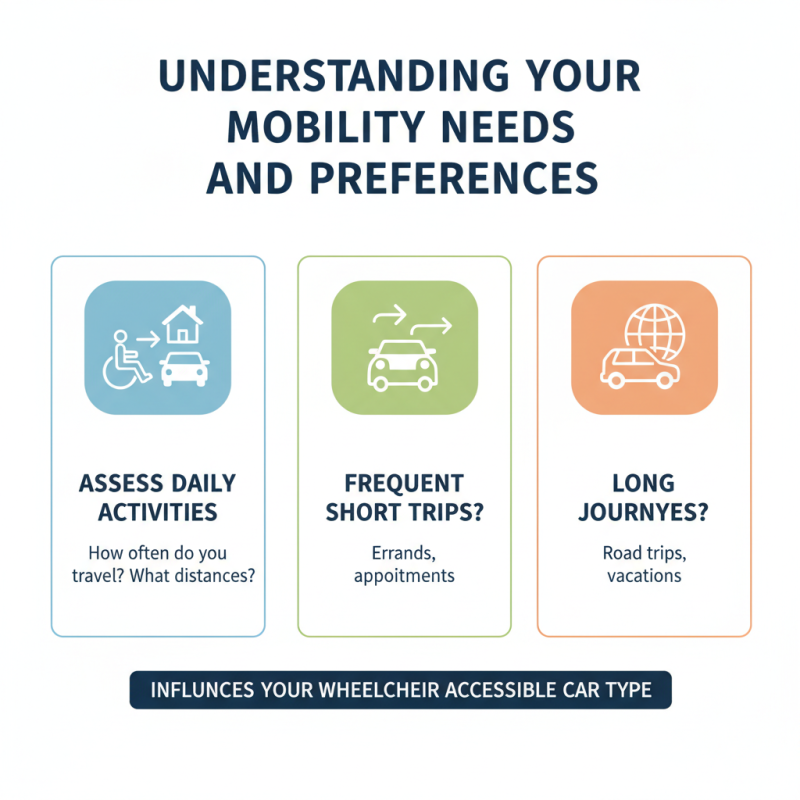
Understanding your mobility needs and preferences is crucial when choosing the best wheelchair car. Start by assessing your daily activities. How often do you travel? What distances do you cover? Consider whether you need a vehicle that supports frequent short trips or long journeys. These factors influence the type of wheelchair accessible car that suits you best.
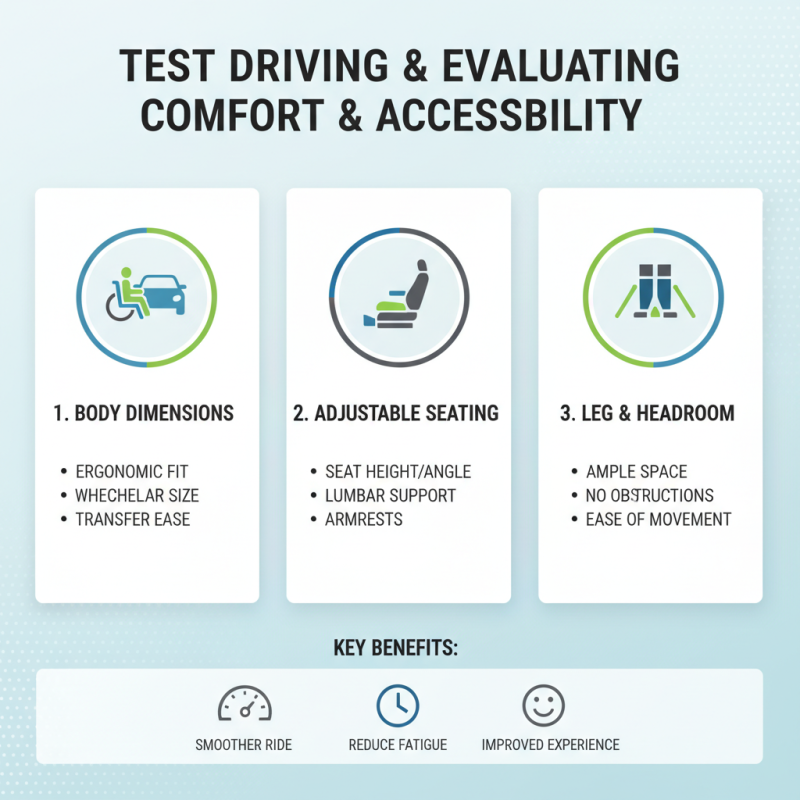
Evaluate your physical needs. Do you require a power wheelchair or can you use a manual one? This decision can impact space and modifications required in the vehicle. Also, think about how easy it is for you to transfer in and out of the car. Some options may not accommodate your specific requirements. Reflect on your comfort levels and whether you prefer a rear or side entry for easier access.
It's important to consider the layout of your lifestyle. Do you travel solo, or do you need to accommodate companions? Inconsistent transportation needs can lead to dissatisfaction. Take time to visit different models in person. Experience the accessibility features firsthand. It's easy to overlook practicalities when you're focused on aesthetics. Finding a reliable vehicle that meets your mobility needs may take time, but it is worth the effort.
Types of Wheelchair Accessible Vehicles Available
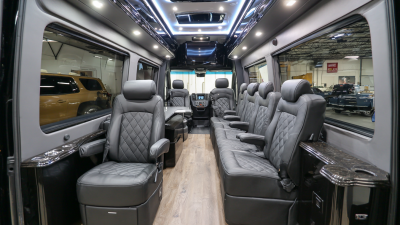
Choosing the right wheelchair accessible vehicle involves understanding various types available on the market. There are primarily three types: conversion vans, full-sized vans, and SUVs. Conversion vans are popular due to their flexible interiors. They can be customized with ramps or lifts. This makes entry and exit easier for wheelchair users.
Full-sized vans offer more space and comfort. They can accommodate larger wheelchairs and provide ample room for passengers. However, these vehicles can be bulkier and may not be suitable for every driver. SUVs also accommodate wheelchairs, but generally need custom modifications. Such modifications are crucial for proper safety and functionality.
When deciding, consider your daily needs and lifestyle. Think about how many passengers you regularly transport. Reflect on the weather conditions in your area. Some vehicles handle winter conditions better than others. Accessibility features might differ significantly among choices. Evaluating real-world functionality can help you determine what works best for you.
How to Choose the Best Wheelchair Car for Your Needs? - Types of Wheelchair Accessible Vehicles Available
| Vehicle Type |
Accessibility Features |
Capacity |
Ideal For |
| Minivan |
Ramp or lift for easy entry, ample space |
Up to 2 wheelchair users |
Family trips, everyday use |
| SUV |
Lowered floor, power ramp option |
1-2 wheelchair users |
Outdoor activities, sporty drive |
| Full-size Van |
High roof, multiple seating options |
3-4 wheelchair users |
Group transport, special events |
| Sedan |
Hand controls, low step-in height |
1 wheelchair user |
Urban commuting, single passenger |
| Pickup Truck |
Custom lift options, spacious bed |
1-2 wheelchair users |
Outdoor work, hobbies |
Key Features to Consider in a Wheelchair Car
When selecting the best wheelchair car, consider several key features that cater to your unique needs.
Space is essential for both the wheelchair user and caregivers.
A well-designed wheelchair vehicle should offer adequate room to maneuver, ensuring comfort during travels.
According to a report from the National Mobility Equipment Dealers Association, nearly 50% of people require a vehicle with a
turning radius that facilitates easy entry and exit.
Another crucial aspect is the type of wheelchair lift or ramp.
It should operate smoothly and safely. Manual lifts, though often less expensive, can be burdensome for many users.
Automatic systems provide convenience but may require more maintenance. Understanding how these mechanisms function is vital to making an informed choice.
Tips: Always test the lift or ramp before purchasing. A hands-on experience reveals potential challenges that specifications alone may not capture.
Lastly, consider features like adaptive seating and storage options.
Many users have reported struggling with limited space for personal items, highlighting the need for thoughtful design.
While not all wheelchair cars will meet every need, reflecting on your preferences will guide you toward a suitable option.
Assessing Budget and Financing Options for Wheelchair Vehicles
When considering a wheelchair-accessible vehicle, budget and financing options play a crucial role. According to the National Mobility Equipment Dealers Association (NMEDA), the average cost of a wheelchair van ranges from $25,000 to $60,000. This cost can vary based on features and modifications. Buyers should assess their financial capabilities.
Many individuals need financial assistance. Various financing options are available. Government grants, loans, and insurance coverage can help offset costs. Organizations like the United Spinal Association offer resources for funding. It's important to explore and compare all options. Evaluate each based on your needs and budget constraints.
The decision-making process can be overwhelming. Some may struggle to find the right balance between cost and functionality. Each person's situation is unique. Solutions may require creative thinking. For instance, considering gently-used vehicles can reduce financial pressure. Accessibility is not just a choice; it’s a necessity. Evaluating costs with a focus on personal needs is imperative.