How to Choose the Right Plastic Coating Machine?
Choosing the right Plastic Coating Machine can shape product quality, operating costs, and long-term production stability. The decision should begin with the material, coating purpose, and expected output, not with a machine’s advertised speed. A factory coating flexible film may need different equipment from a workshop treating metal sheets or electronic components. Film thickness, coating width, drying temperature, viscosity, and line speed all influence the final selection. Small details matter. A poorly matched roller can create streaks, uneven edges, or wasted coating.
Practical experience shows that reliable equipment must be evaluated beyond its basic specifications. Inspect the coating head, tension control, heating system, cleaning access, and spare-parts availability. Ask manufacturers for test results using your actual substrate and coating formula. Independent certifications, installation records, and responsive technical support also strengthen confidence. An experienced supplier should explain limitations clearly, rather than promise perfect results for every material. That honesty matters.
Budget deserves careful thought. A cheaper machine may require more manual adjustment, frequent cleaning, or costly upgrades later. However, the most expensive model is not automatically the best choice. Production volume, labor skills, workshop space, energy use, and future product changes should guide the investment. Leave room for uncertainty. Coating behavior can change with humidity, temperature, and operator technique. A sensible selection process compares measurable performance with real working conditions, while recognizing that even well-designed equipment may need adjustment after installation. The right machine supports consistent results, safer operation, and sustainable growth.
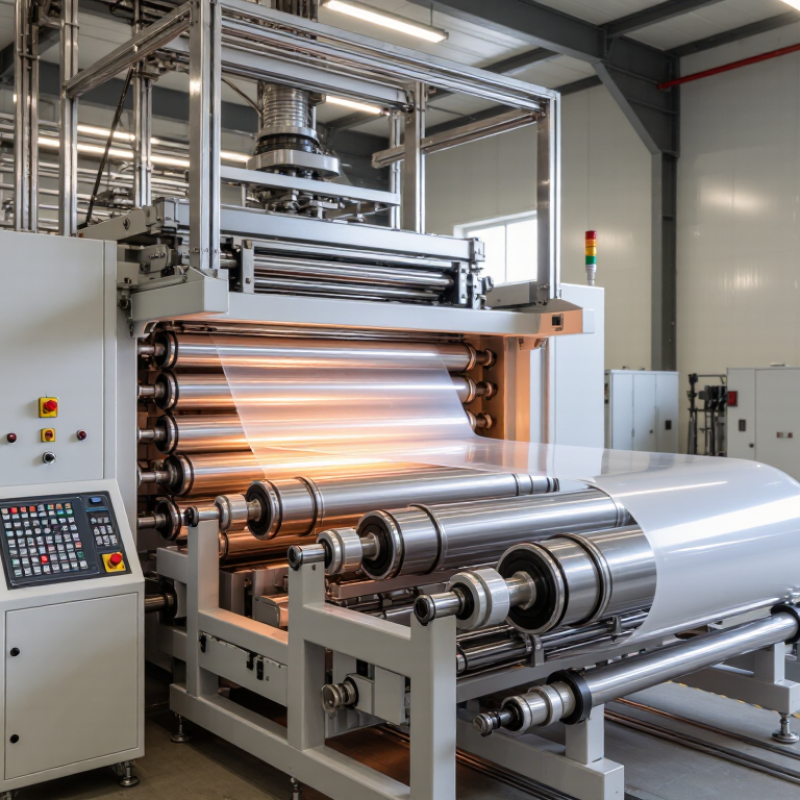
Define Coating Goals: 1–100 μm Thickness, Web Width, and Line Speed
How to Choose the Right Plastic Coating Machine?
Start by defining the coating target in measurable terms. A 1 μm film behaves very differently from a 100 μm layer. Thin coatings demand accurate metering, clean surfaces, and stable tension. Thick coatings may require stronger pumps, wider gaps, and longer drying zones. Specify whether thickness means wet or dry coating. This detail is often missed. It can distort equipment selection.
Record the web width, including trim margins and edge beads. A machine designed for a 500 mm web may not handle a 1,500 mm film reliably. Measure the actual substrate, not only the planned product size. Then set the required line speed. For example, 20 m/min may support a thick protective layer, while 100 m/min may suit a fast-drying primer. However, speed alone is not enough. Viscosity, solvent evaporation, coating uniformity, and drying capacity must work together. A faster line can create streaks, bubbles, or incomplete drying.
Use production data to build a realistic specification. Ask for thickness tolerance, width tolerance, and acceptable waste levels. Test samples at low, medium, and maximum speeds. Inspect them under angled light and measure thickness across the web. Calibrate the gauge before testing. It sounds basic, but skipped calibration can produce confident, incorrect results. Leave room for adjustment. Real materials rarely behave exactly like laboratory samples.