


How to Choose the Right TNC Cable Assembly?
Choosing the right Tnc Cable Assembly is not just a matter of matching connector ends. A cable may fit securely and still introduce excessive signal loss, poor shielding, or an unreliable connection. The details matter. A threaded TNC coupling can help resist loosening under vibration, but the complete assembly must suit the equipment and operating conditions.
Start with the system’s impedance, usually 50 ohms, and confirm its frequency range. Then consider cable type, length, connector gender, and the space available for installation. A long run of thin cable may cause more attenuation than expected. In a crowded equipment cabinet, a stiff cable can also place unwanted strain on its connector. Check manufacturer specifications for insertion loss, VSWR, shielding, temperature range, and bend limits. Where performance is critical, test the finished assembly in the intended setup. Datasheet values alone may not reveal every installation issue.
A useful selection principle is: “Match the assembly to the system, then verify it in its real operating conditions.” No source article or verifiable expert quotation was provided, so this introduction does not assign that line to a named specialist. That restraint matters; invented attribution can make technical guidance less trustworthy. Even careful selection has limits. Actual results depend on connectors, cable construction, routing, and installation quality. A small detail, such as a tight bend near the connector, can change the outcome.
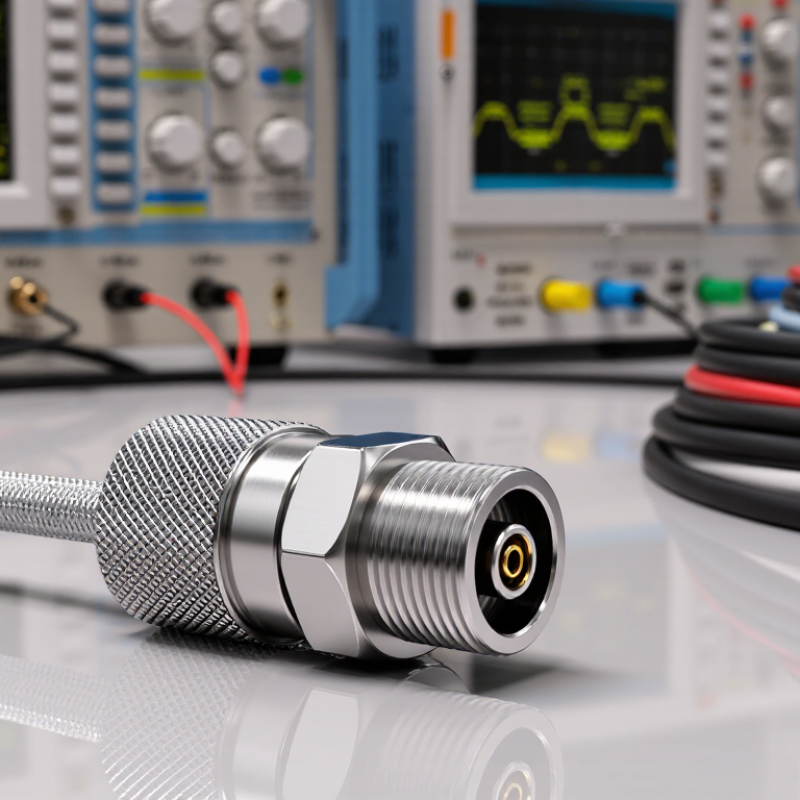
Define the Electrical and Mechanical Requirements
A reliable TNC cable assembly starts with the electrical job, not the connector alone. Record the system impedance, operating frequency, and peak power before comparing options. TNC assemblies are commonly 50 ohms, but 75-ohm versions exist; confirm that both ends match the equipment. Small mismatches matter. At higher frequencies, request insertion-loss and return-loss data across the full operating band, not just at one test point. Check shielding and connector sealing if the cable will run near motors, outdoors, or through damp enclosures. Power ratings can also change with frequency, temperature, and cable length.
Next, map the cable’s actual route. Note its required length, the space behind each panel, and any tight bends near the connectors. A cable that fits on a bench may kink inside a cabinet. Respect the cable maker’s minimum bend radius, and consider strain relief where vibration or repeated movement could pull on the TNC interface. Measure twice. Connector gender, straight or right-angle orientation, and bulkhead mounting details can affect whether the assembly fits without twisting.
Temperature range, jacket durability, and exposure to oil or moisture deserve attention too. Specify these conditions rather than choosing a cable by appearance. In practice, one requirement is easy to overlook: installation access. A connector may meet every electrical target yet be awkward to tighten in a crowded rack. That trade-off is worth reviewing before ordering, even when the final route is not perfectly predictable.
