How to Choose Wax Candles for Wholesale Buyers?
Choosing Wax Candles for wholesale can look simple until the first shipment arrives. A warm fragrance, smooth surface, and attractive label may impress buyers, but these details do not prove consistent quality. Wholesale decisions require closer inspection. The wax blend, wick design, burn performance, container safety, packaging strength, and supplier reliability all affect customer satisfaction and repeat orders.
Start with the product’s intended market. A boutique may prefer hand-poured soy candles with subtle scents, while hotels often need clean branding and dependable batch consistency. Request samples before approving large quantities. Burn each sample in a controlled room, record the scent throw, observe the flame, and check whether the container becomes excessively hot. Small differences matter. A candle that tunnels after two hours can create returns and damage trust.
Cost is important, but the lowest quotation may hide weak packaging, unstable fragrance quality, or limited support. Ask suppliers about wax composition, fragrance load, wick testing, production capacity, lead times, and quality checks. Review product photos carefully, yet trust physical samples more. They reveal issues that polished images cannot show.
There is no perfect formula. Buyers may still misjudge demand or choose a scent that performs well technically but sells slowly. That risk deserves attention. A practical purchasing process should compare samples, supplier records, packaging tests, and customer preferences before scaling orders. Reliable Wax Candles are not selected by appearance alone. They are chosen through evidence, careful questions, and a willingness to reconsider early assumptions.
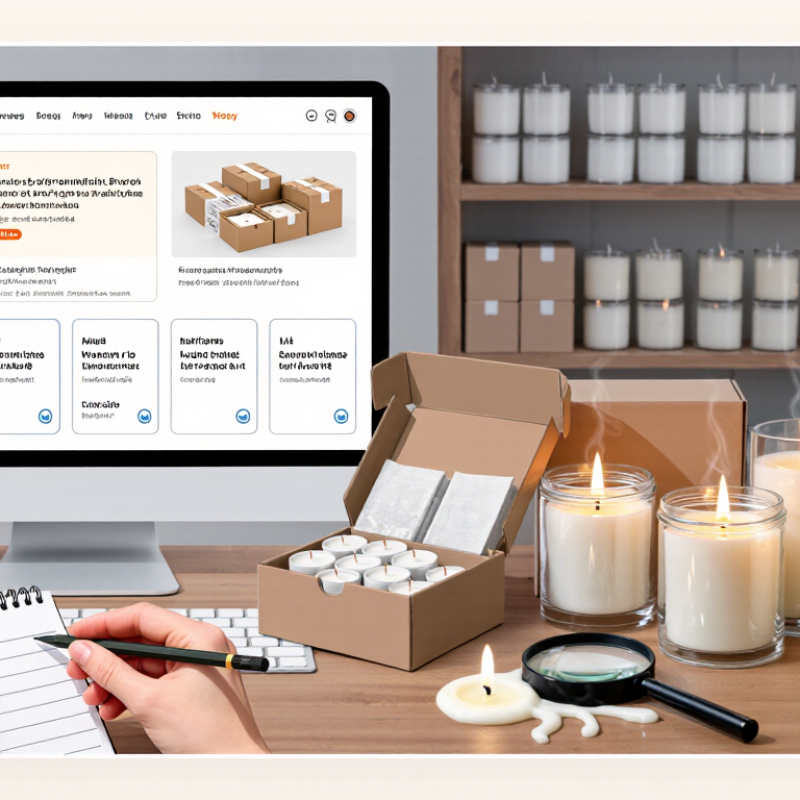
Define Wholesale Demand with NCA’s 7-in-10 Household Usage Data
How to Choose Wax Candles for Wholesale Buyers?
The National Candle Association (NCA) reports that seven in ten U.S. households use candles. This figure changes wholesale planning. Candles are not rare gift items. They are recurring household products for relaxation, decoration, and fragrance.
For buyers, demand should guide wax selection. Soy wax suits customers seeking a softer, natural-looking finish. Paraffin wax usually delivers stronger scent throw and sharper molded details. Blended wax can balance appearance, cost, and burn performance.
Still, wax alone does not decide quality. Wick size, fragrance load, jar diameter, and curing time must work together.
Check real samples before placing large orders. Burn each candle for four hours, then inspect soot, tunneling, flame height, and container heat. ASTM candle-safety standards provide useful testing references, while consumer-safety agencies publish recall data that highlights recurring risks.
Packaging also deserves attention. A carton exposed to heat may soften wax surfaces during transport.
Small details become expensive quickly.
NCA consumer research supports broad household demand, but it does not guarantee every style will sell. That distinction is easy to miss. Review sales by scent family, vessel size, season, and price tier.
A 2023 global candle market analysis also identified home fragrance and decorative use as major demand drivers, although market estimates vary by methodology. I would keep the first order flexible, because the most attractive sample can still perform poorly on a crowded shelf.