Why Choose Wheelchair Vans for Accessible Transportation Needs?
In recent years, the demand for accessible transportation has surged, particularly among individuals with mobility challenges. Wheelchair vans have emerged as a crucial solution for those requiring safe and convenient travel options. According to a report by the National Institute on Disability, Independent Living, and Rehabilitation Research (NIDILRR), approximately 3.6 million Americans use a wheelchair for mobility, highlighting the critical need for transport services tailored to their unique requirements.
These specialized vehicles provide essential features that traditional cars often lack, such as ramps and securement systems designed specifically for wheelchair users. Statistics from the United States Department of Transportation indicate that accessible transportation options significantly improve independence and quality of life for individuals with disabilities. Furthermore, wheelchair vans are increasingly being equipped with cutting-edge technology to enhance user experience, ensuring that mobility limitations don't hinder meaningful participation in everyday activities.
Choosing wheelchair vans over other forms of transportation enables individuals to travel confidently, without the added stress of accessibility challenges. As society becomes more aware of the importance of inclusivity, the integration of wheelchair vans into public and private transport systems reflects a growing commitment to meeting the diverse needs of all community members.

Understanding the Importance of Accessible Transportation Solutions
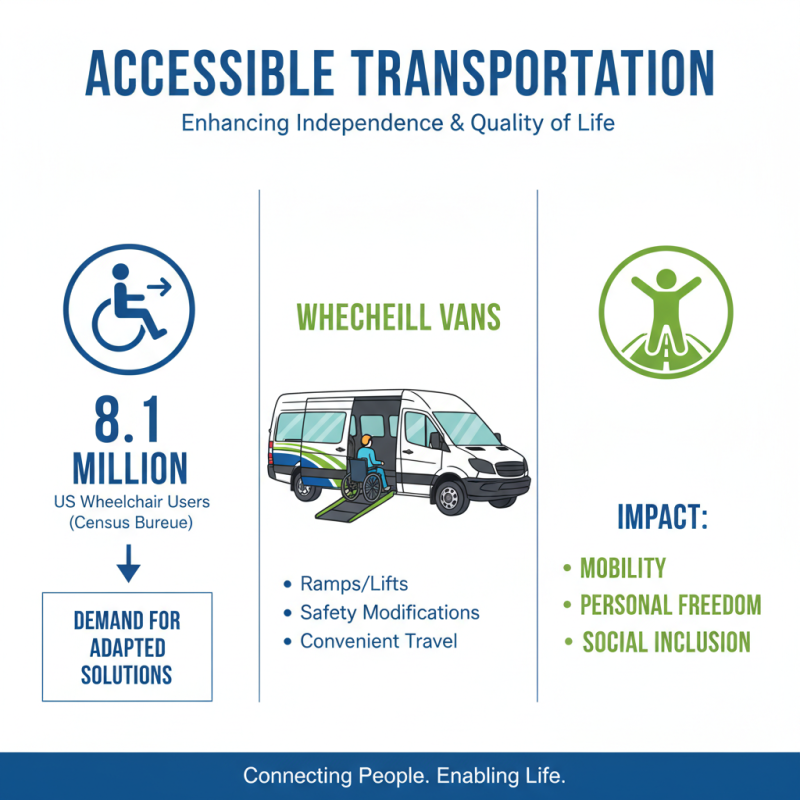
Accessible transportation is vital for individuals with mobility challenges, impacting their quality of life and independence. According to the U.S. Census Bureau, approximately 8.1 million people in the United States use a wheelchair, highlighting a significant demand for transportation solutions that accommodate their needs. Wheelchair vans offer a practical solution, equipped with ramps, lifts, and modifications that ensure safe and convenient travel. These vehicles not only enhance mobility but also provide personal freedom, allowing users to participate in social activities, work, and family gatherings.
When considering accessible transportation, it’s crucial to focus on specific features that promote safety and comfort. A report from the National Highway Traffic Safety Administration emphasizes the importance of securement systems for wheelchair users, as proper restraint can significantly reduce the risk of injury in transit. Furthermore, integrating accessible features, such as adjustable seating and spacious interiors, can greatly improve the overall experience for passengers.
Tips for selecting the right wheelchair van include assessing individual mobility needs and testing out various models to ensure usability. It's also advisable to inquire about training for caregivers and users on how to operate the equipment safely. Additionally, considering the total cost of ownership – including maintenance, insurance, and potential modifications – can lead to a more informed decision and long-term satisfaction.
Key Features of Wheelchair Vans for Enhanced Mobility
Wheelchair vans play a pivotal role in enhancing mobility for individuals with disabilities, ensuring that they have access to transportation tailored to their needs. These specially designed vehicles come equipped with features that significantly improve the travel experience. One of the most critical elements is the ramp or lift system, which allows for easy entry and exit. According to a report by the National Mobility Equipment Dealers Association, over 7 million Americans rely on wheelchairs, highlighting the importance of accessible transportation solutions.
In addition to ramps, wheelchair vans often feature tie-down systems to securely hold wheelchairs in place during transit. This added safety measure is crucial, as it prevents movement that could lead to injuries. Furthermore, many wheelchair vans incorporate spacious interiors that allow for comfortable seating arrangements and maneuverability within the vehicle. A study conducted by the National Center for Medical Rehabilitation Research indicates that accessible transportation is a key factor in improving the overall quality of life for individuals with mobility challenges, enabling them to participate more fully in community activities.
Tips for choosing the right wheelchair van include assessing the individual's specific mobility needs and considering the frequency of use. It's essential to ensure that the ramp or lift meets both the logistical and physical needs of the wheelchair user. Additionally, exploring available financing options can ease the financial burden that comes with acquiring these essential vehicles. Understanding local regulations regarding accessible transportation can also aid in selecting the best options for personal circumstances.
Comparing Wheelchair Vans with Other Transportation Options
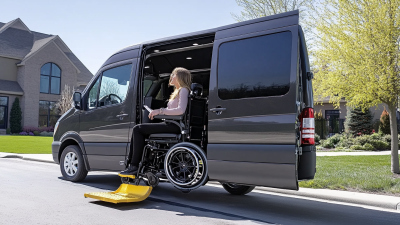
When considering accessible transportation options for individuals with mobility challenges, wheelchair vans stand out for their unique features and practicality. Unlike standard vehicles, wheelchair vans are specifically designed to accommodate wheelchairs and other mobility aids, providing a safe and comfortable environment for passengers. With ramps and lifts that allow easy access, these vans eliminate the struggle of navigating steep steps or narrow doors, making the boarding process hassle-free.
In contrast to traditional taxis, ride-share services, or public transportation, wheelchair vans offer a tailored solution that prioritizes the needs of those with disabilities. While taxis may require advance arrangements for accessible vehicles, wheelchair vans can be dedicated to individuals or groups, ensuring consistent availability. Public transport, although increasingly equipped with accessible options, may still present challenges in terms of waiting times and route limitations. Therefore, wheelchair vans provide a more reliable and user-friendly alternative, allowing for greater freedom and flexibility in travel.
Why Choose Wheelchair Vans for Accessible Transportation Needs?
This chart compares user satisfaction levels across different transportation options for accessible needs. Wheelchair vans hold the highest satisfaction rating, indicating their effectiveness in meeting the needs of users, followed by ride-sharing services, standard cars, and public transport.
The Benefits of Customization in Wheelchair Vans
Customization in wheelchair vans significantly enhances their functionality and user experience, addressing the diverse transportation needs of individuals with mobility challenges. According to the National Mobility Equipment Dealers Association (NMEDA), approximately 68% of wheelchair van users report improved quality of life through personalized modifications tailored to their specific needs. Custom features can include ramp types, seating configurations, and additional safety devices, making it easier for users to navigate their environments comfortably and independently.
Moreover, industry reports indicate that customized wheelchair vans can lead to safer travel. Vehicles designed with features such as securement systems for wheelchairs and adaptive driving controls minimize the risk of accidents and ensure a secure ride. A study from the Rehabilitation Engineering and Assistive Technology Society of North America (RESNA) highlights that users of customized vans experience a 40% reduction in accidents during road travel compared to those using standard vehicles. This emphasis on safety, combined with the ability to meet individual requirements, underscores the importance of customization in supplying effective and accessible transportation solutions for all users.
Tips for Selecting the Right Wheelchair Van for Your Needs
When selecting the right wheelchair van for your needs, it's essential to consider several key factors to ensure comfort and accessibility. First, assess the size of the van. Depending on the individual’s wheelchair and the number of passengers, you'll need to determine if a compact model suffices or if a larger van that can accommodate multiple passengers and equipment is necessary. Additionally, consider the wheelchair's specifications, such as its weight and dimensions, to ensure that the chosen van can effortlessly transport the wheelchair without any hassle.
Another critical aspect is the type of ramp or lift system. Choose between a manual or automatic ramp based on user preference and frequency of use. Automatic systems offer added convenience, especially for those who may have difficulty operating a manual ramp. It’s also vital to look for features such as secure tie-downs and safety restraints to ensure the wheelchair and its occupant are securely positioned during transit. Testing the van's accessibility features, such as the height of the entry point and overall maneuverability, can make a significant difference in daily usage and provide peace of mind when on the road.