


What Is Clear PVC Film and What Is It Used For?
Clear Pvc Film is a transparent, flexible sheet used when people need a view through a protective layer. It may appear in packaging, table covers, curtains, document sleeves, and craft projects. Look closely, and the material is not simply “clear plastic.” Its thickness, flexibility, surface finish, and additives can differ between products. Those details affect how it handles and where it performs well.
A thin sheet may bend easily around a package, while a heavier grade can feel more substantial on a work surface. Some versions are designed for indoor use; others may tolerate specific outdoor conditions. Check the product specifications rather than assuming every clear PVC film resists heat, sunlight, or chemicals. It may not. Clarity can also change with scratches, folds, or age, which matters when appearance is important. Small details count.
This guide explains what Clear Pvc Film is, how it is made in general terms, and which properties help distinguish one grade from another. It also explores common uses and practical considerations, such as thickness, handling, and maintenance. The best choice depends on the job, not just the label. A film that works well as a temporary cover may be unsuitable for a different application. Even familiar materials deserve a second look.
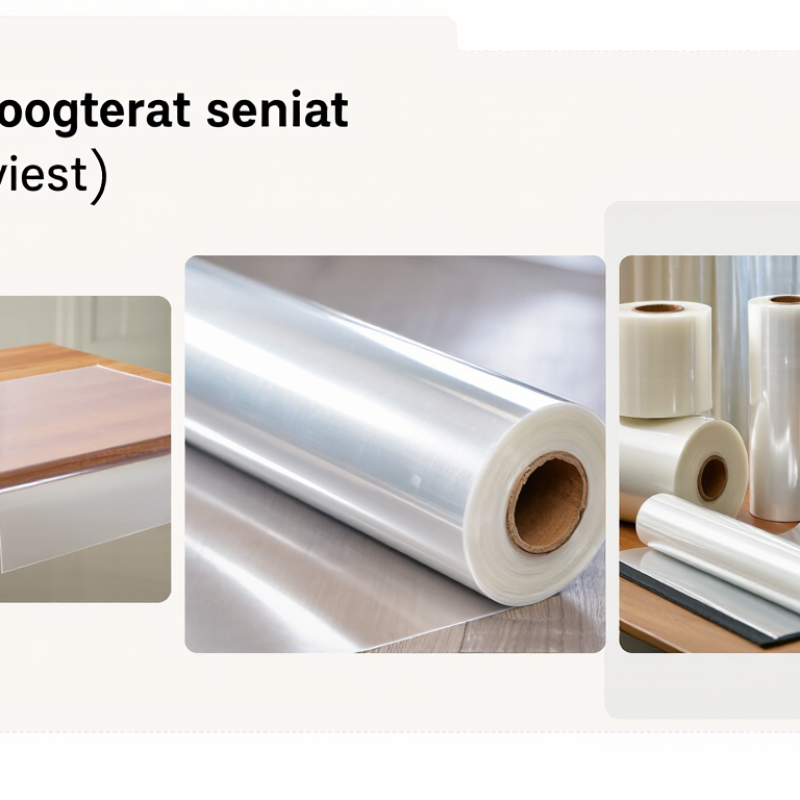
What Clear PVC Film Is and How It Is Made
Clear PVC film is a transparent sheet made from polyvinyl chloride resin. It can be flexible or semi-rigid, depending on its formulation. The European Council of Vinyl Manufacturers reports that PVC resin is about 57% chlorine and 43% ethylene by mass. That composition helps explain why the resin needs processing aids before it becomes a usable film. The resin alone is not the finished material.
Manufacturers blend PVC resin with heat stabilizers and lubricants, then melt and shape the compound. Flexible grades may also contain plasticizers. The molten material is commonly passed through heated rollers, a process called calendering, or pushed through a flat-die extruder. Cooling sets the film’s thickness and surface. Small variations matter. Trapped air, uneven mixing, or roller marks can make clear film look cloudy or streaked.
Clear PVC film is used for packaging, protective covers, stationery, and flexible windows. Its transparency makes contents easy to inspect, while its surface can be cut or sealed for specific applications. But “clear” does not mean optically perfect. Film performance depends on thickness, additives, and manufacturing control; buyers should check the intended use rather than rely on appearance alone. Industry descriptions often present PVC as highly adaptable, though the trade-off between flexibility, clarity, and stiffness deserves closer attention.
