What Is an E Cigarette Pen and How Does It Work?
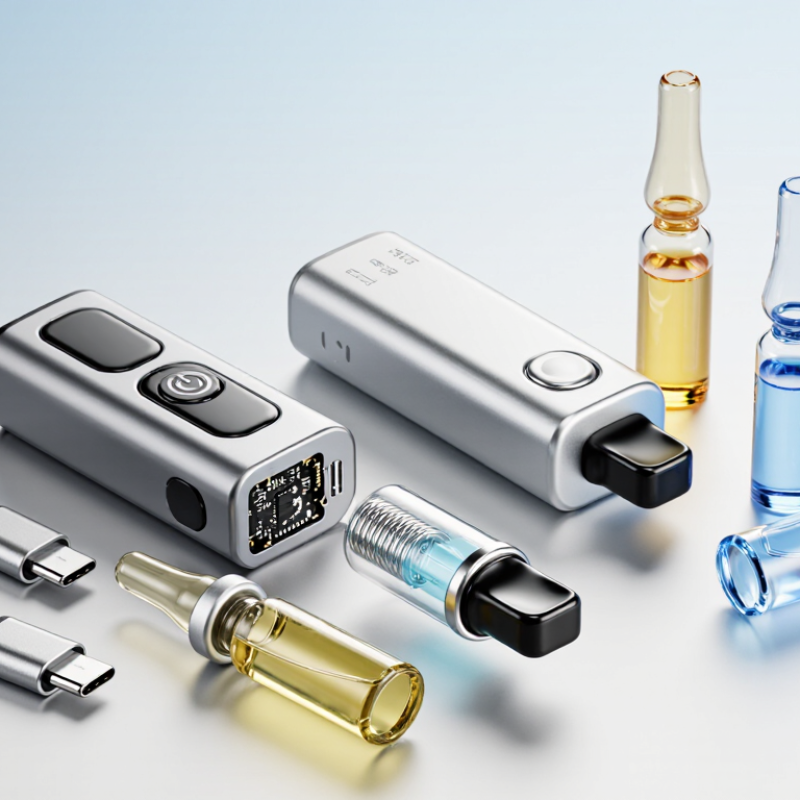
An E Cigarettes Pen is a compact electronic device designed to heat a liquid and produce an inhalable aerosol. Unlike traditional cigarettes, it does not burn tobacco. Its main parts usually include a rechargeable battery, a control chip, a heating coil, a reservoir, and a mouthpiece. Some models use refillable cartridges, while others use sealed pods.
The process is simple. Pressing a button, or inhaling, activates the battery. Electricity then heats the coil. The coil warms the liquid, which may contain nicotine, flavorings, vegetable glycerin, and propylene glycol. The user inhales the resulting aerosol through the mouthpiece. No flame is involved.
Dr. Konstantinos Farsalinos, a physician and tobacco-harm researcher, has stated, “Electronic cigarettes are by far less harmful than smoking, but they are not harmless.” That distinction matters. An E Cigarettes Pen can expose users to nicotine and other substances, depending on its ingredients and temperature. It is not merely flavored water.
Device quality also varies. A poorly maintained coil may taste burnt, while an old battery can become unreliable. Small details matter, such as charging on a hard surface and following the manufacturer’s instructions. Regulations and product standards differ by location, so consumers should check trusted health agencies and legal requirements.
This explanation is practical, but not perfect. Research continues, and long-term effects remain incompletely understood. The safest choice for non-users is not to start. Understanding the mechanism helps readers assess claims more carefully.
What Is an E-Cigarette Pen?
What Is an E-Cigarette Pen?
An e-cigarette pen is a small electronic device that creates an inhalable aerosol. It usually has a rechargeable battery, a heating element, and a cartridge or tank. The cartridge contains a liquid mixture, often with nicotine, flavorings, and other ingredients. Unlike a traditional cigarette, it does not burn tobacco.
When a user activates the device, the battery sends power to the heating element. The element warms the liquid and produces an aerosol. Some pens use a button, while others activate when the user draws on the mouthpiece. The process happens within seconds. It can feel simple, but the technology is not harmless or risk-free.
The word “vapor” can be misleading. The aerosol may contain fine particles and chemicals that enter the lungs. Its composition also depends on the liquid, temperature, device condition, and usage pattern. A damaged coil may produce an unpleasant taste, but taste alone cannot confirm safety. This is where explanations often become too confident. Evidence continues to develop, and long-term effects remain an important research question. People who do not use nicotine should not begin using an e-cigarette pen, and current users should seek reliable health advice before changing their habits.
What Is an E Cigarette Pen and How Does It Work? - What Is an E-Cigarette Pen?
| Dimension | Typical Information | How It Relates to Use |
|---|---|---|
| Definition | A handheld electronic device that heats a liquid to create an inhalable aerosol. | It does not burn tobacco, but the aerosol can still contain nicotine, flavoring chemicals, and other substances. |
| Main components | Battery, heating coil, liquid reservoir or cartridge, mouthpiece, airflow path, and control electronics. | Each part supports power delivery, liquid storage, aerosol production, or inhalation. |
| Power source | Usually a rechargeable lithium-ion battery; some devices use a non-rechargeable battery. | Battery capacity and power settings affect operating time, heating speed, and aerosol volume. |
| Heating process | Electrical current passes through a resistive coil, which heats the liquid-soaked wick. | The heated liquid becomes an aerosol that is drawn through the mouthpiece. |
| Liquid ingredients | Common ingredients include propylene glycol, vegetable glycerin, flavorings, and optionally nicotine. | Ingredient ratios influence throat sensation, vapor density, and flavor delivery. |
| Nicotine content | Nicotine strength varies by liquid and may be listed in milligrams per milliliter or as a percentage. | Higher labeled strength generally means more nicotine is available in the liquid, but actual intake varies with device settings and user behavior. |
| Activation method | Devices may activate through a draw-activated sensor, a manual button, or both. | The activation system controls when the battery sends power to the heating coil. |
| Temperature and power control | Basic pens often provide fixed output, while more advanced devices may offer adjustable wattage or temperature settings. | Higher power can increase aerosol production but may use liquid and battery charge more quickly. |
| Heating coil lifespan | A replaceable coil commonly lasts from several days to a few weeks, depending on use and liquid composition. | A burnt taste, reduced aerosol, or leaking can indicate that the coil or wick needs replacement. |
| Charging time | Many small rechargeable devices take approximately 30 minutes to 2 hours to charge, depending on battery size and charger output. | Charging time is not universal and should follow the device manufacturer’s instructions. |
| Aerosol composition | The aerosol may contain nicotine, ultrafine particles, volatile organic compounds, flavoring chemicals, and trace metals. | Aerosol is not harmless water vapor, and exposure can affect both users and people nearby. |
| Health considerations | Nicotine is addictive and can affect brain development in adolescents and young adults; inhaled aerosol may irritate the respiratory system. | People who do not use tobacco or nicotine products should not start using e-cigarettes. |
| Safety precautions | Keep batteries and liquid away from extreme heat, water, children, and pets; use the correct charger. | Nicotine liquid can be toxic if swallowed or absorbed through skin, and damaged batteries may present fire or explosion hazards. |
| Disposal | Devices and batteries should be handled through appropriate electronic-waste or battery-recycling programs. | Do not place lithium-ion batteries or intact electronic devices in ordinary household trash or recycling bins. |