


7 End Dump Truck Buying Tips for Global Buyers
Buying an End Dump Truck for an overseas operation is not just a price comparison. Payload, axle layout, body volume, and unloading conditions all affect daily performance. A truck suited to quarry work may struggle on narrow routes or soft ground. Small details matter. The right choice depends on the job, not simply the largest capacity or lowest quote.
Before comparing suppliers, define the material you will haul, typical load weight, road conditions, and expected operating hours. Ask for verified specifications, including rated payload, body dimensions, hoist details, and axle configuration. Check what parts are available locally and how service support will work after delivery. Photos help, but they cannot replace a careful inspection or clear written documentation. Confirm that the proposed configuration matches your needs and the requirements of your destination market.
These seven buying tips are designed to help global buyers ask better questions and compare offers more consistently. A quote can look attractive while leaving important costs unclear, such as shipping, commissioning, or spare parts. No checklist removes every risk, and specifications can seem clearer on paper than they feel in daily work. That is worth admitting. Use the guidance as a starting point, then verify key details directly with the manufacturer or a qualified local specialist. A considered purchase may take longer, but it can prevent avoidable downtime and costly mismatches.
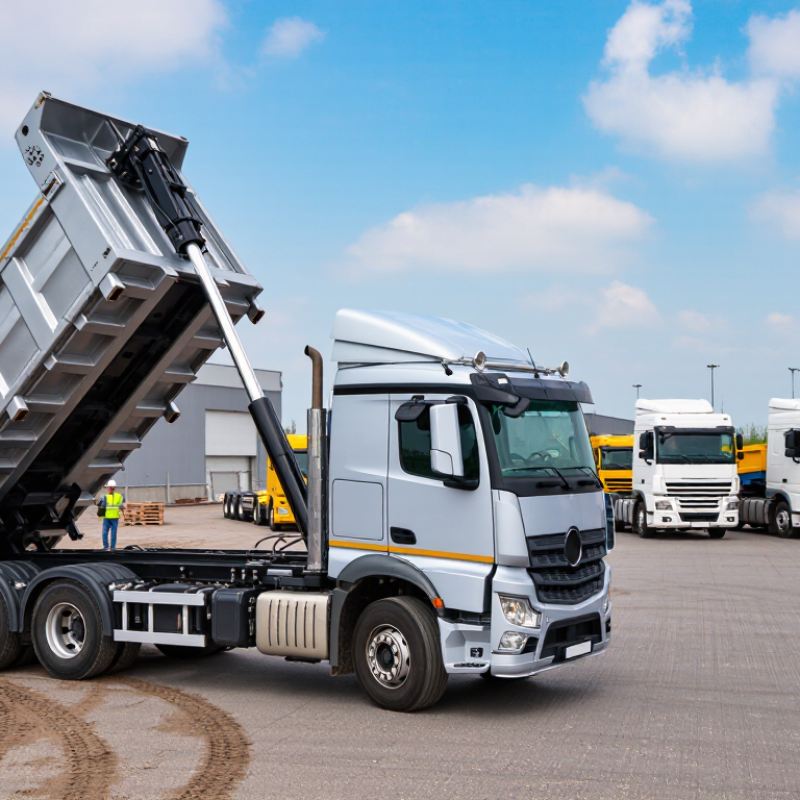
Define Your Hauling Needs and Operating Conditions
Before choosing an end dump truck, map the work it will actually do. Record typical payload weight, daily trips, and the materials’ density; a truck filled with wet soil behaves differently from one carrying loose aggregate. Check loading equipment, unloading space, and turnaround time at each site. Measure the route, too. Narrow gates, steep grades, soft ground, and low bridges can affect truck size and body choice.
Tip: Match capacity to the job, not the best-case estimate. Compare expected loads with the truck’s rated payload and local weight limits. Frequent overloading can increase wear, braking distance, and tire stress. If loads vary, ask an experienced fleet mechanic or equipment supplier to review your estimates. Their advice should reflect your routes and maintenance resources.
Climate and road conditions matter as much as payload. Cold mornings can affect starting and hydraulics; heat and dust can raise cooling and filtration demands. Consider how often the truck will travel on paved roads versus rough worksite tracks. A larger body may seem efficient, but it can be awkward where turning room is limited. I would recheck these assumptions after a week of real operating data; early estimates are often imperfect.
