


Top Feyree EV Chargers in Malaysia for Global Buyers
Choosing an electric vehicle charger in Malaysia involves more than comparing headline power ratings. Buyers should check connector compatibility, charging speed, cable length, and the vehicle’s onboard charging limit. A charger rated for higher output cannot make every car charge faster. Small details matter. A long cable can reach a driveway parking spot, while a clear display helps users check charging status at a glance.
This guide introduces Feyree Ev Charger Malaysia options for local and international buyers. It focuses on practical questions: where the charger will be installed, how often it will be used, and whether the product documentation explains its features clearly. Malaysia’s heat and heavy rain also make enclosure ratings and installation conditions worth reviewing with a qualified installer. For overseas buyers, verify plug standards, supply requirements, warranty coverage, and after-sales support before ordering. Availability and specifications can change, so confirm them with the seller. No shortlist is perfect. A model that suits a home garage may not fit a shared parking area or a buyer’s local electrical setup. The following overview aims to help readers compare carefully, rather than choose by price or power alone.
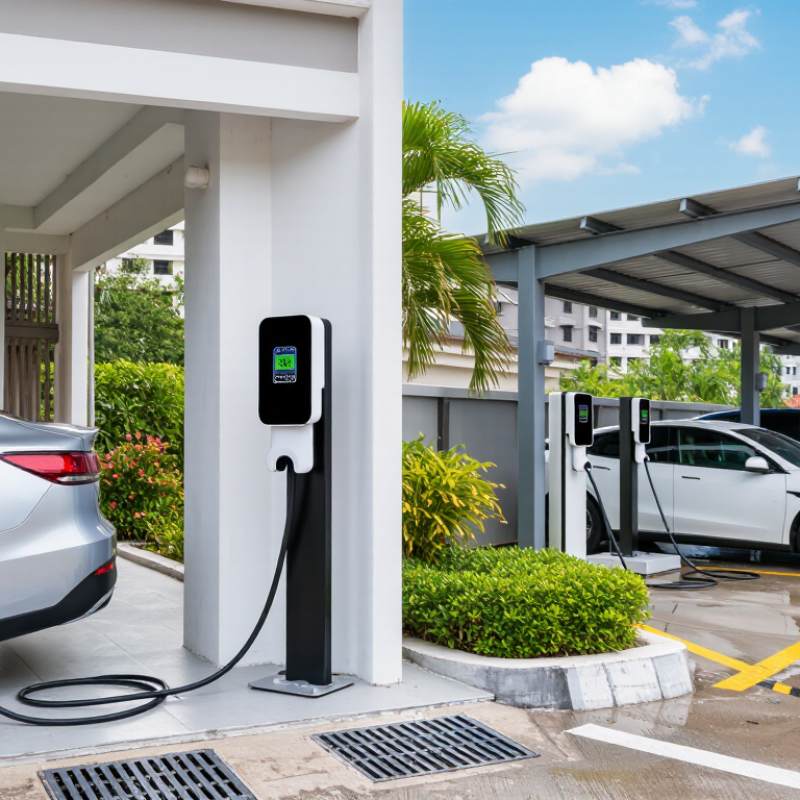
Feyree EV Chargers: Brand Overview and Malaysia’s Charging Market
Malaysia’s EV charging market is growing, but public access remains uneven between major cities and smaller towns. Malaysia’s National Energy Transition Roadmap set a target of 10,000 public charging points by 2025. The International Energy Agency reported that global public charging points grew by about 40% in 2023, passing four million. These figures show momentum, not universal convenience. Drivers still need to check charger locations, connector compatibility, and operating conditions before travelling.
For global buyers, a portable AC charger can offer flexibility at home, work, or a destination with a suitable outlet. Look closely at adjustable current, clear status indicators, cable length, and weather protection. These details matter beside a rainy parking bay or a wall socket far from the car. Still, portable charging depends on the available electrical supply and is not a substitute for fast public charging. Small details matter. A product overview should also state its tested safety features and supported vehicle standards, rather than relying on vague performance claims. IEA market data is useful context, but local installation advice deserves equal attention. That part is easy to overlook.
