


How to Choose the Best Smoke Alarm for Your Market?
Choosing the best Smoke Alarm for your market requires more than comparing prices and battery claims. Real-world performance depends on housing design, cooking habits, climate, installation practices, and local safety requirements. A device suited to a quiet apartment may perform poorly in a humid workshop or a busy family kitchen.
Start with the risk profile of the people and buildings you serve. Photoelectric alarms often respond well to slow, smoldering fires, while other sensing technologies may detect rapidly developing flames more effectively. Some models combine both approaches. Consider false alarms, too. Frequent alerts from steam or cooking can lead residents to remove the alarm, which creates a serious safety gap.
Look for clear test records, dependable manufacturing, and certification accepted in your target region. Check alarm volume, low-battery warnings, sealed battery life, wireless interconnection, and maintenance access. A practical evaluation should include sample installations, user feedback, and repeated testing under realistic conditions.
Details matter.
A smooth sales presentation is not proof of reliability. A low-cost unit may become expensive after replacements, returns, and support calls. Even experienced buyers can overlook language barriers, ceiling layouts, or limited mobility among users. Review technical documents carefully, consult qualified fire-safety professionals, and verify current local requirements before selecting a product line. The “best” Smoke Alarm is not universal. It is the model that offers credible protection, understandable operation, and consistent performance for the specific market it serves.
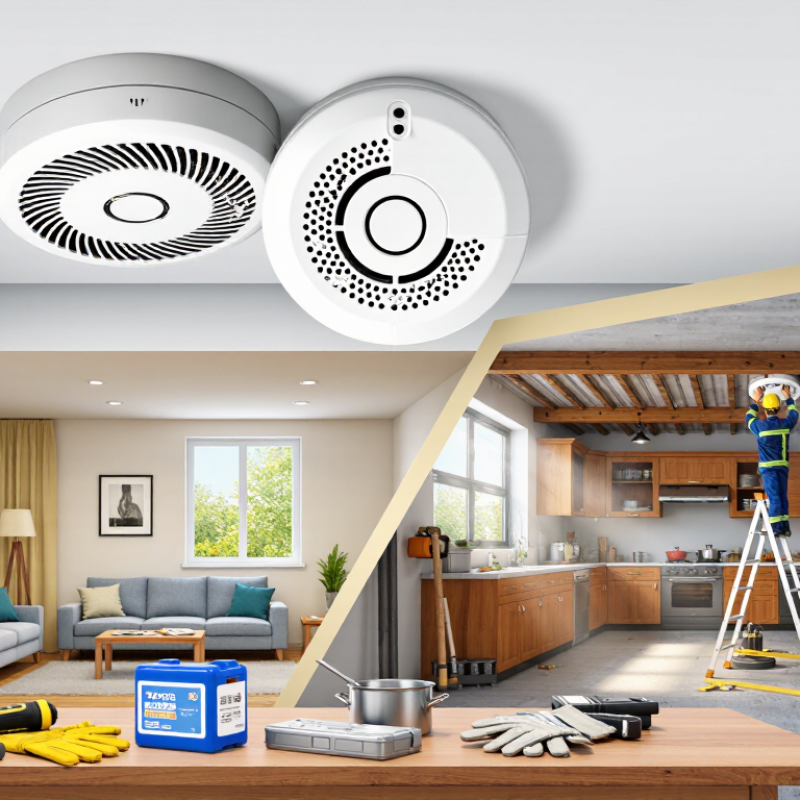
Map Market Hazards and Codes Before Selecting a Smoke Alarm
How to Choose the Best Smoke Alarm for Your Market?
Map Market Hazards and Codes Before Selecting a Smoke Alarm
A suitable smoke alarm begins with a clear map of local hazards. Identify kitchens, workshops, sleeping areas, garages, and dusty storage rooms. Each space can produce different smoke patterns. Cooking vapour may trigger nuisance alarms, while fine dust can block sensing chambers. Map it carefully.
Review local building codes and fire safety requirements before comparing alarm features. Requirements may differ by property type, room use, housing density, and regional authority. Check approved certification marks, placement rules, interconnection needs, and testing intervals. Codes vary. That matters.
On site, observe ceiling height, airflow, humidity, and likely maintenance access. A high ceiling may need different placement than a narrow hallway. In a humid coastal market, moisture resistance deserves attention. In a cold warehouse, temperature limits may affect reliability. These details are easy to overlook.
A practical assessment should include interviews with installers and facility managers. They can reveal recurring false alarms, inaccessible devices, or confusing test controls. Written specifications alone may miss those problems. I have found that a neat hazard map can still be incomplete when occupants change room use. Leave room for review.
Select the alarm only after matching its sensing method and operating limits to the mapped conditions. Confirm performance documents through recognized testing bodies and verify the latest local requirements with the responsible authority. Field checks should continue after installation, because real buildings rarely behave exactly like drawings.
