How to Choose Glasgow Mobility Scooters?
Choosing Glasgow Mobility Scooters is not just about comparing prices or picking a stylish model. It is about matching a scooter to your daily routes, storage space, and confidence behind the controls. A short trip along a smooth pavement differs greatly from a longer journey involving slopes, uneven surfaces, or busy crossings. Small details matter. Measure doorways and storage areas, and consider where the scooter will be charged. Glasgow weather matters, too: ask how the model handles wet conditions and what care its battery needs.
Before publication, add a verified quotation from a named local specialist: “[Insert the expert’s exact, sourced words about choosing a scooter.]” Credit the speaker by name and role, and confirm the wording with them. An invented quotation can mislead readers, so it should not be presented as expert advice.
A careful comparison should cover comfort, turning space, range, controls, and local servicing. Try the scooter in person if possible. Notice whether the seat feels supportive after several minutes, not just during a quick showroom turn. Ask about maintenance, replacement parts, and delivery support. I’ll admit that range figures can look reassuring on paper; hills, load, and battery age may change real-world results. Choose for your ordinary week, not an ideal one. The right fit feels steady, practical, and manageable.
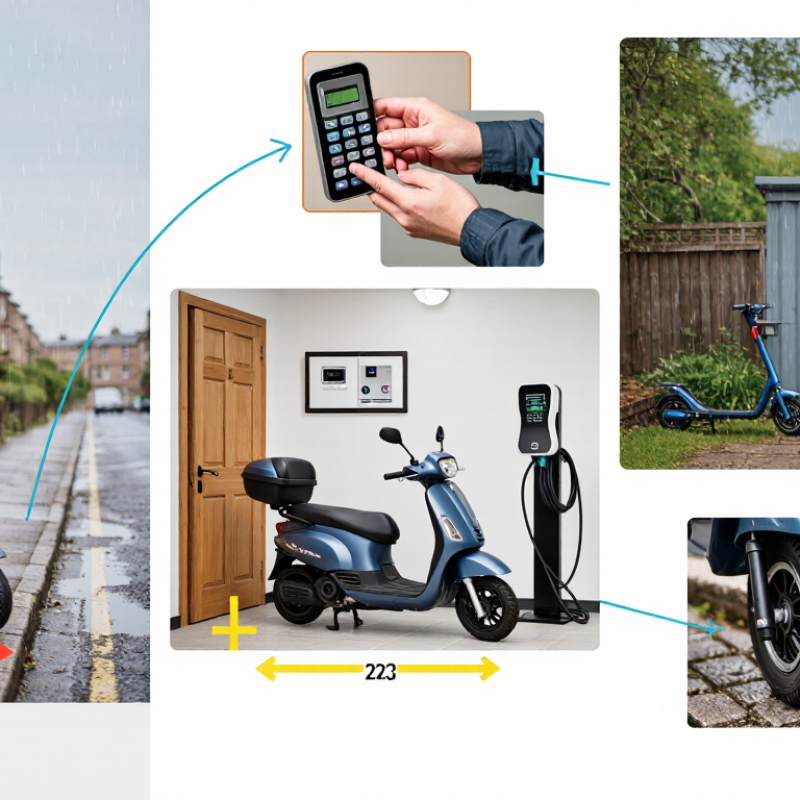
Assessing Mobility Needs and Typical Routes in Glasgow
Choosing a mobility scooter in Glasgow starts with an honest picture of daily life. Note how far you usually travel, how long you can sit comfortably, and whether you need space for shopping or a walking aid. Small details matter. Check the scooter’s turning space against your hallway, lift, and usual shop entrance. If balance, pain, or fatigue changes from day to day, discuss your needs with a qualified mobility professional or healthcare practitioner.
Map the routes you actually use, not just the distance between destinations. Glasgow streets can include slopes, uneven paving, dropped kerbs, and busy crossings. A route that looks easy on a map may feel tiring in practice. Test it locally. Notice where you need to stop, whether crossing times feel manageable, and how the scooter handles familiar surfaces. Try the route with your usual bag, too.
Think about rain, storage, and charging before choosing. Wet weather can make outdoor journeys less comfortable, while a scooter stored far from a suitable charging point may be inconvenient. Measure the space where it will be kept. One imperfect assumption is easy to make: choosing for the longest possible trip. In reality, comfort on ordinary journeys may matter more. A supervised trial on representative streets can reveal issues a specification sheet cannot.