Why Are Lithium Batteries So Important for Modern Technology?
In today’s fast-paced world, Lithium Batteries have become essential. These power sources are at the heart of countless devices. Dr. Emma Thompson, a leading expert in battery technology, emphasizes, “Lithium batteries enable innovation across multiple sectors.”
From smartphones to electric vehicles, lithium batteries provide reliable energy storage. They are lightweight and efficient, which is why they dominate the market. However, the growing demand raises concerns. What happens when these batteries reach the end of their life? Recycling processes are still developing, and the environmental impact is significant.
Additionally, lithium extraction poses challenges. Mining practices can harm ecosystems, and sustainability remains a pressing issue. While lithium batteries drive the tech revolution, we must address the hidden costs. Balancing technology’s benefits against environmental responsibility is crucial. As we look to the future, finding solutions is key.
The Role of Lithium Batteries in Modern Electronics
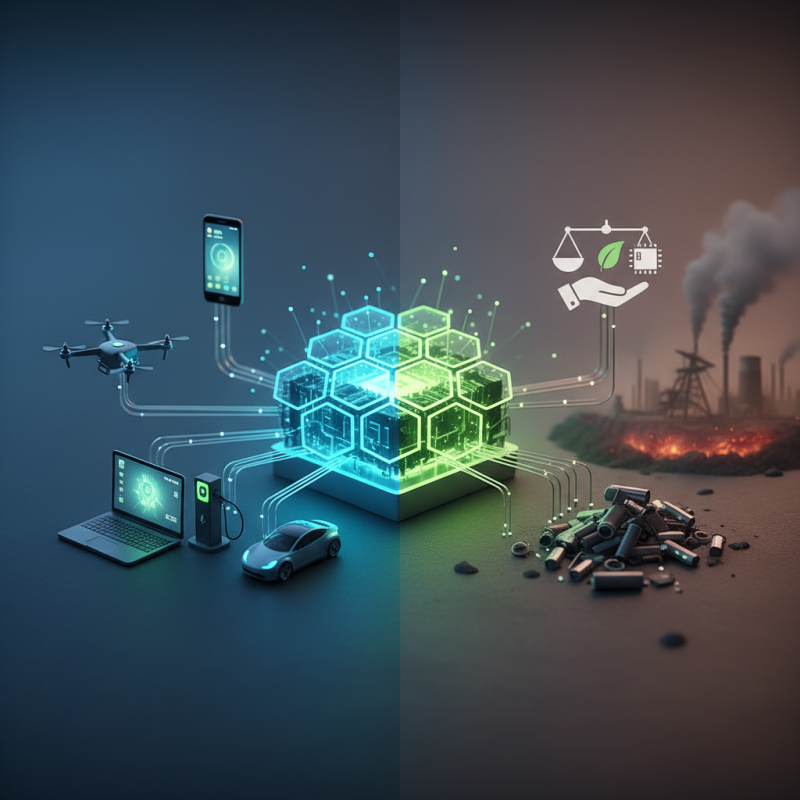
Lithium batteries are central to modern electronics, powering everything from smartphones to electric vehicles. As of 2022, the lithium-ion battery market was valued at approximately $36.8 billion, with projections suggesting it could reach $129.3 billion by 2028. This explosive growth is driven by the increasing demand for portable devices and renewable energy solutions.
In recent years, the shift toward electric vehicles highlights the crucial role lithium batteries play. They offer a higher energy density compared to traditional lead-acid batteries, enabling longer driving ranges. However, challenges persist. The mining of lithium can be environmentally damaging, raising questions about sustainability. For instance, significant water usage in extraction has led to depletion of local water resources in some regions. Furthermore, recycling rates for lithium batteries remain low, with estimates suggesting less than 5% are currently being recycled effectively.
The technology itself is not without drawbacks. Battery degradation over time can reduce performance, impacting user satisfaction. In addition, the energy transition raises concerns about dependency on lithium and cobalt supply chains, which can be unstable. As industries evolve, the focus on improving battery designs and finding alternative materials becomes essential for sustainable growth in electronics.
Key Advantages of Lithium Batteries Over Traditional Power Sources
Lithium batteries have become essential in modern technology. Their energy density is significantly higher than traditional power sources. This means they can store more energy in a smaller space. For instance, a small lithium battery can power devices like smartphones for longer periods. In contrast, traditional batteries often require more space for the same energy output.
Lithium batteries charge quickly, making them practical for daily use. Many people rely on their devices throughout the day. Quick charging gets them back to full power in less time. However, the manufacturing process of lithium batteries raises environmental concerns. There are debates about sustainability and sourcing raw materials.
The lightweight nature of lithium batteries contributes to their popularity. They reduce the overall weight of devices. This is crucial for portable technology like laptops and tablets. Yet, not all lithium batteries are created equal. Some have issues with longevity and safety. Users should pay attention to these factors when choosing their power sources.
Applications of Lithium Batteries in Consumer Electronics and Beyond
Lithium batteries are increasingly vital in today's technology landscape. They power a wide range of consumer electronics like smartphones, laptops, and tablets. According to a recent industry report, the global lithium-ion battery market is projected to reach $129 billion by 2027. This rapid growth showcases the demand for efficient energy storage.
In addition to consumer devices, lithium batteries have made significant strides in the electric vehicle (EV) sector. Studies indicate that 74% of EVs on the road utilize lithium-ion technology. This shift to electric vehicles is crucial for reducing carbon emissions and fighting climate change. Despite their advantages, lithium batteries do face challenges such as safety concerns and supply chain issues.
Tip: Always recycle lithium batteries responsibly to minimize environmental impact. Proper disposal can help conserve resources.
The renewable energy sector is also leveraging lithium batteries. They store energy from solar and wind sources for use during peak demand. However, the production process of lithium entails environmental consequences. Mining often disrupts ecosystems, and there's a pressing need to improve sustainable practices. Addressing these issues is essential for a balanced approach to battery innovation.
Environmental Impact and Recycling Challenges of Lithium Batteries
Lithium batteries play a crucial role in our daily lives. Their growing presence comes with significant environmental concerns. A major issue lies in the extraction of lithium, which can harm local ecosystems. The mining process consumes large amounts of water and disrupts wildlife habitats. This environmental footprint raises questions about sustainability.
Tips: Always consider the source of your batteries. Sustainable mining practices can help protect our planet.
Recycling is another challenge. Many lithium batteries end up in landfills. This disposal leads to potential soil and water contamination. Recycling methods are improving, but they aren't widespread yet. Companies should invest in better recycling technologies. This can minimize the environmental impact of battery waste.
Tips: Participate in local battery recycling programs. Proper disposal can make a difference.
We also need to reflect on consumer habits. The demand for electric cars and portable electronics is rising. With this growth, the pressure on lithium resources will increase. It's essential to explore alternative energy storage solutions. This could balance technology needs while protecting the earth.
The Future of Lithium Battery Technology and Innovations
Lithium battery technology is advancing rapidly. This is essential for portable electronics, renewable energy, and electric vehicles. Innovations are emerging at a fast pace. They promise better performance, longer life, and enhanced safety. Researchers are exploring new materials. Solid-state batteries could replace traditional lithium-ion versions. This change might lead to greater energy density and faster charging times.
However, challenges remain. For example, sourcing materials sustainably is crucial. The environmental impact of mining lithium needs careful management. Moreover, recycling processes must improve. There is a pressing need for efficient methods to reclaim valuable resources. New approaches can reduce waste and make battery production greener. These innovations could change how we think about battery use.
Battery technology is not without flaws. Current lithium batteries can degrade over time. Some designs are prone to overheating. Scientists are working to minimize these risks. Greater safety measures are vital for widespread adoption. As innovations unfold, the future of lithium batteries looks promising. They can play a crucial role in a sustainable energy landscape.
Why Are Lithium Batteries So Important for Modern Technology? - The Future of Lithium Battery Technology and Innovations
| Dimension | Value | Importance |
| Energy Density (Wh/kg) | 150-250 | Higher energy density allows for longer-lasting batteries in devices. |
| Cycle Life (charges) | 500-1500 | Longer cycle life translates to reduced waste and lower replacement costs. |
| Charging Time (hours) | 1-3 | Quick charging capabilities improve user convenience. |
| Temperature Range (°C) | -20 to 60 | Wide operating temperature range ensures reliability in various environments. |
| Sustainability (recycle rate %) | 90% | High recycle rate supports environmental initiatives and resource conservation. |
| Market Growth (CAGR %) | 25% | Rapid market growth signals increasing demand for electric vehicles and renewable energy storage. |