How to Source Canadian Cigarette Brands Legally?
Sourcing Canadian cigarette brands legally requires more than identifying well-known labels. The central issue is traceability, licensing, and compliance at every transaction stage. Health Canada’s Canadian Tobacco and Nicotine Survey 2022 reported that approximately 11% of Canadians aged 15 and older smoked cigarettes. That figure shows continuing demand, but it also highlights strict public-health oversight.
The legal route usually begins with an authorized manufacturer, licensed wholesaler, or approved Canadian distributor. Importers must verify customs requirements, federal excise obligations, provincial tobacco rules, and age-related sales restrictions. Packaging must meet Canadian health-warning and labeling standards. Products should also carry evidence that applicable duties were paid. A customs broker can confirm tariff classifications and documentation before shipment.
Details matter. Keep purchase invoices, supplier licenses, product photographs, lot information, and transport records together. A missing document can create serious delays. Marketplace listings are not proof of lawful supply. Neither is a familiar brand name.
The World Health Organization’s WHO Report on the Global Tobacco Epidemic 2023 emphasizes taxation, packaging controls, and retail regulation as core tobacco-control measures. These controls differ across provinces, so one national checklist may be incomplete. That is an important limitation. Regulations and excise rates can change. Therefore, businesses should verify current information with the Canada Revenue Agency, Health Canada, provincial authorities, and qualified legal or customs professionals. This article explains a careful sourcing framework, not a shortcut around regulation.
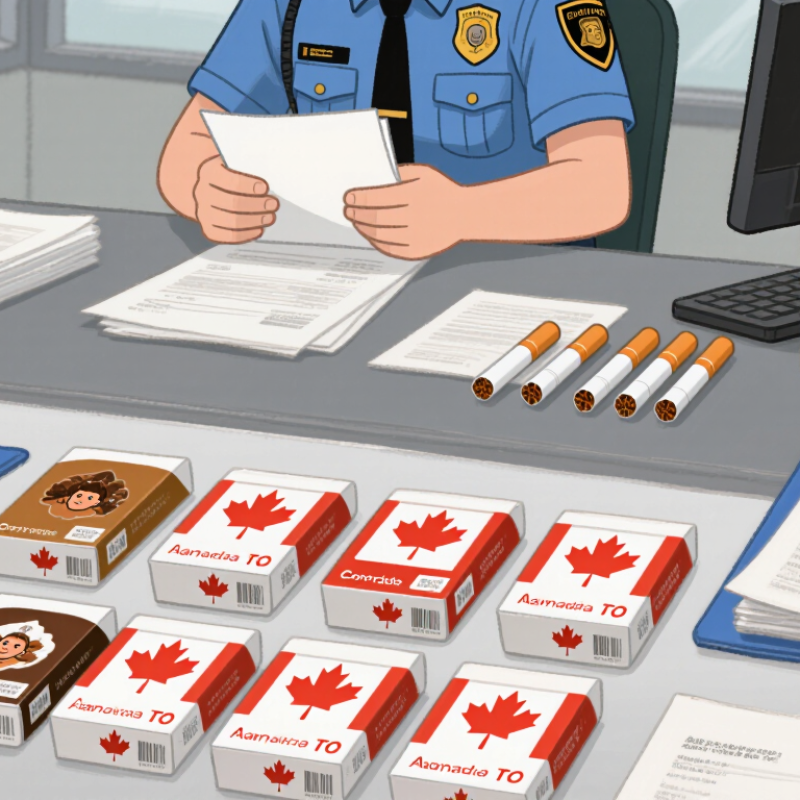
Define Legal Canadian Cigarettes Using Health Canada’s 11% Adult Smoking Rate
How to Source Canadian Cigarette Brands Legally?
Legal Canadian cigarettes should be defined by compliance, not popularity or smoking rates. Health Canada’s 2022 Canadian Tobacco and Nicotine Survey reported that about 11% of Canadian adults smoked cigarettes daily or occasionally. This figure describes consumer behaviour. It does not prove that a product is legal. That distinction matters.
A lawful source should provide products made for the Canadian market. Check the federal excise stamp, bilingual health warnings, compliant package design, and traceable commercial invoices. Canadian tobacco products must follow the Tobacco and Vaping Products Act and related excise requirements. Importers should also confirm Canada Border Services Agency rules before purchasing across borders. A licensed wholesaler is usually safer than an anonymous online seller, although “licensed” should still be verified. Paperwork can feel boring. It is evidence.
Tips: Ask for the supplier’s business registration, tobacco authorization, product photographs, lot details, and tax documentation. Compare the package with current Health Canada requirements. Do not rely on a low price, a familiar-looking pack, or a seller’s promise. Health Canada’s 11% rate helps explain market scale, but it cannot authenticate stock. I would also record delivery dates and quantities, because small documentation gaps can become expensive problems. Regulations change, and my checklist may need review before every shipment.
Calculate Federal and Provincial Duties Using CRA’s Annual Tax Tables
How to Source Canadian Cigarette Brands Legally?
Legal sourcing begins with accurate tax research, not a supplier’s attractive quotation. CRA’s annual tobacco tax tables show federal excise rates, usually calculated by cigarette quantity or tobacco weight. Confirm the table’s effective date before calculating costs. A rate change can affect inventory purchased only days apart.
For each shipment, record the number of cigarettes, package size, and taxable units. Multiply those units by the applicable federal rate. Then add the separate provincial tobacco duty for the destination province. Provincial rates may differ significantly, so check the relevant provincial finance authority. GST or HST may also apply, but it is not the same as tobacco duty. Keep these amounts in separate spreadsheet columns.
Use licensed wholesalers and request invoices showing tax treatment, product quantities, and required markings. Confirm whether the goods carry the proper federal and provincial tax indicators. Importers may also need customs documentation, permits, and age-control procedures. Requirements can change.
I have found that small data errors create large surprises. A single carton count can distort the whole calculation. Recheck units manually. Ask a qualified customs broker or tax professional to review unusual shipments. CRA guidance is authoritative, but it does not replace provincial rules or transaction-specific advice. Keep dated copies of every table, invoice, and calculation. My own early estimates were too simple. Real compliance needs patience, evidence, and a willingness to revise the spreadsheet.
How to Source Canadian Cigarette Brands Legally? - Calculate Federal and Provincial Duties Using CRA’s Annual Tax Tables
Statutory tobacco duties per 200 cigarettes, based on 2024 federal and selected provincial tax rates.
The federal excise duty shown is CAD 0.15141 per cigarette, equivalent to CAD 30.282 per 200 cigarettes. Provincial amounts are displayed separately for British Columbia, Alberta, and Ontario. Actual landed cost may also include GST/HST, customs requirements, provincial rules, and applicable licensing obligations. Always confirm the effective rate in the latest CRA and provincial tax tables before importing or selling tobacco products.
Confirm Packaging Compliance Under Canada’s Plain-Packaging Rules
How to Source Canadian Cigarette Brands Legally?
Legal sourcing starts with packaging verification, not price. Canada’s Tobacco and Vaping Products Act requires standardized tobacco packaging. Logos, promotional colors, and decorative finishes are restricted. Health warnings must cover 75% of the front and back principal display areas. Since 2024, individual cigarettes also require a printed health warning. Small errors matter.
Before accepting inventory, request clear photos of every package panel. Check the prescribed brown color, approved typeface, bilingual warnings, and Canadian excise stamp. Confirm the product comes from a licensed Canadian wholesaler. Keep invoices, lot numbers, import records, and supplier licence details together. A missing document can delay an otherwise legitimate shipment.
Health Canada’s 2022 Canadian Community Health Survey reported smoking among roughly 11% of Canadian adults. The World Health Organization’s 2023 tobacco report also identifies standardized packaging as a demand-reduction measure. These figures explain why enforcement focuses heavily on presentation. Packaging is not a cosmetic detail.
I would not rely on supplier claims alone. Compare each SKU with current federal regulations and the destination province’s retail rules. Provincial differences can affect taxes, licensing, and permitted sales channels. A compliance checklist helps, but it is not perfect. Recheck artwork after every regulatory update. When uncertainty remains, obtain written advice from a Canadian trade lawyer or licensed compliance specialist.
Document Imports, Age Controls, and Records Under CBSA and Health Canada Rules
How to Source Canadian Cigarette Brands Legally?
Legal sourcing begins with documents, not a supplier catalogue. Commercial importers should confirm their business registration, tobacco import permissions, customs account, and product eligibility before shipment. CBSA requires accurate tariff classification, valuation, origin details, and duty payment. Tobacco products may also require federal excise stamps and compliant packaging under Canada Revenue Agency rules. Keep commercial invoices, bills of lading, permits, and customs accounting records together. Paperwork matters.
Health Canada’s Tobacco and Vaping Products Act controls promotion, packaging, health warnings, and distribution practices. Federal tobacco sales are restricted to adults aged 18 or older, while several provinces set a higher minimum age. Every retail or wholesale transaction should include a documented age-control procedure. Staff training, identification checks, refusal logs, and delivery controls create evidence during an inspection. Keep it current. Provincial rules can differ, and that is where careless assumptions fail.
Records should show supplier identity, shipment quantities, lot information, taxes, returns, and final business customers. Retain them for the periods required by CBSA, CRA, and provincial authorities, preferably in a searchable system with restricted access. Health Canada’s 2022 Canadian Tobacco and Nicotine Survey reported that about 11% of adults were current smokers, showing why regulatory scrutiny remains substantial. The World Health Organization’s 2023 tobacco report also identifies taxation, packaging, and age restrictions as core control measures. A spreadsheet alone is not enough. Review it against official guidance before each import cycle.