What is a LPG Storage Tank and How Does It Work?
LPG Storage Tanks play a crucial role in the energy sector. These tanks safely store liquefied petroleum gas, essential for heating, cooking, and industrial processes. According to the Global Gas Report 2022, LPG consumption continues to rise, with an annual growth rate of 3.5%. This trend showcases the importance of efficient storage solutions.
The design of LPG Storage Tanks ensures safety and reliability. They must withstand high pressure and fluctuating temperatures. The materials used, such as carbon steel, enhance durability. However, the risk of leaks and failures remains a concern. Regular inspections and maintenance are vital to prevent incidents.
Understanding how LPG Storage Tanks work is essential for industries and consumers alike. These tanks use a pressurization system to keep gas in liquid form. The transition from liquid to gas occurs through a heating process. This process is not without challenges. Ensuring compliance with safety standards is complex and often requires additional training. Awareness and education are key to improving safety protocols in LPG storage.
What is an LPG Storage Tank?
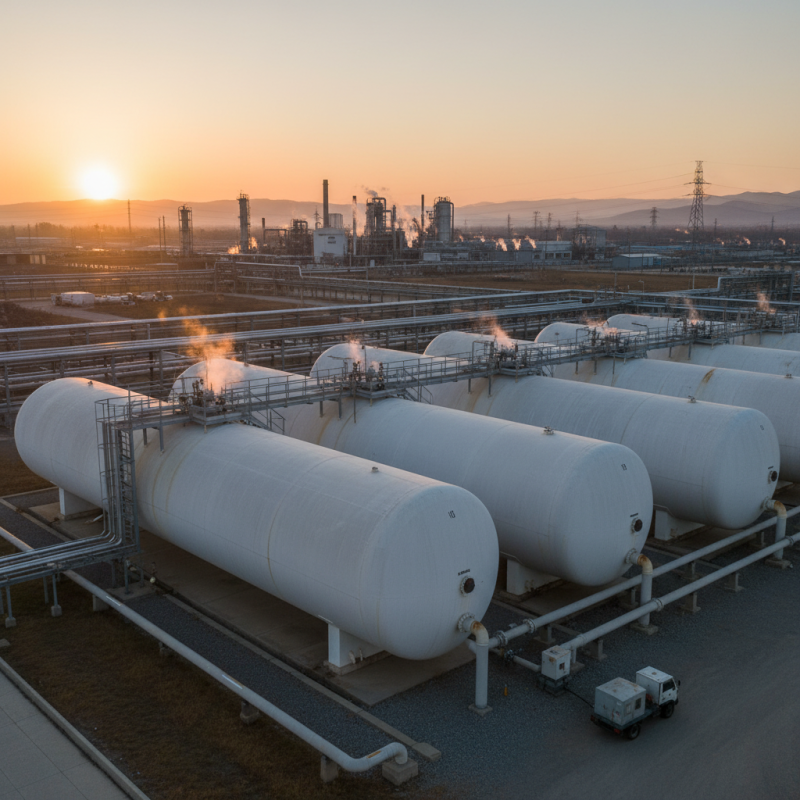
An LPG (liquefied petroleum gas) storage tank is essential in many industries. These tanks store propane and butane, offering a safe way to manage these gases. They can be above-ground or underground, depending on the application. According to industry reports, the global LPG storage tank market size was valued at approximately $2 billion in 2020 and is expected to grow steadily.
LPG tanks operate by maintaining pressure to keep the gas in liquid form. The gas vaporizes when the pressure decreases upon release. This process ensures a steady supply of fuel for heating, cooking, and power generation. Safety is paramount, and tanks must comply with strict regulations. Regular inspections are significant to prevent leaks and ensure safe operation.
Tips: Always check for leaks near fittings and valves. Inspect tanks regularly to ensure they meet safety standards. Keep your tanks clear from debris to prevent deterioration. It’s worth noting that mishandling can lead to serious accidents. Remember, a small oversight can have severe consequences.
Construction and Design Features of LPG Storage Tanks
LPG storage tanks are designed for safe containment of liquefied petroleum gas. These tanks come in various sizes and shapes. Their design is crucial for ensuring safety and efficiency. Typically, they are constructed with robust materials like carbon steel, which provides durability and resistance to pressure. Additionally, the walls are often insulated to minimize heat loss.
The tank's shape often resembles a cylinder. This design helps evenly distribute pressure. Outfitting with safety valves is common. These valves prevent overpressure situations. Furthermore, many tanks include a monitoring system that alerts operators to any irregularities in pressure levels. These features contribute to both safety and operational efficiency, but they aren't foolproof.
One area for reflection is the need for regular maintenance. While tanks are built to last, neglect can lead to issues. Corrosion and leaks can develop if not monitored. Relying solely on technology is tempting, but human oversight is essential. Continuous training for operators is necessary for safe handling. Balancing technology with human expertise is key.
How LPG Storage Tanks Function and Operate
LPG storage tanks are essential for safely holding liquefied petroleum gas. These tanks come in various sizes and shapes. Typically, they can be found above or below ground. The design ensures pressure regulation, maintaining safety while storing gas.
Inside an LPG storage tank, the gas is maintained in liquid form under pressure. This process involves converting the gas back to its gaseous state when needed. Key components include valves, gauges, and safety relief devices. These elements are crucial for proper functioning. When pressure builds too high, the safety relief device releases gas, preventing accidents.
Operating an LPG storage tank also requires regular inspections. Corrosion, leaks, and other issues can occur if maintenance is neglected. Regular checks help to ensure safety and proper functionality. However, the processes can sometimes be overlooked. These oversights may lead to potential hazards. Proper training and awareness are vital.
Safety Measures and Regulations for LPG Storage
LPG storage tanks are essential for safely holding liquefied petroleum gas. The safety measures and regulations that govern these tanks are critical. In the United States, the National Fire Protection Association (NFPA) provides guidelines. They establish safety standards for the installation and maintenance of LPG tanks. According to NFPA 58, proper distances must be maintained between tanks and other structures to reduce risks.
Regular inspections are necessary for safe operation. Tanks should be checked for leaks and corrosion. The report by the American Petroleum Institute indicates that over 1,000 incidents related to LPG occur annually. Many of these incidents could have been avoided with stronger adherence to safety protocols. Employees must be trained in emergency response strategies. Proper training can mitigate risks associated with leaks or explosions.
Regulations also require that LPG tanks be equipped with safety valves. These valves release pressure to prevent over-pressurization. However, some facilities still overlook this. Each facility must document safety procedures and incident reports. This practice helps improve safety culture. The reliance on outdated practices remains a challenge in many locations. Continuous improvement is necessary to enhance safety standards in LPG storage.
Common Applications of LPG Storage Tanks in Various Industries
LPG storage tanks play a vital role across various industries, serving as a safe solution for handling liquefied petroleum gas. The use of LPG is prevalent in sectors like agriculture, hospitality, and transportation. According to the Global LPG Market report, the LPG sector is projected to reach a value of $232 billion by 2026, highlighting its importance in industrial applications.
In agriculture, LPG is commonly used for heating greenhouses and as a fuel source for machinery. It offers an efficient alternative to electricity, particularly in remote areas. A study by the Food and Agriculture Organization indicates that about 26% of farmers prefer LPG for its economic advantages. However, the transition to LPG can encounter obstacles, such as the need for proper storage solutions and infrastructure.
Similarly, in the hospitality industry, LPG is essential for cooking and heating. Hotels and restaurants rely on it for efficiency. The ability to store large volumes safely makes LPG storage tanks crucial. A survey from the International Energy Agency found that over 40% of hospitality businesses utilize LPG to maintain their services. Yet, there are challenges in managing storage capacity and ensuring compliance with safety regulations in various locations. These challenges require ongoing attention and improvement strategies.
What is a LPG Storage Tank and How Does It Work? - Common Applications of LPG Storage Tanks in Various Industries
| Industry | Common Applications | Tank Size (Liters) | Usage Frequency |
| Residential | Heating, Cooking | 500 - 2000 | Daily |
| Commercial | Cooking, Water Heating | 1000 - 5000 | Weekly |
| Industrial | Manufacturing Processes | 5000 - 25000 | Monthly |
| Agriculture | Heating, Crop Drying | 1500 - 10000 | Seasonal |
| Transportation | Fuel for Vehicles | 1000 - 30000 | Varies |