What is a medical air purifier and how does it work?
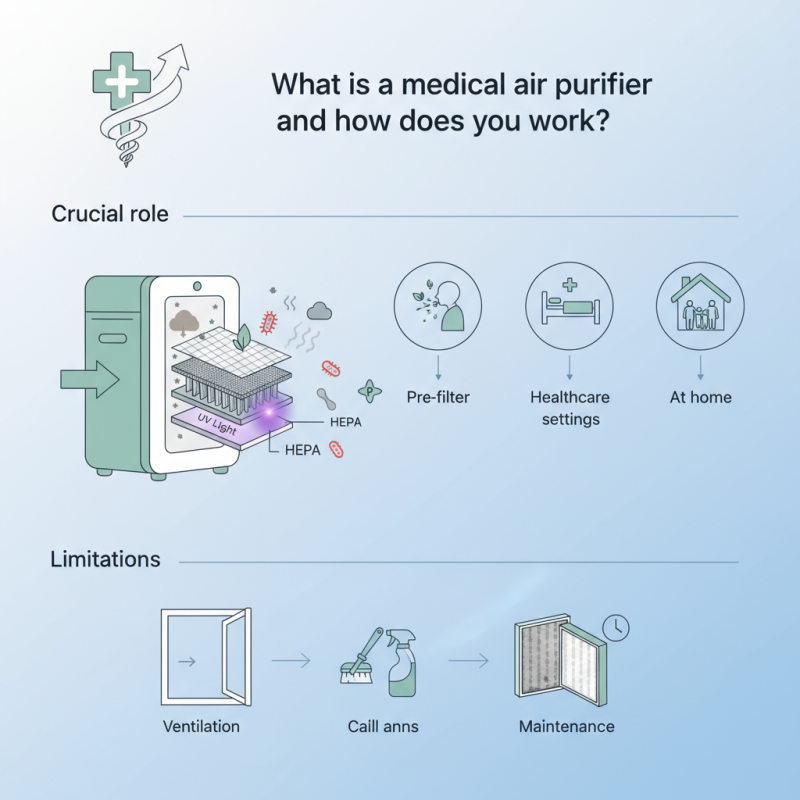
A medical air purifier is a specialized device designed to improve indoor air quality. It plays a crucial role in healthcare settings and at home. These purifiers target harmful particles, allergens, and pathogens, promoting healthier breathing environments.
Understanding how a medical air purifier works is essential. Most units use advanced filtration systems. They capture tiny particles, including dust, smoke, and bacteria. Many are equipped with HEPA filters, which can trap 99.97% of particles. Additionally, some models use UV light to kill germs.
However, it is important to acknowledge limitations. Some air purifiers may not eliminate all contaminants. They work best when combined with proper ventilation and cleaning habits. Users must also consider maintenance, as filters need regular replacement. By knowing these aspects, individuals can choose the right medical air purifier for their needs.
What is a Medical Air Purifier?
A medical air purifier is designed to enhance indoor air quality, particularly in healthcare settings. It utilizes advanced filtration systems to remove airborne particles, including bacteria, viruses, allergens, and other pollutants. According to a report by the American Society of Heating, Refrigerating and Air-Conditioning Engineers (ASHRAE), high-efficiency particulate air (HEPA) filters can capture at least 99.97% of particles that are 0.3 microns in size.
These devices typically operate using multiple filtration stages. The pre-filter captures larger particles. The HEPA filter then deals with smaller pathogens and allergens. Some units may also include activated carbon filters, which remove odors and harmful gases. The result is cleaner air, which is critical for patients and staff alike.
Tips: Regular maintenance is crucial. Replace filters as recommended by the manufacturer. Check air quality regularly to ensure effective performance.
Medical air purifiers are beneficial, yet they are not without limitations. They may not eliminate all types of pollutants, and their effectiveness can vary based on room size and air circulation. Investing in a medical air purifier should be part of a broader strategy to ensure healthy indoor air.
Key Features of Medical Air Purifiers
Medical air purifiers serve a critical role in enhancing indoor air quality. They are designed to remove harmful particles, allergens, and pathogens from the air. This makes them essential in settings like hospitals, clinics, and even homes.
Key features of medical air purifiers include HEPA filters. These filters can capture particles as small as 0.3 microns with an efficiency of 99.97%. This high level of filtration is crucial for reducing allergens and pollutants. Additionally, many models use activated carbon filters to remove odors and volatile organic compounds (VOCs). Some also incorporate UV-C light technology to kill bacteria and viruses.
Tips: Regular maintenance is vital for optimal performance. Change filters timely and ensure ducts are clean. Monitor air quality in your space. If you notice changes, it could indicate your purifier's effectiveness is diminishing.
User-friendly interfaces are another feature common in these devices. Some come with air quality indicators or smart technology that allows remote monitoring. Yet, not all purifiers are created equal. Look for certifications that validate efficiency claims.
Choosing a reliable product requires research and awareness of your specific needs.
How Do Medical Air Purifiers Work?
Medical air purifiers play an essential role in improving indoor air quality. They are designed to remove harmful particles from the air, ensuring a cleaner environment for patients and healthcare workers. These devices often use advanced filtration systems, such as HEPA filters, which capture small particles effectively. The filters can trap allergens, dust, and even some bacteria.
Though effective, medical air purifiers have limitations. They do not eliminate gases or odors efficiently. Additionally, the performance can decrease over time due to filter saturation. Users must regularly replace filters to maintain optimal function, which can be overlooked.
The technology behind these purifiers is fascinating. Many units also incorporate UV light to help disinfect the air. This adds another layer of protection, but the effectiveness may vary based on exposure time. Users should reflect on their specific needs and environments. Not every space may require a medical-grade purifier, and sometimes simple ventilation is overlooked.
Effectiveness of Medical Air Purifiers
Benefits of Using Medical Air Purifiers
Medical air purifiers are designed to improve indoor air quality in healthcare environments. They target harmful particles like bacteria, viruses, and allergens. This helps create a safer space for patients, especially those with compromised immune systems. The air purifiers utilize advanced filtration technologies, with HEPA filters and UV light as common components. They capture and neutralize contaminants, ensuring cleaner air.
Using medical air purifiers has several benefits. They reduce the risk of airborne illnesses, which is vital in hospitals or clinics where infection control is a priority. Cleaner air can enhance patient comfort, which is often overlooked. Improved air quality can lead to better overall health outcomes. It's important to remember, though, that air purifiers are not a cure-all. Regular cleaning and maintenance of the space remain crucial.
There are challenges to consider. Not all air purifiers are equally effective. Choosing the right model requires research. Additionally, some people may have concerns about noise or energy consumption. These factors impact their overall experience and satisfaction. Addressing these issues thoughtfully can lead to more informed decisions.
Comparison with Regular Air Purifiers
Medical air purifiers are designed for healthcare environments. They serve a critical role in improving air quality. Unlike regular air purifiers, they eliminate harmful microorganisms like bacteria and viruses. Regular purifiers mainly remove dust and allergens. Data shows that medical-grade filters can capture particles as small as 0.1 microns with over 99% efficiency.
Studies suggest that indoor air can be 2 to 5 times more polluted than outdoor air. Hospitals prioritize air quality, as poor air can lead to increased infection rates. A recent report indicated that using medical air purifiers can reduce airborne pathogens significantly. Regular models lack the filtration power needed for such environments.
**Tips:** Consider the specific needs of your space. Look for HEPA filters that meet medical standards. Regular maintenance is crucial to ensure efficiency. A clean filter is an effective filter. Investing in a medical air purifier can improve health outcomes, especially in sensitive areas. Quality air should never be an afterthought.
Comparison of Medical Air Purifiers and Regular Air Purifiers
| Feature | Medical Air Purifiers | Regular Air Purifiers |
| Filtration System | HEPA, advanced filters, and UV light | HEPA or activated carbon filters |
| Purpose | Used in medical settings to reduce pathogens | Improves general air quality |
| Certifications | Medical-grade certifications | General certification for home use |
| Noise Level | Typically quieter for hospital settings | Varies widely, often louder |
| Price Range | Higher due to advanced technology | Lower, budget-friendly options available |
| Maintenance | Regular filter changes and servicing | Generally easy maintenance |