10 Anti-Mosquito Spray Buying Tips for Importers
Mosquito risk gives importers a practical reason to evaluate repellent products carefully. The World Health Organization’s World Malaria Report 2024 estimated 263 million malaria cases and 597,000 deaths worldwide in 2023. WHO also reported more than 14.6 million dengue cases in 2024, a record at the time. These figures show why reliable bite protection matters, though no spray can prevent every bite or infection.
For buyers, an Anti-Mosquito Spray is more than a label and a fragrance. Check the active ingredient and concentration, intended users, application directions, packaging integrity, and evidence supporting product claims. The U.S. Environmental Protection Agency advises consumers to choose registered repellents and follow label directions; importers should verify the rules in each intended market. Small details count. A leaking nozzle can ruin a carton. Unclear directions can undermine consumer confidence.
Medical entomologist Dr. Mustapha Debboun is often credited with this practical reminder: “The best repellent is the one you will use.” Importers should treat that as a useful buying principle, not a substitute for efficacy evidence. Review supplier documentation, product stability, batch consistency, and customer-use conditions before placing a large order. A sample may perform well in a showroom, yet disappoint in humid storage or daily use. That deserves a second look. These ten buying tips help importers ask sharper questions and make more dependable sourcing decisions.
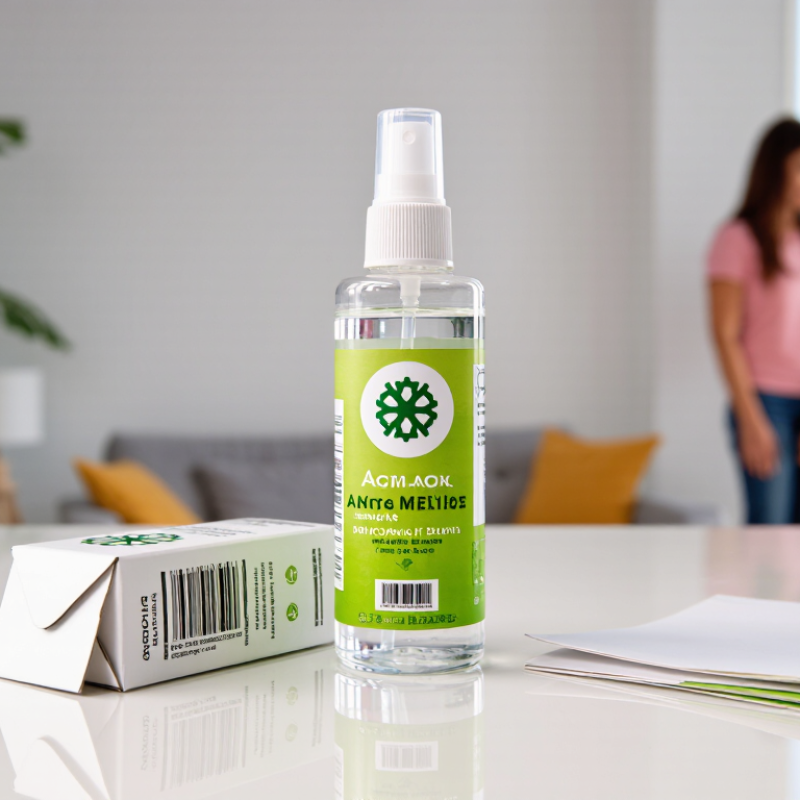
Define Import Requirements and Target Markets
Before requesting quotations, define the exact product you plan to import. Record its active ingredients, concentration, spray format, container size, and intended use. Small details matter. A pump spray and an aerosol may face different shipping, storage, and documentation requirements. Ask a qualified customs broker or the destination market’s relevant authority to confirm product classification, registration needs, label language, and required safety documents. Do not rely on a supplier’s general claim that a product is “export ready.” Requirements can change between countries, and packaging claims may need separate review.
Then identify the buyers and conditions the product must serve. A humid coastal area with a long mosquito season may need different pack sizes than a city where shoppers prefer compact bottles for short trips. Check local retail prices, common shelf formats, climate, seasonal demand, and whether buyers shop in pharmacies, supermarkets, or online. Speak with distributors and review competing products in person when possible. A simple sample test can reveal practical issues, such as a cap that leaks in a warm warehouse or a label that is hard to read. Your forecast may still be imperfect. Note what is uncertain, then verify demand before placing a large order.