Why Choose PC200-7 or PC300-8 Excavators?
Choosing between a PC200-7 and a PC300-8 should begin with the work, not the badge.
Construction equipment consultant Mark Ellison says, “The right excavator is the one that matches production needs without wasting capacity.” This practical view matters when comparing the PC200-7/PC300-8 on real job sites. A PC200-7 can suit drainage, foundation, and general earthmoving projects. Its operating size often fits tighter working areas. The PC300-8 offers greater digging reach, stronger lifting capacity, and higher production potential. It becomes more valuable on deep excavations, quarry work, and large-scale road construction.
Look closely at the machine, not only its model number. Check hydraulic smoothness during a slow bucket curl. Listen for abnormal pump noise. Inspect the boom foot, swing bearing, track rollers, and cylinder seals. A clean service history may reveal more than a fresh coat of paint. Operator comfort also affects daily output. Clear controls and predictable response can reduce fatigue during long shifts.
Neither excavator is automatically the better choice. That depends on material density, truck distance, fuel cost, and available attachments. This point is easy to overlook. A larger excavator may produce more per hour, yet lose efficiency on a cramped site. The smaller model may consume less fuel, but struggle with oversized loads. My own assessment would remain cautious without inspecting hours, maintenance records, and hydraulic performance. Used equipment can hide expensive weaknesses. A careful trial is essential before purchase.
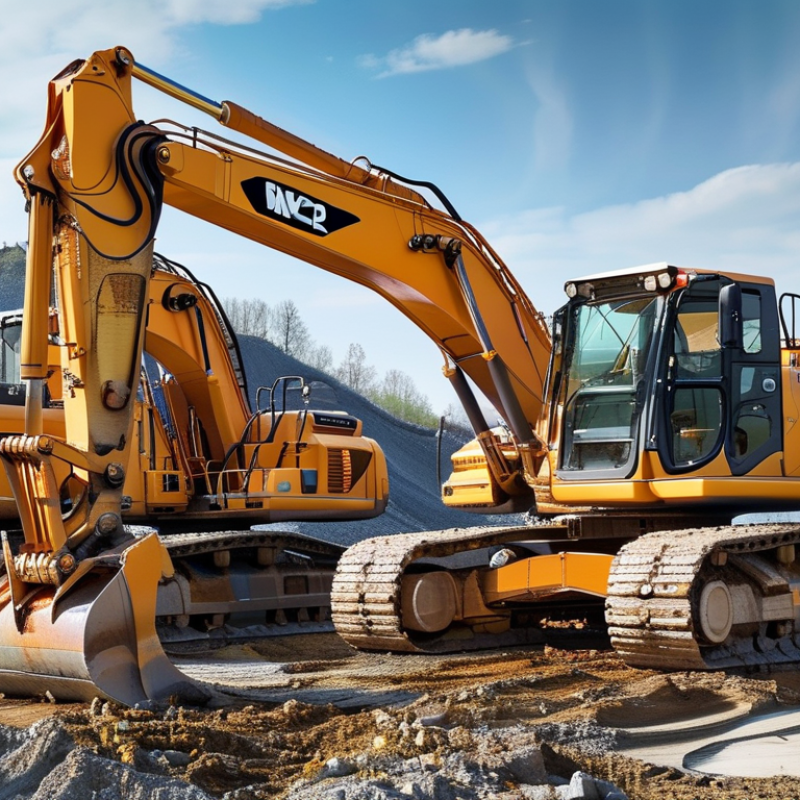
PC200-7 and PC300-8: Model Overview and Core Specifications
The PC200-7 and PC300-8 are crawler excavators designed for different work scales. The PC200-7 typically weighs about 19,000 to 21,000 kilograms. Its engine output is near 110 kW, with buckets commonly around 0.8 to 1.0 cubic meters. A maximum digging depth of roughly 6.5 meters suits foundations, drainage, and general earthmoving.
The PC300-8 is considerably larger. Its operating weight often reaches 30,000 kilograms, while engine power is close to 180 kW. Bucket capacity commonly ranges from 1.2 to 1.6 cubic meters. It can deliver greater breakout force and production on deep excavation or quarry projects. However, transport costs, ground pressure, and fuel use also increase. Specifications vary with boom length, counterweight, and regional configuration. Field checks matter. The first estimate is not always right.
Tips: Match the excavator to the soil, haul distance, and required digging depth. Measure access width before delivery. Check hydraulic response, undercarriage wear, and maintenance records during inspection. A smaller machine may work better on restricted sites. Bigger is not always better. Allow extra capacity for hard ground, but avoid paying for unused performance. Logging cycle times for one shift can reveal more than a brochure.